

Unlock the Power of the Best Zero-Sequence Transformer: Key Insights and Benefits
2026-01-08
Ever wondered how a zero-sequence transformer can revolutionize your electrical systems? In 'Unlock the Power of the Best Zero-Sequence Transformer: Key Insights and Benefits,' we dive deep into the critical role these components play in enhancing safety, efficiency, and performance. At Lugao, we're not just engineering transformers; we're pioneering solutions that address real-world challenges. This blog will uncover the hidden advantages, debunk common myths, and highlight how cutting-edge technology can transform your operations. Stay tuned to discover why selecting the right transformer matters more than you think.
Understanding Zero-Sequence Transformers
Zero-sequence transformers, often overshadowed by their more common counterparts in three-phase power systems, play a surprisingly critical role in handling unbalanced fault currents. At their core, these specialized transformers are designed to detect and manage residual currents that occur when the vector sum of the three phases isn't zero—a telltale sign of ground faults or imbalances. By isolating these zero-sequence components, they help protect sensitive equipment and ensure grid stability, making them indispensable in applications ranging from industrial plants to renewable energy installations where fault detection is paramount.
What sets zero-sequence transformers apart is their unique winding configuration, typically arranged to respond only to the algebraic sum of the phase currents, ignoring the balanced load currents. This selective sensitivity allows them to trigger protective relays or alarms precisely when needed, without false positives from normal operational variations. Unlike standard transformers that might misinterpret load fluctuations, these devices excel at distinguishing between benign system noise and genuine fault conditions, a nuance that can drastically reduce downtime and maintenance costs in complex electrical networks.
In modern power systems, the importance of zero-sequence transformers is only growing, especially with the rise of distributed generation and microgrids that introduce new challenges in fault management. Innovations in their design, such as improved core materials and compact form factors, are enabling more efficient integration into smart grids. By providing a targeted solution for ground fault protection, these transformers not only enhance safety but also contribute to the overall resilience of electrical infrastructure, proving that sometimes the most specialized tools are the ones that quietly keep everything running smoothly.
How Zero-Sequence Transformers Enhance Power Quality
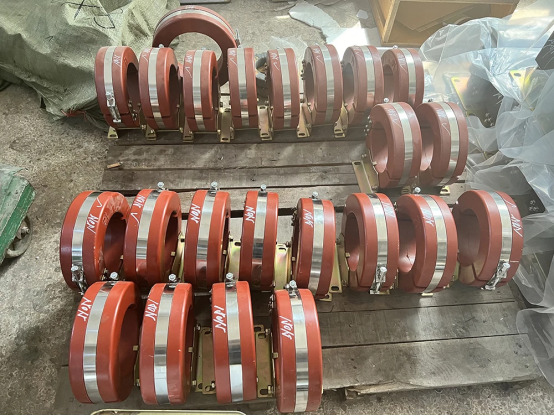
Zero-sequence transformers play a crucial role in modern power systems by effectively mitigating issues like ground faults and unbalanced loads. These devices operate on the principle of detecting and handling zero-sequence currents, which are often the culprits behind voltage sags and harmonic distortions. By isolating and redirecting these problematic currents, they help maintain a steady voltage profile and reduce electrical noise, ultimately leading to more reliable and stable power delivery. This not only safeguards sensitive equipment from damage but also minimizes disruptions in industrial and residential settings, highlighting their importance in contemporary grid management.
Beyond basic fault protection, zero-sequence transformers contribute to enhanced power quality through their ability to neutralize ground loop currents. In environments with complex wiring or multiple grounding points, these currents can introduce electromagnetic interference and degrade signal integrity. By creating a balanced path for zero-sequence components, these transformers effectively suppress such interference, resulting in cleaner power waveforms and improved performance for electronic devices. This feature is particularly valuable in settings like data centers and hospitals, where even minor fluctuations can have significant consequences, making zero-sequence transformers a key asset for ensuring uninterrupted operations.
Moreover, the integration of zero-sequence transformers supports overall system efficiency by reducing energy losses associated with unbalanced conditions. When phases become uneven, it leads to increased heating in conductors and transformers, lowering their lifespan and escalating maintenance costs. By correcting these imbalances, zero-sequence transformers foster a more symmetric load distribution, which enhances thermal management and extends equipment durability. This proactive approach not only cuts down on unexpected outages but also aligns with sustainability goals by minimizing wasted energy, demonstrating how these components are pivotal for both economic and environmental benefits in power networks.
Applications in Modern Electrical Networks
Smart grids represent a transformative leap in how we manage energy flow, integrating digital communication and automation to monitor and control power distribution in real time. This technology allows utilities to balance supply and demand more efficiently, reducing outages and accommodating the influx of renewable sources like solar and wind. By enabling consumers to track their energy usage and participate in demand-response programs, modern electrical networks are becoming more resilient and sustainable, paving the way for a cleaner future.
Electric vehicles are reshaping urban infrastructure with their rapid adoption, placing new demands on electrical grids. Fast-charging stations require substantial power capacity, prompting upgrades in substations and distribution lines to handle peak loads. To mitigate strain, some networks employ smart charging solutions that optimize charging times based on grid conditions and user preferences. This integration not only supports environmental goals by reducing emissions but also drives innovation in energy storage and grid management, ensuring that our power systems can evolve with the growing fleet of EVs.
Microgrids offer a decentralized approach to energy supply, operating independently or in tandem with the main grid to enhance reliability and resilience. Commonly used in remote communities, campuses, or critical facilities, they can incorporate local generation sources like solar panels or wind turbines, reducing transmission losses and increasing energy independence. In the event of grid failures, microgrids can island themselves to maintain power for essential services, demonstrating how modern applications are making electrical networks more adaptive and secure in the face of challenges like extreme weather or cyber threats.
Key Features and Design Considerations
When exploring the key features, it's essential to focus on what truly sets a product apart. For instance, consider how intuitive user interfaces can transform complex tasks into seamless experiences, or how robust materials ensure longevity in demanding environments. These elements aren't just add-ons; they form the core of a design that anticipates user needs, making daily interactions more efficient and enjoyable.
Design considerations often revolve around balancing aesthetics with functionality. A sleek exterior might catch the eye, but it's the underlying ergonomics and accessibility that keep users engaged over time. By prioritizing thoughtful layouts and customizable options, designers can create solutions that adapt to diverse preferences, avoiding a one-size-fits-all approach that can limit appeal.
In practice, successful implementation hinges on iterative testing and feedback loops, ensuring that features evolve based on real-world usage rather than assumptions. This approach not only refines the product but also builds trust, as users see their input valued in tangible improvements. Ultimately, focusing on these nuanced aspects helps craft offerings that stand out in a crowded market by delivering genuine value and user satisfaction.
Benefits for Industrial and Commercial Systems
Industrial and commercial systems bring distinct advantages by streamlining operations and boosting productivity. They often integrate seamlessly with existing workflows, reducing downtime and minimizing disruptions. This allows businesses to adapt quickly to changing market demands without overhauling their entire infrastructure.
Another key benefit is enhanced data management and analytics capabilities. These systems can process vast amounts of information in real-time, providing actionable insights that help optimize resource allocation and predict maintenance needs. By leveraging this data, companies can make informed decisions that drive efficiency and cut unnecessary costs.
Moreover, such systems improve safety and compliance standards across various industries. Automated monitoring and control features help mitigate risks and ensure adherence to regulatory requirements, fostering a secure environment for both employees and assets. This proactive approach not only protects investments but also builds trust with stakeholders.
Implementation Tips and Best Practices
Getting started with a solid foundation can make all the difference. Begin by thoroughly understanding your project's goals and constraints, which helps tailor the approach rather than following generic steps. Use tools that integrate seamlessly with your existing workflow, and don't shy away from experimenting with prototypes early on—this often uncovers hidden challenges and sparks creative solutions.
Collaboration is key; involve team members from different departments to gather diverse perspectives and ensure the implementation aligns with overall objectives. Regularly review progress through short, focused meetings, and adapt plans based on real-world feedback. This iterative process not only keeps things on track but also fosters a culture of continuous improvement and adaptability.
Lastly, prioritize documentation that's clear and accessible, avoiding jargon to make it useful for everyone involved. Test rigorously in varied environments to catch issues before deployment, and allocate resources for maintenance and updates to sustain long-term success. By balancing structure with flexibility, you can navigate complexities more effectively and deliver results that stand out.
FAQ
Zero-sequence transformers play a key role in detecting and mitigating ground faults and unbalances, which are critical for protecting equipment and ensuring safety in systems like power grids and industrial setups. They help identify issues that might otherwise go unnoticed, preventing costly downtime and hazards.
Unlike standard transformers that handle balanced three-phase currents, zero-sequence transformers specifically detect the residual or unbalanced current flowing in the neutral or ground path. This allows them to focus on fault conditions like ground faults, providing targeted protection that general transformers might miss.
In a manufacturing plant with sensitive machinery, a ground fault could cause equipment damage or fire risks. A zero-sequence transformer quickly identifies such faults by monitoring neutral currents, enabling rapid shutdowns or alerts to prevent accidents and maintain operational continuity.
Top-tier zero-sequence transformers offer enhanced accuracy in fault detection, reduced false alarms, and durability under harsh conditions. They improve system reliability by ensuring precise monitoring, which translates to lower maintenance costs and better compliance with safety standards.
By implementing these transformers, utilities can better manage load imbalances and fault currents across networks. This leads to improved grid stability, reduced energy losses, and quicker response times during outages, ultimately boosting efficiency and customer satisfaction.
Recent developments include smart sensors for real-time data analytics, compact designs for space-constrained installations, and materials that enhance thermal performance. These innovations make them more adaptable and effective in diverse applications, from renewable energy systems to urban infrastructure.
Industries face increasing risks from electrical faults due to complex systems and regulations. Zero-sequence transformers provide a proactive safety layer by detecting subtle faults early, helping to avoid catastrophic failures, ensure worker safety, and meet stringent compliance requirements.
Conclusion
Exploring the best zero-sequence transformers reveals their critical role in modern electrical systems. These devices excel at detecting and managing zero-sequence currents, which are often responsible for imbalances and faults in three-phase systems. By delving into their operation and design, engineers can better appreciate how they enhance power quality by mitigating harmonics, reducing ground faults, and ensuring stable voltage levels. This understanding is essential for applications ranging from industrial plants to commercial buildings, where reliable power is paramount.
Key features like compact designs and high efficiency make zero-sequence transformers adaptable to diverse network setups, while their benefits extend to improved safety and reduced downtime. Implementation best practices, such as proper installation and regular maintenance, ensure optimal performance. Overall, leveraging these transformers unlocks significant advantages, including enhanced system resilience and cost savings, making them a cornerstone for robust and high-quality power delivery in today's electrical grids.
Contact Us
Contact Person: Doreen
Email: [email protected]
Tel/WhatsApp: 8618057712366
Website: https://www.liugaopower.com/