

TWEEN Polyoxyethylene Sorbitan Fatty Acid Ester: A Comprehensive Guide to its Applications and Benefits
2026-03-11
Have you ever wondered what makes everyday products like ice cream creamy, cosmetics smooth, and pharmaceutical formulations stable? The answer often lies in a remarkable class of ingredients known as TWEEN polyoxyethylene sorbitan fatty acid esters—versatile surfactants that are quietly revolutionizing multiple industries. In this comprehensive guide, we'll dive deep into the science, applications, and surprising benefits of TWEEN esters, from enhancing drug delivery systems to improving the texture of your favorite foods. At POLYKEM, we specialize in advanced chemical solutions that harness the power of these multifunctional compounds to drive innovation and efficiency. Get ready to uncover how these unsung heroes are shaping modern manufacturing and why they matter more than you might think. Let's explore!
Unlocking the Versatility of TWEEN Polyoxyethylene Sorbitan Fatty Acid Ester
TWEEN polyoxyethylene sorbitan fatty acid esters are a family of non-ionic surfactants that have quietly revolutionized diverse industries, from pharmaceuticals to food processing and cosmetics. Their adaptability stems from a unique molecular structure, which combines hydrophilic polyethylene glycol chains with lipophilic sorbitan and fatty acid groups. This dual nature allows TWEEN compounds to bridge oil and water, facilitating emulsification, solubilization, and stabilization in countless formulations. Whether you're developing a new medication requiring enhanced drug delivery or crafting a creamy salad dressing, TWEEN esters offer a reliable and versatile solution that quietly underpins everyday products.
Beyond mere emulsification, TWEEN polyoxyethylene sorbitan fatty acid esters exhibit remarkable functional versatility that sets them apart from other surfactants. For instance, in the pharmaceutical sector, TWEEN 80 is prized for its role in stabilizing injectable solutions and improving the bioavailability of poorly soluble drugs, making it a go-to choice for modern therapeutics. Similarly, in cosmetic applications, TWEEN compounds act as mild yet effective emulsifiers, ensuring that lotions and creams maintain their smooth texture without irritating the skin. Their ability to adapt to varying pH levels and temperatures further enhances their utility, allowing formulators to tweak recipes for optimal performance without compromising safety or efficacy.
The ongoing innovation in TWEEN polyoxyethylene sorbitan fatty acid esters is unlocking new possibilities in emerging fields, such as nanotechnology and green chemistry. Researchers are now exploring their use in the synthesis of nanoparticles for targeted drug delivery and environmental remediation, leveraging their biocompatibility and surface-active properties. Moreover, as industries shift toward sustainable practices, TWEEN esters are being derived from renewable sources, offering eco-friendly alternatives that align with global environmental goals. This continuous evolution demonstrates how these humble compounds are not just workhorses of the past but dynamic tools driving future advancements across scientific and industrial landscapes.
Essential Roles in Pharmaceutical Formulations and Drug Delivery
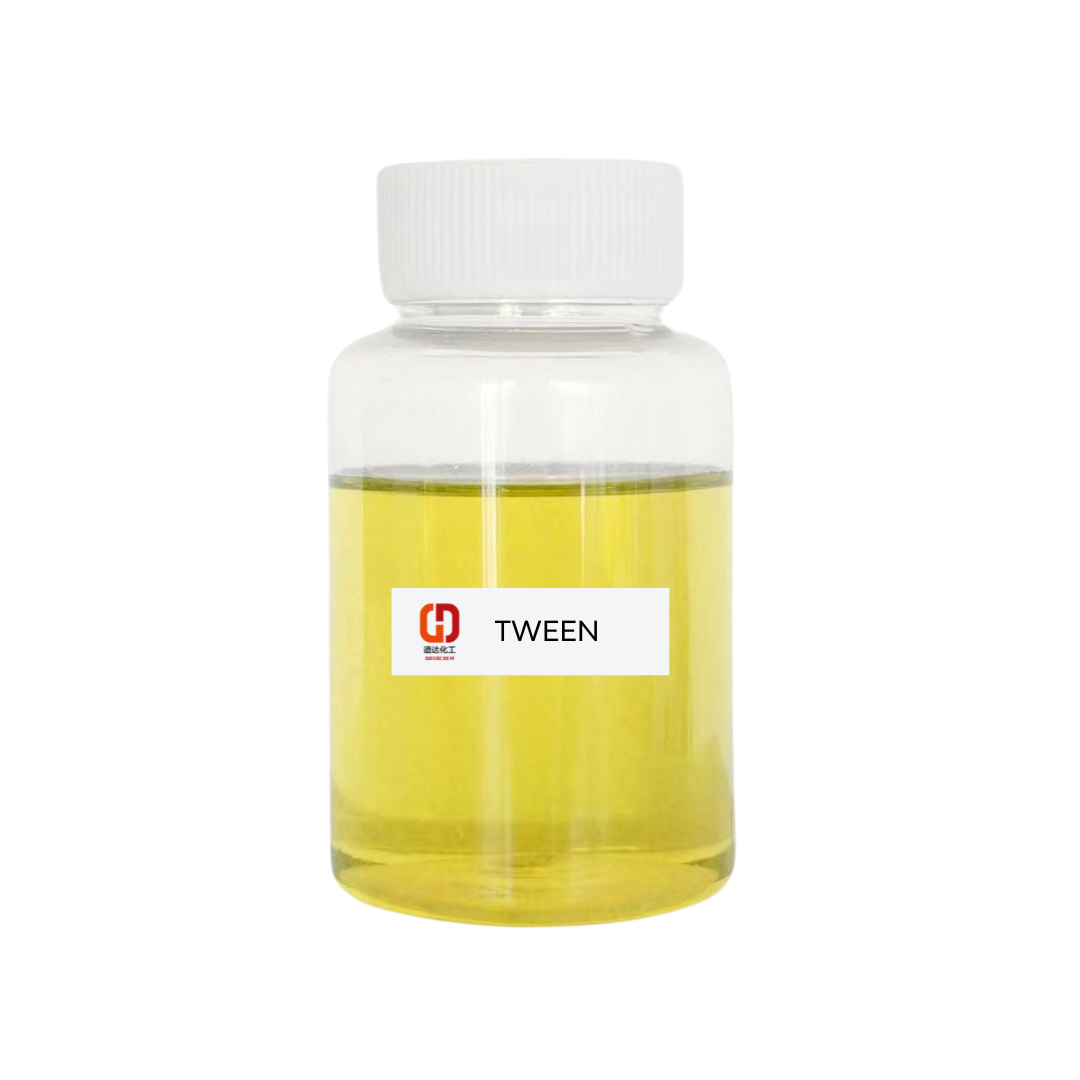
Pharmaceutical formulations and drug delivery systems are crucial because they transform active ingredients into safe, effective, and patient-friendly products. Beyond simply holding a drug, these formulations control its release rate, improve bioavailability, and enhance stability, ensuring consistent therapeutic outcomes. For instance, advanced delivery methods like nanoparticles or liposomes can target specific cells, reducing side effects by minimizing exposure to healthy tissues. This evolution underscores how formulation science directly impacts treatment success and patient adherence.
Key roles include excipients, which aren't inert fillers—they actively influence drug absorption and dissolution. By carefully selecting materials like polymers or surfactants, scientists can tailor formulations to meet diverse needs, from fast-acting pain relief to sustained-release therapies for chronic conditions. This adaptability allows pharmaceutical innovations to keep pace with complex diseases, offering personalized solutions that go beyond one-size-fits-all approaches.
Innovation in drug delivery opens doors to previously untreatable conditions. Techniques like transdermal patches or inhalers provide non-invasive alternatives, improving patient comfort and compliance. As research continues, integrating smart technologies into formulations promises real-time monitoring and adaptive dosing, highlighting the dynamic nature of this field in advancing global healthcare.
Enhancing Stability and Performance in Food and Beverage Products
Stability in food and beverage products isn't just about preserving shelf life; it's about delivering consistent quality and experience with every sip or bite. Innovations in this area often involve advanced encapsulation techniques that protect sensitive ingredients from environmental factors, such as light and oxygen, ensuring flavors remain vibrant and nutrients retain their potency. By leveraging these methods, manufacturers can avoid common pitfalls like separation or spoilage, ultimately reducing waste and enhancing consumer trust in the brand.
Performance goes hand-in-hand with stability, focusing on how products function in real-world scenarios—from maintaining texture in a frozen dessert to ensuring effervescence in a carbonated drink. Tailored emulsions and stabilizers play a crucial role here, enabling formulations that withstand varying temperatures and storage conditions without compromising on mouthfeel or visual appeal. This dynamic approach allows for creations that not only meet but exceed consumer expectations, offering a reliable and enjoyable experience regardless of external challenges.
In today's competitive market, standing out means integrating both stability and performance into a seamless strategy. For instance, using natural antioxidants like rosemary extract can boost shelf stability while aligning with clean-label trends, or optimizing pH levels to enhance preservation without relying on artificial additives. These thoughtful choices not only improve product integrity but also resonate with modern shoppers who prioritize both quality and transparency, driving loyalty and differentiation in a crowded space.
Key Applications in Personal Care and Cosmetic Innovations
In today's beauty landscape, key applications in personal care and cosmetic innovations are reshaping how we enhance natural beauty and maintain skin health. One standout area is the integration of biotechnology, where lab-grown ingredients like fermented ceramides or customized peptides offer targeted solutions for aging, hydration, and barrier repair. Unlike traditional blends, these advances mimic the skin's own processes, delivering results that feel both scientific and intuitive. For instance, brands are now using microbiome-friendly formulations to balance skin flora, reducing issues like redness or sensitivity, which makes skincare feel more personalized and effective without harsh chemicals.
Another exciting application lies in smart cosmetics, where technology merges with daily routines to offer real-time benefits. Think color-changing foundations that adapt to skin tone or pH-balancing serums that adjust based on environmental factors. These innovations aren't just about aesthetics; they empower users with tools for self-expression and confidence, moving beyond static products to dynamic, interactive experiences. This trend highlights how cosmetics are evolving from mere cover-ups to intelligent allies in personal wellness, making beauty rituals more engaging and tailored to individual needs.
Sustainability also plays a crucial role, with innovations like waterless formulations and zero-waste packaging gaining traction. By focusing on eco-friendly applications, the industry reduces its environmental footprint while enhancing product efficacy—imagine concentrated serums that last longer or biodegradable glitter for makeup. This shift not only appeals to conscious consumers but also drives creativity, leading to breakthroughs that prioritize both planetary health and personal care. Ultimately, these key applications demonstrate a holistic approach, blending science, tech, and ethics to redefine beauty standards for a modern audience.
Industrial Uses: From Agrochemicals to Textile Processing
Industrial applications span a diverse array of sectors, with agrochemicals and textile processing standing out as key examples. Agrochemicals, including pesticides and fertilizers, harness chemical compounds to boost crop yields and protect against pests, playing a pivotal role in modern agriculture. In parallel, textile processing transforms raw fibers into finished fabrics through techniques such as dyeing, bleaching, and finishing, which enhance durability and aesthetic appeal. This synergy between chemicals and textiles underscores how industrial innovations adapt to meet global demands for food security and consumer goods.
Beyond basic functions, these uses reflect a deep integration of sustainability and efficiency. In agrochemicals, advancements like slow-release fertilizers and biopesticides minimize environmental impact while maximizing resource use. Similarly, textile industries are adopting eco-friendly dyes and water-saving processes, reducing waste and energy consumption. These evolving practices highlight a broader trend where industrial processes are not only productive but also responsive to ecological and economic pressures, driving forward a more resilient and responsible manufacturing landscape.
Yet, the connection goes deeper, influencing supply chains and global markets. Agrochemicals support large-scale farming that feeds billions, while textile processing fuels fashion and industrial fabric needs worldwide. By bridging these sectors, industries can cross-pollinate ideas—for instance, using textile-derived materials in agricultural packaging or applying agrochemical research to develop new textile treatments. This interconnectedness fosters innovation and resilience, ensuring that industrial uses continue to evolve in ways that address both niche challenges and broad societal needs.
Safety, Regulatory Insights, and Future Potential in Diverse Industries
In today's rapidly evolving technological landscape, ensuring safety across industries has become a cornerstone for sustainable growth. From manufacturing plants integrating advanced robotics to healthcare facilities adopting AI-driven diagnostics, robust safety protocols are non-negotiable. Companies are increasingly prioritizing real-time monitoring systems and predictive analytics to mitigate risks before they escalate. For instance, in the automotive sector, autonomous vehicles rely on fail-safe mechanisms and continuous data validation to prevent accidents. Similarly, in energy production, smart grids employ sophisticated sensors to detect anomalies and prevent outages, underscoring how safety measures are evolving from reactive to proactive strategies.
Navigating the complex web of regulations presents another critical challenge, yet it also offers valuable insights for innovation. Regulatory frameworks, such as GDPR in data privacy or FDA guidelines in pharmaceuticals, shape how industries operate and innovate. Rather than viewing compliance as a hurdle, forward-thinking organizations leverage these insights to build trust and enhance their offerings. In fintech, for example, adherence to anti-money laundering laws has spurred the development of transparent blockchain solutions. In agriculture, regulations on pesticide use have driven research into eco-friendly alternatives, demonstrating how regulatory insights can catalyze breakthroughs that align ethical standards with market demands.
Looking ahead, the future potential of these advancements is vast and multifaceted. Industries are poised to harness emerging technologies like quantum computing and biotechnology to address global challenges, from climate change to public health crises. In construction, 3D printing and IoT integration promise safer, more efficient building processes, while in retail, personalized AI assistants could revolutionize customer experiences. The key lies in balancing innovation with responsibility—fostering collaborations between policymakers, researchers, and businesses to unlock opportunities that benefit society. As these trends converge, the potential for cross-industry synergies will likely redefine what's possible, driving progress that is both impactful and inclusive.
FAQ
TWEEN is a type of nonionic surfactant derived from sorbitan, fatty acids, and ethylene oxide, widely used in industries like pharmaceuticals, cosmetics, and food for its emulsifying and stabilizing properties.
It improves drug solubility and bioavailability by forming micelles that encapsulate hydrophobic drugs, allowing for better absorption and controlled release in targeted therapies.
TWEEN acts as an emulsifier in products like ice cream and baked goods, preventing ingredient separation and enhancing texture, while also serving as a dispersing agent in beverages.
Its mildness and low irritation make it suitable for skin care, aiding in the uniform blending of oils and water in lotions, creams, and makeup without compromising safety.
The polyoxyethylene chains and fatty acid tails create a hydrophilic-lipophilic balance, allowing it to stabilize emulsions and reduce surface tension effectively in diverse environments.
Generally recognized as safe by agencies like the FDA and EFSA, but usage levels are regulated; it may cause mild irritation in sensitive individuals, requiring proper formulation testing.
By varying the fatty acid chain length and ethylene oxide units, TWEEN's properties can be tailored for enhanced solubility, viscosity, or compatibility in niche products like agrochemicals or textiles.
It is biodegradable under aerobic conditions, though large-scale disposal requires wastewater treatment; industries adopt eco-friendly practices to minimize environmental footprint while leveraging its benefits.
Conclusion
The article provides a comprehensive overview of TWEEN Polyoxyethylene Sorbitan Fatty Acid Ester, highlighting its remarkable versatility across various industries. It details how this non-ionic surfactant enhances drug solubility and bioavailability in pharmaceutical formulations, crucial for effective drug delivery systems. In food and beverage sectors, TWEEN esters improve product stability, texture, and shelf-life, acting as emulsifiers and stabilizers. The guide also explores its applications in personal care and cosmetics, where it contributes to innovative formulations by improving product consistency and skin feel.
Additionally, the article covers industrial uses, including its role in agrochemicals for better pesticide dispersion and in textile processing for improved fiber treatment. Safety profiles and regulatory considerations are discussed, emphasizing its compliance with global standards. The future potential of TWEEN esters is underscored, with ongoing research pointing to expanded applications in emerging fields, making it a critical component in modern manufacturing and innovation.
Contact Us
Contact Person: Levi
Email: [email protected]
Tel/WhatsApp: +86 532 84688720
Website: https://www.polykem-intl.com