

Top Face Lifting Device to Sculpt and Firm Your Skin at Home
2026-10-03
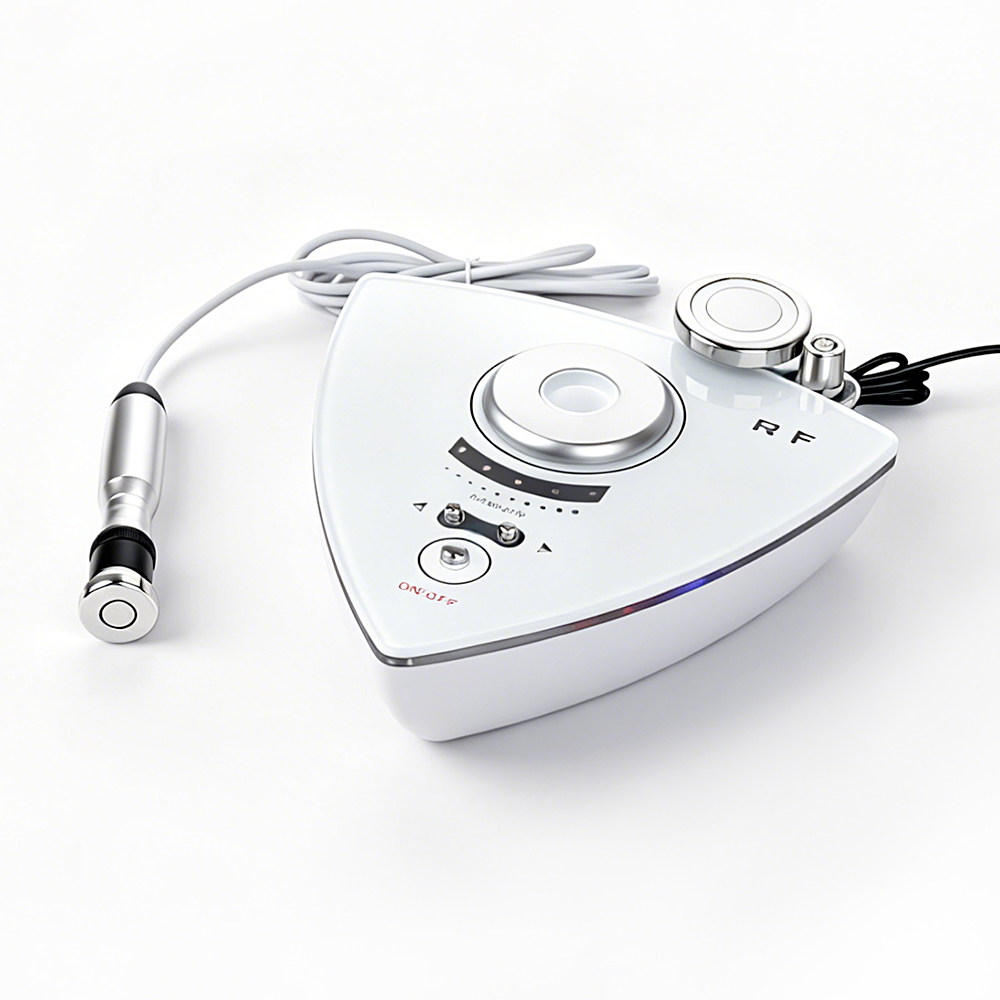
If you’re still relying on expensive spa visits for that lifted, sculpted look, it’s time to rethink your routine. The best face lifting devices now bring professional-level firming right to your bathroom counter — and Omeina is at the forefront. From microcurrent tech to smart design, here’s why this at-home tool is becoming the go-to for tighter, more defined skin.
The Under-Chin Tightening Trick Most Tutorials Skip
Most tutorials hand you a dozen neck stretches and call it a day, but they skip the single move that actually changes how your jawline sits at rest. Instead of pulling your chin back and hoping for the best, press the tip of your tongue flat against the roof of your mouth and then swallow slowly. That swallow forces the deep muscles under your chin—the ones that usually go slack from poor posture—to fire in sequence. Hold the end of the swallow for three seconds without letting your chin drop or your shoulders creep up.
Once you can feel that contraction reliably, add a light resistance with your thumb just under the jawbone. Keep the tongue suctioned upward, press your thumb gently into the soft area above your Adam’s apple, and try to lift your tongue without moving your jaw. The key is not to grit your teeth or clench; it’s a slow, almost invisible holding pattern. Practice it in sets of ten every time you catch yourself slumping at a desk or staring down at your phone.
The reason this works when other moves don’t is that it targets the platysma and the suprahyoid muscles in a lengthened, supported position. Stretching alone often makes the area look tighter temporarily because of increased blood flow, but this trick builds actual endurance so the area doesn’t sag back into a soft curve by midday. Give it two weeks before judging results—most people notice their double chin looks less pronounced in photos even when they’re not actively holding the pose.
Why Your Neck Ages Faster Than Your Face and How to Fix It
The skin on your neck is thinner, has fewer oil glands, and contains less fat than your face, which makes it prone to creasing and sagging long before your cheeks or forehead show similar wear. Add to that the constant downward pull of looking at phones and the fact that most people stop their skincare routine at the jawline, and you have a recipe for premature aging. The neck also loses collagen rapidly because it gets less UV protection—often left exposed while the face gets sunscreen.
To slow this down, extend your entire facial routine downward. Cleanse, apply antioxidant serum, and moisturize the neck with the same products you use on your face, but add a dedicated neck cream with peptides or retinol a few nights a week. Sunscreen is non-negotiable: apply it to the neck, chest, and back of the hands every morning. Try to keep your phone at eye level instead of bending your head forward, and do gentle upward massage strokes when applying products to counteract the pull of gravity.
If you already have deep horizontal lines or vertical bands, professional treatments like microneedling, ultrasound, or laser resurfacing can stimulate collagen more aggressively than topical creams alone. But consistency with daily care matters more than a single procedure—most people see noticeable improvement within three to six months of treating the neck as seriously as the face.
Sculpting Your Cheekbones Without a Single Injection
If you’ve been eyeing fillers but want a zero-downtime route, start with cream contour. The trick isn’t layering on more product—it’s placing a cool, almost gray-brown shade directly under the highest point of your cheekbone, then fading it toward your ear. Avoid warm bronzer there; it reads as muddy on most skin. Use a small dense brush or your ring finger, and blend in short upward strokes until the line disappears. Finish by sweeping a soft, pearl-free highlighter just above the hollow, not on the apple of your cheek. That contrast tricks the eye into seeing a sharper, lifted plane.
Next, give your face a quick drainage routine before makeup or in the morning. Puffiness masks bone structure, so using a gua sha tool or even your knuckles along the jaw and under the cheekbone can shift stagnant fluid. Apply a slippery facial oil or a light gel moisturizer, then glide from the center of your face toward your hairline and down the sides of your neck. Aim for light pressure—think gliding, not scraping. Two or three minutes a few times a week tends to bring out the natural hollow that makeup alone can’t create.
For a longer-term structural boost, pay attention to the muscles under the skin. Simple cheek lifts—where you smile gently, place your index fingers on the tops of your cheekbones, and press upward while resisting with your facial muscles—can build subtle tone over time. Hold for ten seconds, release, and repeat five times. Pair that with keeping your tongue resting lightly on the roof of your mouth and swallowing correctly; it changes how your lower face sits, which in turn makes the cheek area look more defined. It’s not an overnight transformation, but the cumulative effect often surprises people who’ve ruled out injectables.
The One Setting You're Not Using on Your Microcurrent Device
That hidden pause control between microcurrent pulses rarely gets touched. Everyone dials up intensity or swaps conductive gels, but the rest interval changes how the current feels and works. A shorter pause means the muscle contracts almost continuously—great for a quick lift but easy to overdo. A longer pause, around two seconds, gives the skin a chance to reset and lets the serum penetrate deeper before the next wave.
If your device has a "custom" or "advanced" menu, look for something labeled rest, interval, or duty cycle. Most default to a middle value that feels safe but doesn't do much. Dropping it by one step for the jawline and forehead can make a visible difference in firmness after a few uses. Just don't leave it on the shortest setting for the whole session—that's how you end up with twitchy muscles and a red patch near the temple.
For devices without an obvious pause setting, switch to a lymphatic or sensitive mode and pay attention to the rhythm. Those modes usually run longer rests and lower frequency, which many people skip after the first week. That slower pattern is actually better for product absorption and reducing puffiness around the eyes. Once you tune the pause to your skin's tolerance, the same device feels like a different machine.
What Happens to Skin Elasticity When You Stop for a Week
When you step away from whatever has been keeping your skin feeling springy—whether it's a dedicated moisturizer, a peptide serum, or daily facial massage—don't expect a dramatic collapse in seven days. Elasticity doesn't vanish overnight. What you might notice first is a subtle change in surface texture: skin can feel slightly less plump, a bit more papery by day three or four, especially around the cheeks and jawline where movement is constant.
The deeper support network of collagen and elastin fibers isn't rebuilt or broken down on a weekly schedule, so stopping for one week rarely causes measurable structural loss. However, hydration levels drop quickly when you pause humectants or occlusives, and dehydrated skin always looks and feels less resilient. That tightness you might interpret as lost elasticity is often just temporary water loss in the stratum corneum giving the illusion of sagging.
Most people find that a one-week break is fully recoverable within a few days of restarting their routine. The skin's memory for elasticity, so to speak, is longer than a week. Genetics, age, and sun exposure matter far more than a short lapse. If anything, the real risk is psychological—convincing yourself that all progress is undone can make you abandon good habits entirely, which over months would actually impact firmness.
A Realistic Timeline for Seeing a Lifted Look at Home
Within the first few days, you're mostly seeing surface-level changes—skin plumped by extra hydration, fewer dry patches catching light. It's not structural lifting yet, but it can soften the mirror check.
Around the two-to-six-week mark, active ingredients like retinoids or peptides start nudging skin turnover. You might notice your jawline looks slightly more defined because the skin itself sits smoother, not because muscles have moved.
By month three to six, collagen and elastin have had enough time to rebuild. This is when at-home devices and consistent facial massage tend to show their actual payoff. The lift won't rival an in-office procedure, but it reads as a fresher, more rested version of your face.
FAQ
Most people notice a temporary snap-back effect immediately after the first session, especially around the cheeks and jaw. That instant change comes from muscle stimulation, but deeper collagen remodeling typically takes six to twelve weeks of consistent use three or four times a week.
You can use it, but start on the lowest energy setting and patch test on a small area near your ear. Redness from the device itself is rare, yet combining it with harsh exfoliating acids or retinoids on the same night may trigger a flare-up. On sensitive days, leave your skin bare and skip active serums before the session.
A jade roller just moves fluid around and gives a brief cooling massage, whereas a proper lifting tool uses microcurrent, radiofrequency, or sonic vibrations to reach the muscle layer. That is why a roller gives you a five-minute glow, but a device can actually change how your cheekbones and brow sit over time.
An at-home device is great for maintenance and slowing down volume loss, but it won't replicate the depth of a professional HIFU or injectable treatment. Many people stretch the time between professional visits from monthly to quarterly by adding home sessions, but expecting the same lift from a handheld tool alone will leave you disappointed.
The mid-face and the area around the mouth tend to respond first because those muscles are involved in lifting the corners of the lips and supporting the cheeks. Under-eye hollows and deep nasolabial folds are more stubborn and may need longer use or a device with dedicated eye-safe settings.
Most microcurrent devices require a water-based conductive gel to close the circuit, and a hyaluronic acid serum often works if it does not contain oils or heavy silicones. However, your serum may dry out faster during the glide, so a dedicated gel keeps the current consistent and prevents tugging.
Overusing it in the first week because the initial results feel rewarding. The muscles and skin need recovery time, and too much microcurrent can fatigue the facial muscles or cause a dull ache around the temples. Follow the brand's recommended schedule and treat it like strength training for your face, not a daily stretching routine.
Yes, if you have a pacemaker, epilepsy, active acne breakouts with open lesions, or if you are pregnant, you should get medical clearance before using microcurrent or radiofrequency tools. Also avoid using them over areas with metal implants, permanent fillers, or recent injectables unless your practitioner says it is fine.
Conclusion
What surprised me most about this at-home face lifting device isn't just the immediate cheekbone definition—it's how much of the routine depends on tiny adjustments most people never bother with. The under-chin area, for instance, responds best when you tilt your head back slightly and glide the device upward along the jawline rather than pressing straight down. It's a move almost every tutorial skips, yet it makes the lifting effect far more pronounced. Your neck also needs extra attention because the skin there is thinner and has fewer oil glands, so it tends to lose elasticity faster than your face. Running the device over the neck in slow, upward strokes helps counteract that sagging, especially if you pair it with a conductive gel. And for cheekbones, you don't need needles or fillers—just angle the device along the cheekbone curve and hold for a few seconds at the highest comfortable intensity.
There's also one setting on most microcurrent devices that gets ignored, the pulse or lift mode. Using it for short intervals after the standard glide can boost the firming response because it forces deeper muscle contractions. But consistency matters. If you stop for a week, don't panic—skin elasticity dips slightly as muscles relax, but it rebounds within a few sessions. In terms of timing, expect a subtle lifted look right after the first use, more defined contours around week two, and a noticeable firmness in the jawline and neck by week four or five. The key is doing the full routine, including the neck and under-chin passes, rather than only focusing on the cheeks.
Contact Us
Contact Person: Tina Liu
Email: [email protected]
Tel/WhatsApp: 8618681405932
Website: https://www.omeinabeauty.com/