
Stackable Metal Bins Made by a Chinese Factory for Organized Spaces
2026-11-17
A storage bin rarely gets a second thought—until the stack slips and your tools end up on the floor. Lanyuda, a Chinese factory, makes stackable metal bins that treat organized spaces as more than a promise. The bins lock into place, resist daily wear, and bring a clean, industrial order to workshops, garages, and stockrooms. Before you buy another set that wobbles or rusts, here’s a closer look at what actually holds up.
How the Stacking Lugs Keep Heavy Bins from Wandering on Shelves
Most heavy bins drift because vibration or uneven picking nudges them just enough to break static friction. The lugs change that by giving each bin two or three molded projections on the underside that drop into matching recesses on the bin below, or catch the front lip of a shelf beam. Once a full bin settles, those lugs bear against the edge instead of allowing the whole footprint to slide.
The effect is less about clamping and more about a hard stop. Side-to-side force has to lift the bin slightly before it can travel, and with fifty or sixty pounds inside, that lift seldom happens by accident. Even on racks that see constant vibration or hurried picking, the bin stays put until someone deliberately tilts it upward to break the engagement.
Stacked three or four high, the lugs also keep the column aligned. A slight offset gets corrected as each bin seats into the one underneath, so the weight path stays vertical and the load does not cantilever over the shelf edge.
The Steel Prep and Powder Coat Steps That Show Up in Daily Wear
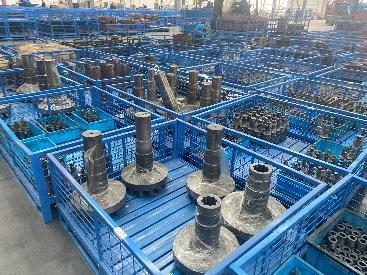
Daily wear has a way of revealing which steel prep steps were rushed. On railings, tool chests, and bike frames, the first sign is rarely a scratch in the color coat. It is usually a small blister or a speck of rust at an edge where oil or mill scale was not fully removed. The powder coat may still look intact, but underneath it the phosphate layer has let go, and moisture is doing the rest.
When a good prep sequence is in place, worn areas look different. The coating thins gradually instead of flaking, and the exposed steel shows a dull gray tone rather than bright metal. That gray layer is the zinc phosphate still holding the surface. It keeps the daily friction from turning into peeling, even after the topcoat has been rubbed smooth by hands or tools.
Corners and punched holes are the honest spots. If the powder was applied too lightly there, normal handling wears through within a season. But if the blast profile was deep enough and the cure window was hit, those same edges just get a little smoother. Run a thumb over the wear line and you can feel the faint tooth of the blast texture still locked under the remaining film.
Matching Metal Gauge and Finish to Humid Garages or Dry Stockrooms
Choosing the right metal for storage depends less on appearance and more on the air around it. In a humid garage, thinner gauges paired with a basic mill finish can develop rust spots within months, especially where condensation lingers along edges or bolt holes. Galvanized or powder-coated steel holds up better, but even those benefit from stepping up one gauge so the extra thickness slows corrosion from the outside in.
Dry stockrooms offer more freedom, but that doesn't mean ignoring finish altogether. Here, a smooth electroplated or lightly oiled surface reduces friction when sliding bins or boxes across shelves, while a matte powder coat hides scratches from daily handling. The gauge can stay lighter since moisture isn't forcing the need for sacrificial thickness, though high-traffic areas still warrant reinforcement at corners and under heavy loads.
The real trick is treating gauge and finish as a single decision rather than two separate choices. A humid space might call for 18-gauge galvanized steel, while a dry room could get away with 22-gauge with a simple clear coat. Test a small section through one full season before committing to a whole wall of shelving, because microclimates near doorways or concrete floors often surprise even experienced builders.
Shelf Layouts That Keep Labels Easy to Read and Bins Quick to Reach
Angle matters more than most people expect. When every label faces slightly forward instead of flat against the shelf, the difference in reading speed becomes obvious on a busy day. A shallow tilt—around fifteen to twenty degrees—lets you scan an entire row without stepping sideways or leaning over. Bins placed on slanted ledges do the same job while keeping their open tops within comfortable arm reach.
Keep the most-used items between waist and shoulder height. That zone is where hands naturally land, and it prevents the awkward reach-and-crouch pattern that slows down retrieval. For deeper shelves, use dividers or pull-out trays so smaller bins do not get buried behind larger ones. A simple rule works well: if you cannot see the label while standing at the shelf, the layout is already working against you.
Leave a small gap between bins instead of packing them edge to edge. The extra breathing room makes labels readable from a slight angle and gives fingers enough space to grab without knocking neighboring containers. It also turns an ordinary storage wall into something that feels less cluttered, even when inventory levels climb.
Which Custom Dimensions and Hole Patterns Are Practical Before Production
Most standard panel sizes and hole grids exist because they save real time and money, but that does not mean every custom request is unrealistic. The practical limit usually depends on whether the alteration can be handled with existing tooling. For example, shifting a mounting hole by a few millimeters or changing a cutout width is often straightforward. Drilling a non-standard hole pattern that requires a new fixture or manual layout, however, can slow the entire batch and introduce positioning errors that are hard to catch until assembly.
Hole patterns become especially tricky when they move away from common diameters or spacing. Odd sizes like 5.3 mm or 7.2 mm may be possible, but they can force the shop to order specialty bits or stop for tool changes between panels. A better approach is to design around tooling that is already in the workflow. If a custom pitch is only marginally different from a standard grid, the functional gain is rarely worth the extra setup. When the difference does matter, it helps to specify it clearly on a single reference edge rather than centering everything, so the machinist has a stable datum and fewer chances to misread the drawing.
Custom dimensions follow a similar logic. Enclosures with one or two adjusted sides can still nest efficiently if the changes stay within standard sheet sizes. But a dimension chosen purely for internal clearance may waste a large amount of material on the shop floor, especially if the final panel leaves an awkward leftover strip. Before committing to a custom size, it is worth checking whether the same clearance can be achieved with standard case dimensions and a revised internal bracket or spacer. In many builds, the mechanical goal stays intact while the manufacturing risk drops considerably.
What to Inspect in a Bulk Shipment Besides the Box Count
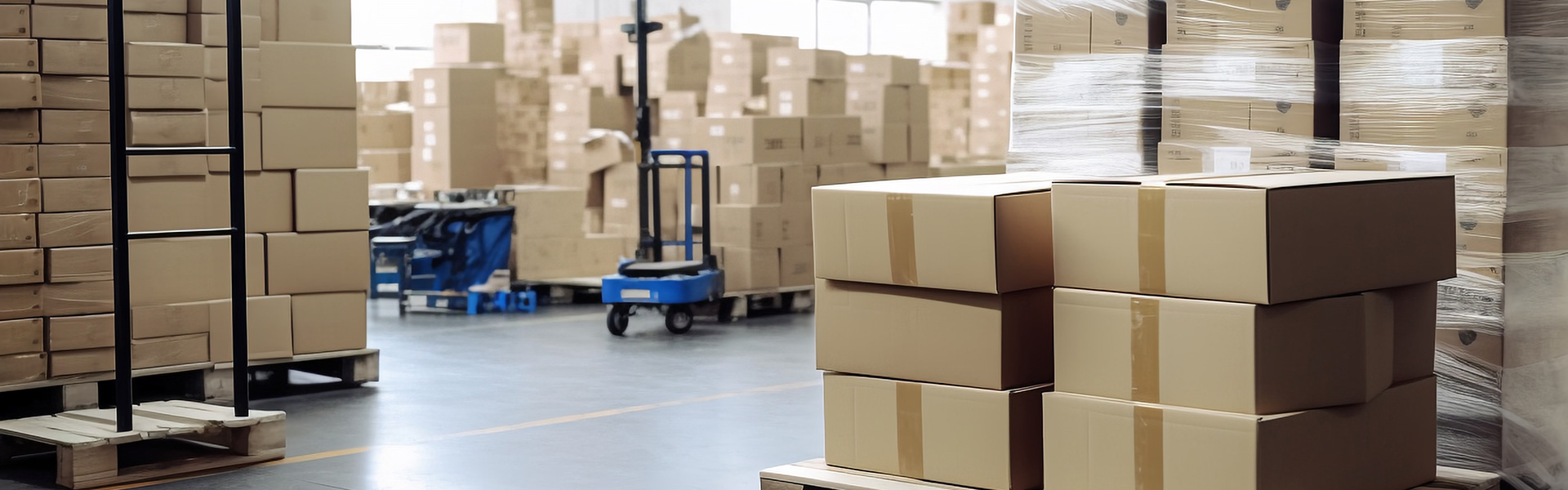
Carton tallies rarely tell you much about whether the freight will actually clear customs or reach the shelf in sellable condition. One of the first things to look at is the uniformity of the pallets and the way the boxes are stacked. If the corners are crushed, the stretch wrap is loose, or the pallet bases are damp, you are often looking at rough handling or condensation somewhere in transit. Those clues matter more than a missing unit because they point to issues that could affect an entire layer of product, not just one carton.
It is also worth checking whether the marking on the outside matches the documents in more than just the total piece count. Batch numbers, date codes, and shipping marks can drift between what was booked and what actually arrived, especially when a forwarder consolidates cargo. Pay attention to mixed lots, handwritten corrections on labels, or pallets that look resealed. If the shipment includes goods with a shelf life or temperature tolerance, a quick check of indicator strips or data loggers will often reveal problems that a box count would never catch.
FAQ
They're built for constant use. The steel panels have folded rims so they don't flex when full, and the powder coat takes a fair amount of knocking around. We've seen them in machine shops and fulfillment centers after years of use still looking decent.
There's a small recessed lip around the top edge. When you set another bin on top, it drops into that lip just enough to prevent shifting. It won't lock like a lid, but the stack stays put under normal grabbing and sliding.
They'll shrug off the occasional splash or a humid stockroom. The standard finish is fine indoors. For washdown areas or covered outdoor storage, ask about the zinc primer option, because bare edges and scratches are where rust usually starts.
Most standard sizes range from 4 inches to 24 inches wide, with depths based on common shelving. They can also do custom heights if you're trying to fit under a workbench or into an existing rack.
They're nested to save space, then stacked with cardboard corners and strapped to pallets. It keeps them from rattling around in the container and cuts down on damage at the edges.
Yes. Powder coating can be matched to brand colors, and you can add label plates, screened text, or different colored front panels. Custom work is usually straightforward but expect a higher minimum quantity.
Have rough internal dimensions, the quantity you need, and details on any shelving the bins must fit. A photo or sketch always helps the factory understand the exact shape and depth you're after.
Conclusion
Anyone who has pulled a loaded bin off a high shelf knows why the stacking lugs matter. On a Chinese factory floor, those lugs are not an afterthought; they are stamped, bent, and checked so a heavy unit locks into the bin below without creeping sideways when the next one is grabbed. The same care carries into the steel prep. Panels are degreased, phosphate-treated, and powder coated so edges resist the small abrasions that come from daily use. In a humid garage, a heavier gauge with a sealed finish makes sense, whereas a dry stockroom can often use a lighter, more affordable metal without giving up long-term shape.
Good organization also depends on how the bins sit on the shelf. Slightly tilted label faces and a placement range between waist and shoulder height keep part numbers readable and the most-used sizes within easy reach. Before a production run, custom dimensions and hole patterns should be tested against actual rack depths, divider slots, and mounting points; adjusting a lug position early costs far less than retrofitting an entire shelving line later. When a bulk shipment arrives, the box count is only the first check. Weld uniformity, edge coating thickness, straight sidewalls, and clean punched holes reveal whether the factory held its process from the first bin to the last.
Contact Us
Contact Person: Johnny
Email: [email protected]
Tel/WhatsApp: +86 18151010686
Website: https://lydstorage.com