

Sheet Metal Factory: Smart Automation Tips for Efficient Production
2026-07-17
In the high-stakes world of sheet metal fabrication, every second counts. Yet many factories still rely on outdated workflows that quietly drain productivity. Smart automation isn’t just a buzzword—it’s a practical shift that can transform your floor from bottleneck to benchmark. At TPS, we’ve seen how the right mix of technology and strategy cuts waste and boosts output without overhauling your entire operation. Dive into these actionable tips to streamline your processes and stay ahead of the curve.
Streamlining Workflow with Robotic Press Brakes
Robotic press brakes have redefined what efficiency looks like on the shop floor. Instead of operators manually handling heavy sheets between bends, the robot takes over the loading, positioning, and unloading, maintaining a steady rhythm without fatigue. This continuous operation eliminates the micro-pauses and repositioning delays common with manual workflows, drastically compressing cycle times. The result is a production line that flows with a consistency that’s hard to achieve through human effort alone, allowing fabricators to meet tighter deadlines without straining their workforce.
The integration of these systems also smooths out the kinks in job transitions. With off-line programming and automated tool changing, switching from one part to another happens in minutes rather than hours. The software calculates optimal bend sequences and tool arrangements, minimizing trial-and-error on the machine. This means less idle time for the press brake and more productive hours per shift. Operators evolve into process supervisors, overseeing multiple cells and stepping in only for exceptions, which amplifies throughput without adding headcount.
Perhaps the most overlooked workflow gain is the reduction in downstream corrections. Robotic precision ensures each bend is exactly where it should be, so assemblies fit together without rework. That consistency eliminates the secondary operations often needed to compensate for inconsistent bending. The entire production chain benefits: welders get parts that align perfectly, powder coat lines see fewer defects from mishandling, and final inspection spends less time on hold-ups. By tightening the loop between design and finished product, robotic press brakes turn a traditionally bottleneck-heavy process into a predictable, streamlined operation.
Laser Cutting Automation: Beyond the Basics
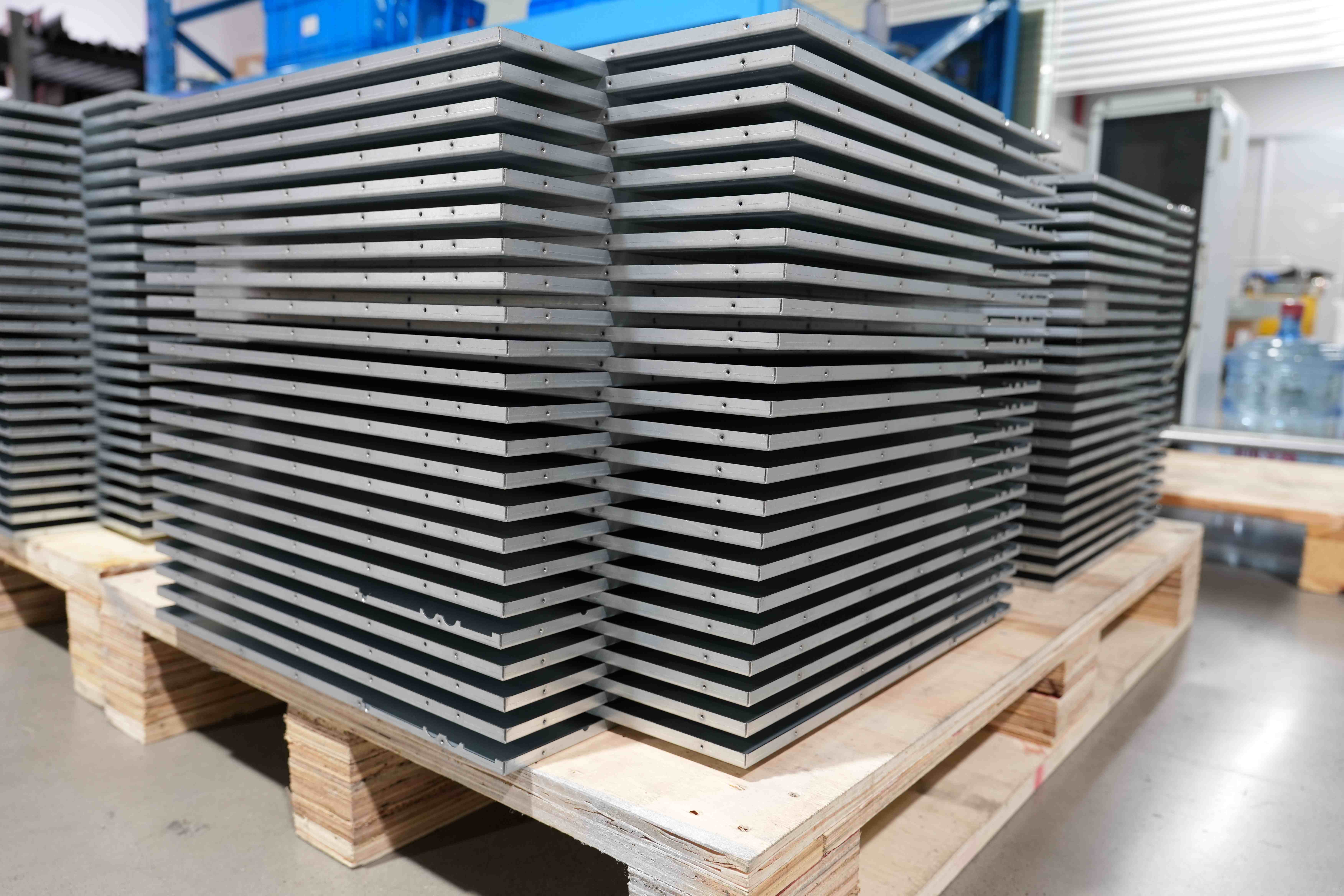
While basic laser cutting automation handles repetitive tasks like loading and unloading sheets, advanced systems now integrate real-time process monitoring. Sensors detect variations in material thickness or surface reflectivity, automatically adjusting laser power and focal position mid-cut to maintain consistent quality. This adaptive capability is crucial when working with inconsistent batches of metal or specialized alloys where even minor deviations can scrap an entire part.
The next frontier is autonomous nesting and sorting. Instead of relying on pre-programmed routines, machine-learning algorithms analyze part geometries and material remnants in real time, dynamically optimizing the cut sequence to reduce waste and cycle time. Post-processing, automated sorting systems use vision-guided robotics to separate parts by type, stack them, and even perform light deburring—eliminating manual intervention and shrinking the floor-to-ship timeline dramatically.
Finally, full production integration ties these islands of automation into a seamless data loop. ERP systems now push work orders directly to the laser, while maintenance alerts are triggered by predictive analytics on tube life and lens condition. This connectivity enables lights-out manufacturing where a single operator oversees multiple cells, responding only when exception handling is needed—a shift that redefines the role of human expertise in the fabrication shop.
Real-Time Monitoring to Slash Downtime
Every second of unplanned downtime chips away at revenue and customer trust, yet many businesses still rely on periodic manual checks that catch issues far too late. Real-time monitoring flips this outdated script by constantly feeding live performance data into a centralized dashboard, allowing teams to spot anomalies the moment they surface. Whether it's a sudden memory spike on a web server or a creeping temperature rise in a manufacturing unit, the system flags it instantly—often before it becomes an actual outage.
Beyond detection, the real power lies in automated escalation and intelligent alerting. Instead of forwarding every minor blip to an overwhelmed IT team, smart filters distinguish between harmless noise and patterns that historically lead to failure. When a genuinely critical threshold is breached, the right people receive context-rich notifications via their preferred channel, complete with diagnostic details and suggested playbooks. This means a fix can be deployed in minutes, not hours, drastically compressing mean time to resolution.
Over time, the data collected builds a rich historical baseline that reveals underlying fragility cycles—some equipment might degrade predictably under certain loads, while software updates could introduce memory leaks. Armed with this insight, maintenance shifts from reactive firefighting to proactive prevention. The result is a profound drop in costly interruptions, longer asset lifespans, and a more resilient operation that keeps end users unaware that anything ever went wrong.
Material Handling: Smart Carts and Conveyors
Smart carts have quietly reshaped the flow of materials across factory floors and distribution centers. These self-guided units, often equipped with lidar and vision systems, navigate dynamic environments without fixed paths or magnetic tape. They respond to real-time inventory data, rerouting themselves to avoid congestion and deliver parts exactly when needed. Instead of relying on scheduled batch transfers, facilities now enjoy a continuous, pulse-like movement of goods. The carts learn traffic patterns over time, adjust speeds to minimize energy use, and even signal when a battery swap is due. This shift from rigid automation to adaptive assistance means fewer manual runs, shorter wait times for assembly lines, and a notable drop in misplaced items.
Conveyors, too, have evolved far beyond simple belt-driven tunnels. Modern systems embed sensors that monitor vibration, temperature, and load, feeding data into predictive maintenance algorithms. They recognize package dimensions on the fly, adjusting gaps and speeds to avoid jams without human intervention. Some designs integrate with smart carts at transfer points, creating a seamless handoff where a conveyor slows precisely as a cart aligns to receive a tote. Others use motorized rollers that start and stop only when a package is present, cutting idle energy consumption drastically. The result is a hybrid backbone of material flow: conveyors handle high-volume, long-haul segments, while smart carts serve the agile, point-to-point connections that make sense for smaller batches or frequent reconfiguration.
Predictive Maintenance: Sensors That Save Costs
Gone are the days when equipment failures came as expensive surprises. With the rise of smart sensors, machines now talk before they break. Vibration, temperature, and pressure data stream continuously from critical assets, feeding algorithms that detect the faintest early signs of wear. This shift from reactive fixes to proactive care means repairs happen only when needed—and long before a catastrophic failure.
The financial upside is multifaceted. Downtime in manufacturing can cost thousands per minute, but predictive maintenance keeps production lines humming. Spare parts inventories shrink because replacements are ordered just in time, not stockpiled for emergencies. Service calls become targeted interventions instead of frantic overhauls. In sectors like logistics, a single truck sensor can prevent spoiled cargo and the cascading costs of a roadside breakdown. The result is a leaner operational budget where every dollar spent on maintenance yields a measurable return.
What makes this approach stick is its learning curve. As the sensor network grows, the system gets sharper—spotting patterns that even seasoned technicians might miss. Cloud-based dashboards turn raw data into plain-language alerts, empowering teams on the ground without requiring data science degrees. Over time, the technology pays for itself many times over, often within the first year. Maintenance stops being a cost center and evolves into a strategic lever for reliability and efficiency.
Integrating Software for Seamless Job Scheduling
Achieving true efficiency in job scheduling often hinges on how well different software systems communicate. Instead of treating each tool as an isolated island, integrating them creates a continuous flow of data and commands. This means your scheduling platform can automatically pull in resource availability from ERP systems, feed real-time updates to field service apps, and trigger follow-up tasks in CRM platforms—all without manual intervention. The result is less double-entry, fewer missed handoffs, and a scheduling process that feels almost intuitive.
The real power of integration lies in its ability to handle complexity behind the scenes. For instance, when a new job is created, the system can instantly cross-reference technician certifications, equipment status, and travel time constraints—pulling this data from multiple sources—to suggest optimal time slots. Alerts and notifications cascade through the connected ecosystem, so stakeholders are informed without having to dig through emails or dashboards. This tight interconnection transforms scheduling from a reactive, error-prone task into a proactive, self-regulating workflow.
Of course, integration requires thoughtful middleware or APIs that map data fields accurately and maintain sync integrity. But the upfront effort pays off when you can finally see the full operational picture in one place. Sales pipelines, workforce capacity, and maintenance schedules begin to align naturally. Over time, this synergy not only cuts administrative overhead but also boosts on-time performance and client trust, proving that the whole is indeed greater than the sum of its parts.
FAQ
Implementing real-time laser measuring systems helps catch thickness variations early, so you can adjust roll gaps immediately and avoid scrapping entire batches.
Start with a quick die-change system that uses hydraulic clamps and preset parameters—cutting setup time by over 50% without needing full robotics right away.
They think it's only for high volumes, but installing automatic angle correction on even one press brake can handle small batches efficiently, reducing operator fatigue and rework.
Adopt dynamic scheduling software that reads live order queues and changes nesting on the fly, so you're not stopping the laser to recalculate every time a new job comes in.
It's a game changer—vibration sensors on key machines can forecast bearing failures weeks ahead, letting you schedule repairs during planned slow periods instead of emergency shutdowns.
Definitely not hype—vertical lift modules that integrate with your ERP reduce walking time for operators and cut picking errors, so assembly cells get the right parts the first time, every time.
Many focus only on final inspection; adding inline 3D scanners after forming spots cracks or wrong bends instantly, preventing defective parts from moving downstream and costing more to fix later.
Let operators help choose the tasks cobots take over—when they see they're not being replaced but freed from dull jobs, they become champions of the change and often suggest even better integration ideas.
Conclusion
Modern sheet metal factories are turning to smart automation to stay competitive, and the results are striking. By deploying robotic press brakes, shops eliminate the inconsistent bends that come from operator fatigue—machines now handle repetitive forming with sub-millimeter repeatability, while skilled workers focus on complex setups. Laser cutting has evolved well beyond basic nesting: advanced systems automatically adjust focal length, nozzle clearance, and even switch gases mid-job based on material type and thickness, pushing throughput without sacrificing edge quality. These two upgrades alone can compress lead times dramatically, but the real magic happens when they communicate with each other.
That communication depends on real-time monitoring and integrated software. Sensors embedded across the floor track vibration, temperature, and cycle counts, feeding data into a central platform that flags anomalies before they cascade into unplanned downtime. In parallel, smart material handling—autonomous carts and motorized conveyors—shuttles blanks and finished parts between stations exactly when needed, eliminating the wasteful pauses that plague manual logistics. Predictive maintenance algorithms take it further: instead of routine calendar-based swaps, they schedule service only when component wear reaches critical thresholds, cutting both parts inventory and emergency call-outs. Finally, unified job scheduling software ties every order, machine, and operator into a single dashboard, enabling dynamic rerouting when a press brake is overloaded or a laser runs low on auxiliary gas. Together, these interconnected systems transform a traditional fab shop into a responsive, self-correcting production engine.
Contact Us
Contact Person: Lily
Email: [email protected]
Tel/WhatsApp: +49 (0) 2161 49526-0
Website: https://tps-elektronik.com/en/