
Press Brake Machine Supplier Key Factors to Evaluate Before Choosing Your Fabrication Partner
2026-09-17
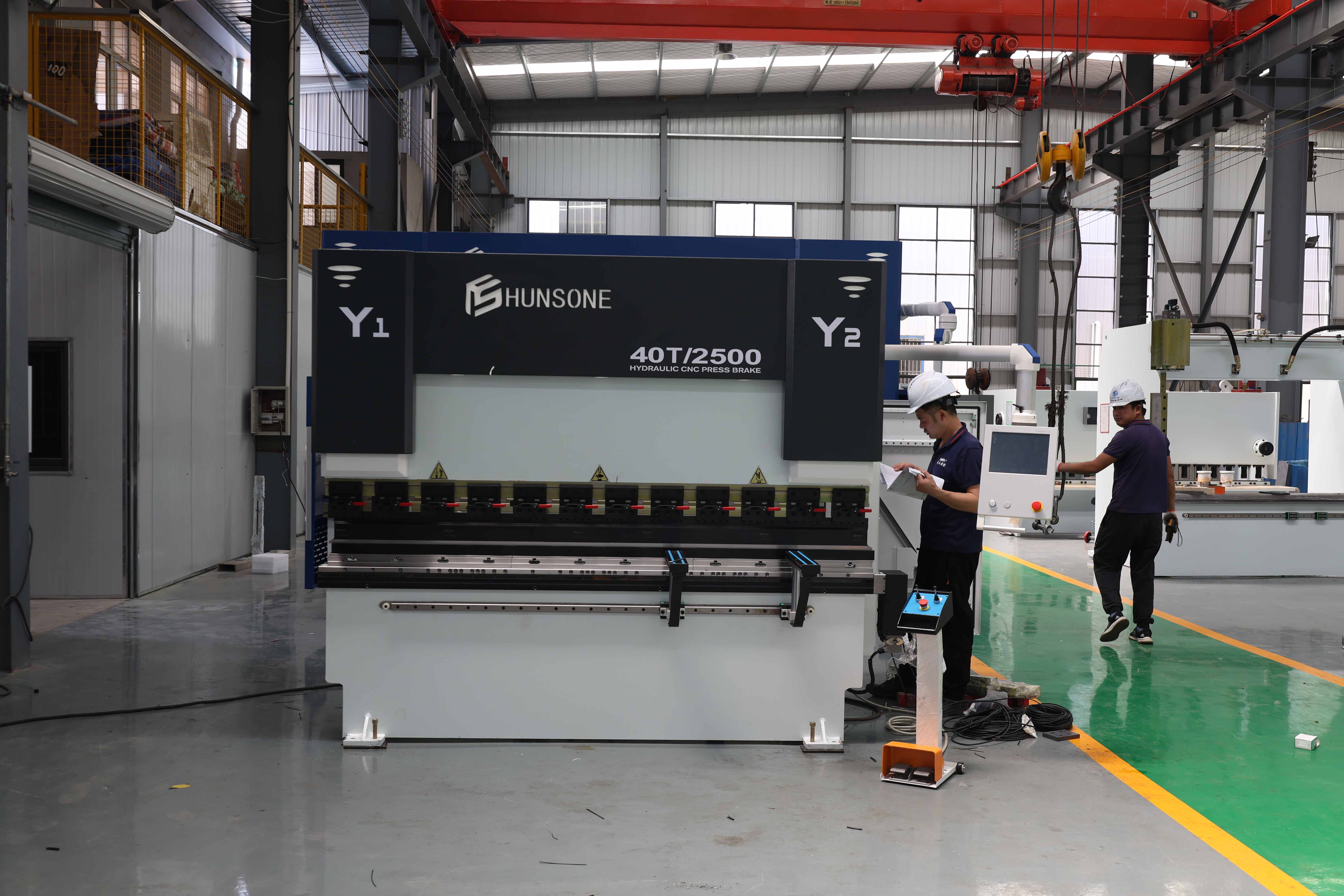
Not all press brake machine suppliers are created equal—and picking the wrong one can quietly erode your fabrication output, delivery times, and bottom line. Before you sign with a partner, there are a handful of key factors you should evaluate beyond the spec sheet: build precision, service response, spare parts availability, and the supplier’s willingness to stand behind their machines. This guide breaks down what actually matters in the selection process. And if you’re already comparing options, HUNSONE is a name worth adding to your shortlist.
Material-Specific Repeatability Tests
Repeatability checks for a given material start with a defined thermal and mechanical history. A batch of specimens is prepared from the same lot, then conditioned and tested under identical load, speed, and environment. The spread of results from this single-material run exposes drift in fixtures, sensor zero shifts, and subtle changes in grip pressure that a mixed-material study would mask.
For plastics and elastomers, the protocol often includes ten or more cycles on the same specimen before recording a stable value. Low-strain recovery, stress relaxation, and creep within the first few cycles are treated as material conditioning, not as data. Only after the hysteresis loop narrows to a steady band are consecutive readings accepted as repeatability data.
Metals and ceramics follow a tighter path. Surface finish, alignment, and strain-rate control dominate the scatter. A repeatability run that shows a sudden shift in modulus or yield point usually points to a seating problem or a damaged extensometer rather than a true material change. Recording the raw time series, not just the summary values, makes it possible to trace such artifacts later.
Overnight Seal Replacement or Downtime?
The choice between an overnight seal replacement and accepting planned downtime is rarely straightforward. Overnight work looks attractive when daytime production cannot stop, but it carries premiums for labor, often thinner onsite expertise, and a higher chance of mistakes if crews push through fatigue.
A more reliable approach is to weigh the real cost of each hour the equipment sits idle against the risk of a rushed job. If the seal is on a critical pump without redundancy and failure would trigger a safety or environmental incident, an overnight replacement may be justified. But if the failure mode is slow and the asset can limp along under reduced load, a scheduled daytime window with full vendor support may actually cost less over the seal's service life.
Condition data matters more than intuition. Vibration trends, temperature swings, and leak rates can tell you whether the seal will survive until the next planned outage. Rather than defaulting to overnight heroics, use that information to pick the option that protects production without sacrificing the quality of the repair.
Local Parts Inventory vs. Overseas Lead Times
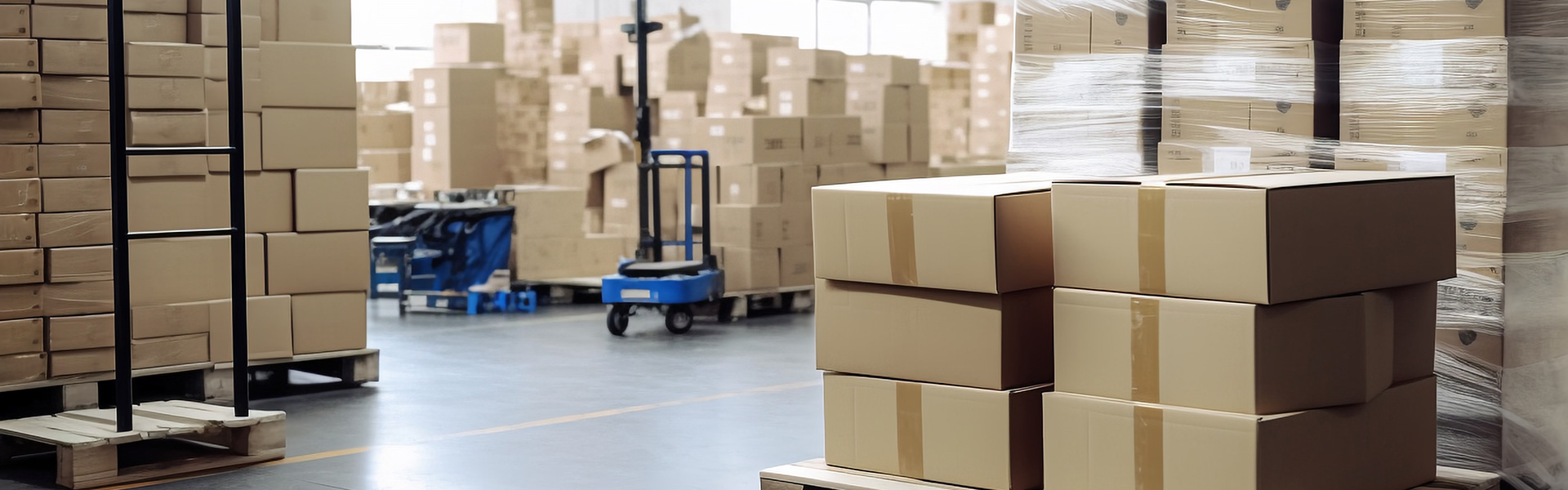
Keeping a buffer of critical components on hand feels like a safety net until you see the carrying costs stack up. Local parts inventory ties up working capital and demands shelf space, yet it can resurrect a stalled production line within hours. The question is which failures you can actually predict versus the ones that hit without warning.
Overseas lead times introduce a different kind of risk. Even with reliable suppliers, a part ordered across an ocean might sit in customs for an extra week or get caught in a port backlog. When a machine is down, every day of waiting eats into margins that local stock could have protected.
Smart operations don't choose one side blindly. They map failure frequency and part cost against the true cost of downtime. High-frequency, low-cost items usually justify local shelf space, while expensive or rarely needed components can tolerate longer international lead times with advance planning.
Operator Training That Goes Beyond Button-Pushing
Most operator training programs stop at the control panel. New hires learn which buttons start a cycle, which alarms silence, and where to log a deviation. Then they're expected to run a line or a reactor on their own. The problem is that real operations rarely follow the script. Valves stick, sensors drift, raw material behaves differently on a Tuesday afternoon. Training that only covers button-pushing leaves people unprepared for those messy, unscripted moments.
A better approach treats the operator as a decision-maker, not a task executor. That means teaching the underlying physics or chemistry in plain terms, walking through past incidents where a small anomaly turned into a shutdown, and building the habit of asking why before reacting. Instead of memorizing start-up steps, trainees practice reading trends, spotting early warnings, and choosing a course of action with incomplete information. It's slower up front, but it creates operators who can hold a process steady when the automation doesn't behave.
The final difference shows up in how people respond to abnormal situations. A button-trained operator freezes or calls for help the moment the standard procedure no longer matches the screen. A well-trained operator uses mental models to isolate the issue, communicates clearly what's known and what's uncertain, and keeps the unit safe while troubleshooting. That shift from following instructions to owning the process is what separates a reliable shift from a risky one.
Complex Part Trial Bends Before Purchase
Most press brake shops will quote a complex bracket from a drawing and hope for the best on the first run. That works until you hit a deep box with three flanges, tight radii, and a tolerance stack that leaves no room for springback guesswork. Running trial bends before committing to a full purchase order turns that guesswork into measured offsets, actual grain direction effects, and a known sequence that won't collide with the tooling.
We cut short strips from the same heat and thickness as the production material, then run them through the planned bend sequence on the actual press brake. Each bend is checked against the flat pattern, adjusted for overbend where needed, and recorded. For parts with asymmetric flanges or holes near the bend line, we'll also test a full profile blank to see if the pilot holes shift or the edges pull out of square.
The trial data becomes your reference before you spend on the full batch. You get back a marked-up flat pattern, measured sample parts, and bend notes that show exactly where the inside radius lands and how much crowning was used. If a feature needs a redesign to avoid cracking or distortion, you'll know after a handful of test pieces instead of after the entire order is cut.
Transparent Numbers on Wear Parts Over Five Years
Back in 2019, we started etching small, clear numbers onto every wear part leaving our facility. At first it felt like a minor operational tweak—just a way to match a component to its batch record. But over the next five years, those little digits turned into the backbone of how we track real-world endurance. A loader bucket tooth from year one might resurface in a maintenance log three seasons later, and the number tells us exactly which heat treatment lot it came from, what alloy mix was used, and whether it outperformed its siblings in abrasive clay.
The real shift happened when field technicians began jotting down those numbers during routine inspections. We stopped guessing why one set of crusher liners lasted 14 months while another wore out in nine. The data pointed to subtle differences in casting porosity and even the specific foundry shift. By year three, we could predict replacement intervals within a two-week window for most common applications. That kind of transparency didn't come from a dashboard—it came from the unglamorous habit of reading a number off a greasy plate and logging it honestly.
By the fifth year, the transparent numbering system had quietly rewired our design loops. Engineers now pull up five-year histories for a single part number and see exactly where geometry changes reduced localized wear. Procurement teams use the same records to negotiate better raw material specs. And customers? They've stopped asking for generic lifespan guarantees. Instead, they ask for the five-year scatter plot behind a given wear part—because a number stamped in plain sight, tracked without marketing spin, earns more trust than any polished brochure claim.
FAQ
Ask for references from shops doing similar work to yours. A supplier with years of experience in your specific industry—like automotive, aerospace, or job shops—will already understand your tolerance and material challenges. Don't just count years; look for proof they've solved problems like yours.
Request a demo or visit their facility if possible. Pay attention to the frame construction, the quality of the hydraulic or electric drive system, and the fit and finish of the tooling. A flimsy frame will flex under load and ruin your bend accuracy, so ask about deflection compensation and how they test it.
Absolutely. Even the best press brake will need maintenance, software updates, or emergency repairs. Check whether they have local service technicians, how quickly they respond to calls, and if they stock common spare parts. A supplier who disappears after the sale will cost you far more in downtime than you saved upfront.
Not every supplier wants to tackle unusual profiles or tight radii. Share your most difficult part drawings early and see if they offer engineering support or custom punch and die design. If they only push standard machines, you might outgrow them as your work evolves.
Lead time matters, but don't let a short delivery promise override quality checks. Ask if the machine is built to order or sitting in inventory, and confirm what's included in the quoted timeframe—installation, training, and calibration often add weeks. A realistic schedule beats an optimistic one that slips.
Rarely. Cheap press brakes often hide lower-grade components, thinner frames, and minimal support. Compare the total cost of ownership: energy consumption, maintenance intervals, tooling compatibility, and expected resale value. A slightly higher upfront price can pay for itself within a couple of years.
Ask for actual test reports or run a sample part on their machine before committing. Precision specs like ±0.0004 inches only mean something if the machine can hold that tolerance at full tonnage over an eight-hour shift. A supplier confident in their product won't hesitate to prove it.
Conclusion
Most fabricators spend weeks comparing tonnage and bed length, then get blindsided by issues that never show up in a brochure. A press brake supplier needs to prove repeatability on your actual material, not just a generic sample. If they cannot run material-specific bend tests with your grain direction, thickness tolerance, and coating in mind, you are gambling. Ask about seal replacement cycles too. A machine that forces a full overnight teardown for a simple seal swap steals production hours you will never get back. The best suppliers design for quick access, so that kind of maintenance happens between shifts instead of during them.
Parts availability tells you more than the sales pitch. If critical consumables sit in a warehouse across an ocean, every breakdown becomes a waiting game. Local inventory or a guaranteed regional hub means you can actually plan around reality. Training matters just as much. Anyone can teach an operator to push a green button, but suppliers who offer hands-on coaching for complex bend sequences, backgauge strategy, and angle correction create operators who solve problems instead of creating scrap. Before signing, insist on trial bends with your most difficult part profiles—not their demo pieces. And demand a five-year wear parts cost breakdown. Transparent numbers on seals, guides, and tooling over half a decade will separate honest engineering from marketing fluff.
Contact Us
Contact Person: James Chen
Email: [email protected]
Tel/WhatsApp: 86 13770803946
Website: https://www.hunsone.com/