

Polymer-Based Dust Control Agents: How They Work and Where to Use Them
2026-07-22
Dust can turn a productive worksite into a health hazard and a maintenance nightmare. Traditional methods like water spraying offer only fleeting relief, but polymer-based dust control agents change the game. These advanced solutions bind fine particles at the surface, creating a durable, long-lasting barrier against airborne dust. At MST, we’ve seen how the right polymer formulation can tame dust on everything from unpaved roads to mining haul routes. In this post, we’ll break down the science behind these agents and explore the real-world applications where they deliver standout results — so you can decide if they’re the missing piece in your dust control strategy.
The Chemistry of Polymer Dust Control: Binding at the Molecular Level
At the heart of effective dust suppression lies a fascinating interplay of molecular forces. Synthetic polymers, often long-chain molecules with repeating units, are engineered to interact with fine particulate matter in ways that simple water cannot. When a diluted polymer solution is applied to a dusty surface, the polymer chains uncoil and spread, seeking out solid particles. Their functional groups—such as carboxylates, amines, or hydroxyls—form hydrogen bonds, ionic bridges, or van der Waals attractions with mineral surfaces. This creates a three-dimensional network that physically encapsulates dust grains, welding them together into a flexible yet durable crust. Unlike temporary wetting agents, this binding persists even after the carrier water evaporates, leaving behind a cohesive matrix that resists wind and mechanical disturbance.
The true elegance of polymer dust control emerges at the interface between liquid and solid. As the solution wets a particle, surfactant-like segments of the polymer chain lower surface tension, allowing penetration into microscopic crevices. Meanwhile, chain entanglement—a phenomenon where long polymer strands physically loop around one another and around particles—provides mechanical reinforcement. This dual action, combining adsorption with physical interlocking, gives treated surfaces remarkable elasticity. The bound layer can flex under stress rather than shattering, a critical advantage on unpaved roads or stockpiles subject to heavy traffic. It’s a prime example of how manipulating molecular architecture can yield macroscopic durability without frequent reapplication.
Real-world performance hinges on tailoring polymer chemistry to specific dust types. For instance, anionic polymers excel at binding positively-charged edges of clay minerals, while nonionic varieties better suit hydrophobic coal dust. Molecular weight and cross-linking density further dictate whether the treated surface forms a soft seal or a rigid shell. Some advanced formulations even incorporate reversible cross-links that reform after minor damage, extending functional life. By staging these interactions at the nanoscale, engineers transform loose, airborne particles into a stable composite—one that stays grounded not by weight alone, but through deliberate molecular design.
From Synthetic Resins to Biopolymers: Classifying Dust Suppressants
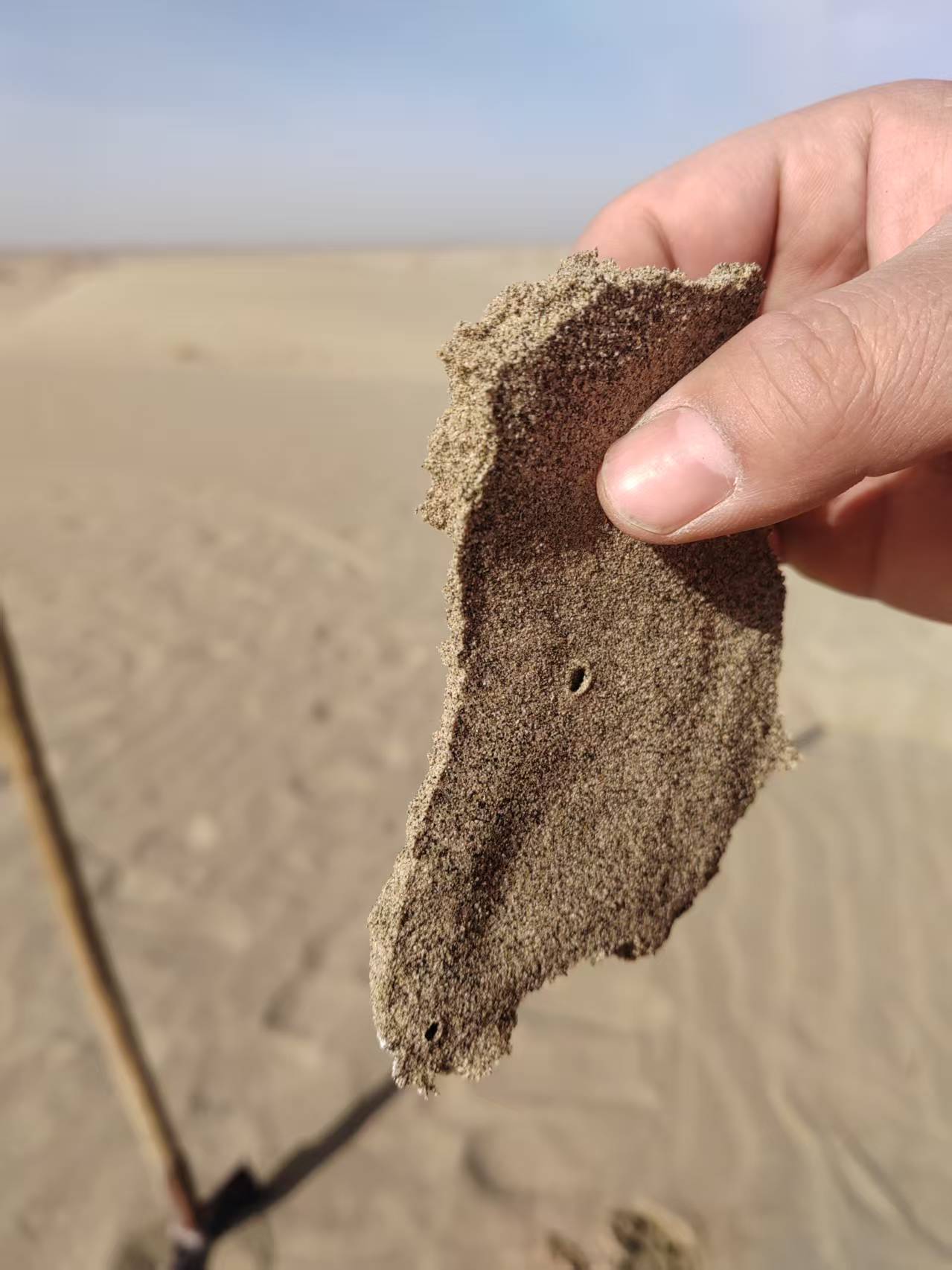
For decades, the go-to solution for dust control on unpaved roads and construction sites revolved around synthetic resins and petroleum-based binders. These formulations—think acrylic polymers, lignin sulfonates, or asphalt emulsions—create a durable crust by physically gluing soil particles together. While effective in the short term, they often introduce a host of environmental headaches: poor biodegradability, potential groundwater contamination, and a heavy carbon footprint tied to their production. The classification of suppressants historically hinged on whether they were hygroscopic salts, organic binders, or film-forming resins, but the real-world performance gap between lab tests and field results kept the debate alive on what truly defines a sustainable dust suppressant.
A quiet revolution has been reshaping that classification landscape. Biopolymers—derived from chitosan, starch, cellulose, or even agricultural waste—now offer a compelling alternative that doesn’t just suppress dust but also enriches the treated soil. Unlike their synthetic predecessors, these materials work by forming entangling networks that respond dynamically to moisture changes, often boosting the soil’s cohesion without sealing it into an impermeable shell. This shift blurs the old categories: a suppressant can be both a binder and a soil conditioner, breaking free from the rigid “synthetic vs. natural” dichotomy. Today, forward-looking classifications weigh factors like life-cycle toxicity, source renewability, and even byproduct valorization alongside cracking resistance and longevity, marking a true evolution from the one-size-fits-all resin era to a nuanced, ecology-aware framework.
How Polymers Outperform Water and Salts in Harsh Conditions
When temperatures swing wildly or corrosive elements dominate, water and salts often fall short as reliable mediums. Polymers, by contrast, exhibit a molecular resilience that defies such extremes. Their long, intertwined chains create a structural integrity that resists breakdown where simpler molecules fail. Instead of evaporating or crystallizing under thermal stress, polymer networks maintain their functional shape, absorbing mechanical shocks without sacrificing performance. This inherent flexibility makes them indispensable in coatings, sealants, and advanced composites that must endure punishing industrial or outdoor settings.
Beyond mere endurance, polymers can be chemically tailored to repel specific threats. While salts dissolve and water freezes at predictable thresholds, engineered polymers shrug off acidic environments, UV radiation, and oxidative attacks. Cross-linking density and monomer selection allow scientists to embed barriers against chemical erosion directly into the material’s backbone. This level of customization turns a generic polymer into a high-performance solution—think of deep-sea equipment resisting saltwater intrusion or aerospace components facing rapid pressure changes—scenarios where conventional fluids would instantly lose their utility.
Another overlooked advantage is the weight-to-protection ratio. Water’s bulk and salt’s corrosive baggage often demand heavy, secondary containment systems. In contrast, polymer layers add minimal mass while delivering robust insulation or corrosion inhibition. This dual role simplifies design and extends the lifespan of equipment exposed to aggressive media. Whether lining a chemical storage tank or coating a drill bit for geothermal exploration, polymers offer a cleaner, more efficient path to reliability than their traditional counterparts, rewriting the rules of material endurance where harshness is the norm.
Critical Use Cases: Haul Roads, Stockpiles, and Tailings Management
Haul roads form the circulatory system of any mining operation, carrying massive loads between extraction points and processing facilities. Their integrity directly influences fuel consumption, equipment longevity, and overall site safety. A well-maintained surface reduces rolling resistance, which can cut fuel use by a notable margin while also minimizing wear-and-tear on haul truck tires and suspension components. Frequent grading, dust suppression, and strategic material selection for road surfacing are non-negotiable practices. Overlooking these elements leads to rapid deterioration, creating potholes and corrugations that slow cycles, increase maintenance costs, and elevate the risk of accidents. In essence, haul road quality isn’t just about smooth travel—it’s a foundational factor in cost control and operational reliability.
Stockpiles are far more than static piles of material; they are dynamic buffers that demand careful design to prevent segregation, contamination, and instability. The way material is stacked and reclaimed can dramatically affect downstream processing efficiency. For instance, improper stacking techniques often cause fine and coarse particles to separate, leading to inconsistent feed grades and recovery challenges in the mill. Beyond grade control, stockpile geometry must account for drainage and slope stability to avoid costly failures or environmental releases. Regular monitoring with survey tools or drone technology helps track volume changes and detect early signs of movement. Thoughtful stockpile management ensures that when the time comes to feed the plant, the material meets specifications—keeping the operation humming along without unexpected hiccups.
Tailings management presents some of the most complex engineering and environmental hurdles in mining. These fine-grained byproducts require robust containment and long-term stewardship to safeguard surrounding ecosystems and communities. Methods vary from conventional slurry impoundments to filtered dry stacking, each with distinct advantages depending on site conditions, water availability, and regulatory demands. The shift toward dry stacking, for example, reduces water consumption and dam failure risks but demands higher upfront capital. Regardless of the technique, key challenges include preventing seepage, managing water balance, and planning for closure from the very start. A proactive approach—embedding monitoring instrumentation, conducting regular audits, and designing for extreme weather—can mean the difference between a controlled, low-impact facility and a catastrophic breach.
Eco-Friendly and Cost-Effective: The Real-World Payoff
Switching to sustainable practices often feels like a leap of faith, but the numbers tell a different story. Companies that trim energy use or switch to recycled materials aren't just saving the planet—they're cutting operational costs in ways that surprise even the skeptics. For instance, a mid-sized manufacturer I spoke with recently swapped out traditional packaging for a biodegradable alternative, and within six months, material expenses dropped by 18%. The real payoff isn't a distant promise; it's showing up in quarterly reports, turning green initiatives into genuine competitive advantages.
Beyond the balance sheet, there's a subtler gain at play: customer trust. In a market flooded with choices, shoppers are gravitating toward brands that don't just claim to care but actually demonstrate it. I've seen local cafés ditch single-use plastics and watch their regulars double simply through word of mouth. This isn't about marketing spin—it's about aligning values with action. When eco-friendly moves hand-in-hand with affordability, the result is a loyalty loop that traditional advertising can't buy.
Yet the most compelling payoff might be resilience. Supply chains anchored in renewable resources or circular models are less rattled by price swings in raw materials. One organic farm collective I tracked weathered last year's fertilizer shortage by leaning on closed-loop composting, keeping their output steady while conventional competitors scrambled. That kind of practical, bottom-line stability is what makes eco-conscious decisions not just morally sound, but strategically brilliant for the long haul.
Application Tips for Maximum Longevity and Performance
When applying any coating or protective layer, the secret lies in preparation. A surface that’s even slightly dirty or damp will sabotage adhesion. Wipe down the area with an alcohol-based cleaner and a microfiber cloth—nothing fancy, just enough to remove oils and microscopic debris. Let it dry completely before you even think about the next step. It’s tempting to rush this part, but five extra minutes here can add months to the lifespan of the application.
Less is almost always more. Overloading the material leads to uneven curing, tacky spots, and premature peeling. Apply thin, consistent passes, holding your applicator at a constant angle. If you’re working with a liquid formula, pour a small amount into a separate tray instead of dipping straight from the bottle—cross-contamination risks ruining the whole batch. Temperature matters too; aim for a mild, dry day. Extreme heat or humidity can make the product flash off too quickly or refuse to bond properly.
Post-application patience pays off. Avoid washing, touching, or stressing the surface for at least 24 hours, even if it feels dry to the touch. Curing continues well beyond the initial set time. For the first week, be gentle during cleaning—use a pH-neutral soap and soft sponge. Regularly inspect for early signs of wear, like micro-cracks or dullness, and address them before they spread. A quick touch-up now prevents a full redo later.
FAQ
They are liquid formulations containing long-chain synthetic or natural polymers that, when applied to soil or aggregate surfaces, bind fine particles together to form a flexible, durable crust. Unlike water, which evaporates quickly and requires frequent reapplication, polymers create lasting cohesion through film formation and cross-linking, often lasting weeks to months with a single treatment.
The polymers work primarily through two mechanisms: coagulation and film formation. When sprayed, the polymer chains uncoil and adsorb onto dust particles, bridging them together via electrostatic and van der Waals forces. As the water carrier evaporates, the polymers coalesce into a continuous, water-insoluble film that encapsulates the particles, preventing them from becoming airborne even under traffic or wind.
They excel in areas requiring long-term dust control without frequent reapplication, such as unpaved haul roads in mining operations, construction sites with extended timelines, tailings piles, military training grounds, and agricultural fields before planting. They are also highly effective on slopes and berms where water runoff is a concern, and in arid regions where water conservation is critical.
Yes, common types include polyvinyl acetate (PVA), acrylic polymers, and biopolymer alternatives like lignin sulfonate or starch-based formulations. Selection depends on soil type, traffic loads, expected lifespan, and environmental regulations. For example, PVA forms a hard, durable crust suitable for high-traffic areas, while biopolymers may be preferred near sensitive ecosystems due to their biodegradability. Always conduct a small-scale field test to evaluate penetration and crust formation.
Once fully cured, most polymer films are water-resistant and can withstand light to moderate rain without washing away, though heavy downpours may degrade the crust over time. In extreme heat, some polymers can become brittle if not formulated with plasticizers. UV degradation is another factor; stabilized polymers with UV inhibitors maintain integrity longer. Reapplication may be needed in areas with intense sun or frequent heavy rain, but overall, they outperform water-based methods in challenging weather.
First, grade and compact the surface to remove loose debris and ensure uniform absorption. Dilute the polymer concentrate according to the manufacturer's specifications—typically with water—and apply using a spray truck with a fan nozzle for even coverage. Avoid puddling. A second light application after the first coat dries can reinforce the crust. Traffic should be minimized until the surface is fully cured, usually 24 to 48 hours depending on humidity and temperature.
Most modern formulations are non-toxic and biodegradable, but it depends on the specific chemistry. Synthetic polymers like PVA are generally inert once cured, while biopolymers break down naturally. Always verify that the product meets local environmental regulations. Avoid application near open water bodies to prevent aquatic toxicity from concentrated runoff. When properly applied, they have minimal impact on vegetation, and some even help retain soil moisture, benefiting seed germination.
The initial cost per square meter is higher than water spraying or chloride salts, but the extended longevity drastically reduces labor, water usage, and equipment hours. Over a month, polymer treatment can cut total dust control expenses by 30–50% compared to daily water trucks, especially in remote areas where water is scarce or expensive. Factoring in reduced road maintenance and health benefits from lower dust exposure further improves the return on investment.
Conclusion
Polymer-based dust control agents operate through a fascinating molecular mechanism that sets them apart from traditional methods. Unlike water, which simply wets the surface and evaporates quickly, or salts that draw moisture from the air but can be corrosive and short-lived, these liquid polymers form long-chain molecules that physically bind soil and aggregate particles together. When applied, they create a flexible, durable crust that withstands wind erosion and vehicle traffic. The chemistry varies from synthetic resins like polyvinyl acetate to natural biopolymers such as lignin or guar gum, each tailored for specific environments—biopolymers often preferred for their biodegradability in ecologically sensitive areas. This binding action works at the particle level, essentially gluing fines into a cohesive mat that remains effective even under harsh sun, heavy rain, or freezing temperatures, drastically outperforming water and salts in longevity.
In practice, these agents prove invaluable across mining, construction, and agriculture. On haul roads, a well-chosen polymer can slash water truck trips by over 90%, cutting fuel costs and maintenance while improving safety. Stockpiles of coal or ore stay intact during storms, preventing material loss and airborne pollution. Tailings ponds benefit from a clear crust that suppresses toxic dust without leaching harmful chemicals. The real-world payoff extends beyond compliance: longer intervals between reapplications mean less labor and product, while reduced dust improves worker health and equipment lifespan. For best results, proper ground preparation and even application are key—dilution rates, spray patterns, and curing time must match the site’s specific soil type and climate. With careful planning, polymer dust control delivers a rare blend of environmental responsibility and hard-nosed economics.
Contact Us
Contact Person: Helen
Email: [email protected]
Tel/WhatsApp: 86 18630661160
Website: https://www.roadmilestone.com/