

Phenylacetonitrile Intermediate Export: Unlocking Global Pharmaceutical Supply Chain Opportunities
2026-07-28
The global pharmaceutical industry thrives on a delicate web of intermediates, where a single bottleneck can disrupt entire supply chains. Phenylacetonitrile, a vital building block for APIs and agrochemicals, is quietly powering innovation—but its export dynamics are reshaping market strategies. At DSL Chemicals, we see beyond the molecule: this is about unlocking resilient, cost-effective pathways in a volatile world. Dive into how strategic phenylacetonitrile intermediate export is rewriting the rules of global pharma sourcing.
Why Phenylacetonitrile Is the Unsung Hero of Pharma Supply Chains
In the sprawling network of pharmaceutical logistics, few substances carry as much quiet authority as phenylacetonitrile. This simple aromatic compound slips through the cracks of public awareness, yet it anchors the production of countless essential drugs. Without it, the synthesis of widely prescribed antihistamines, analgesics, and even certain cardiovascular medications would grind to a halt. Its role isn't flashy—just a colorless liquid with a faint almond odor—but its absence is felt immediately when supply lines strain.
What makes phenylacetonitrile truly remarkable is its versatility as a chemical building block. It serves as a precursor to phenylacetic acid and its derivatives, which in turn become benzylpenicillin, a cornerstone antibiotic. Beyond that, it weaves its way into the manufacture of antidepressants and stimulants, acting as a quiet orchestrator behind therapeutic effects. The compound’s reactivity allows chemists to fashion complex molecules with precision, making it indispensable in both high-volume generic production and niche specialty medicines.
Yet this hero faces constant threats from regulatory pressures and supply chain volatility. Classified as a controlled substance precursor in many regions, it sits at the intersection of legitimate pharmaceutical need and diversion risk. Manufacturers must navigate strict licensing, limited supplier bases, and geopolitical tremors that can upend availability. Despite these hurdles, the industry has learned to adapt—stockpiling, diversifying sources, and innovating synthetic routes—proving that even an unsung hero commands a resilient following when patient health hangs in the balance.
Navigating Global Demand: The Rising Export Wave of Phenylacetonitrile
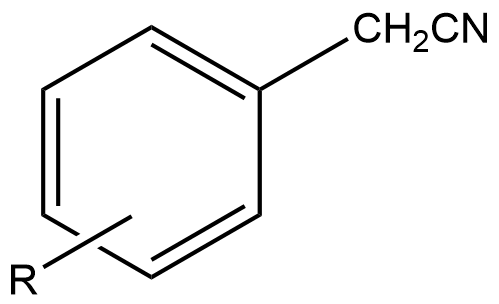
The surge in global orders for phenylacetonitrile has caught many producers off guard, pushing the chemical from niche applications into mainstream visibility. Its role as a key intermediate in synthesizing pharmaceuticals – particularly vitamin B1 and certain antibiotics – has anchored steady demand, but the real shift came as agrochemical manufacturers discovered its effectiveness in designing novel pesticides. This dual pull from health and agriculture sectors transformed export dynamics, with traditional buyers scrambling to secure supply chains that stretch across continents.
Shifts in geopolitical trade alignments have further amplified the export wave. Regions once reliant on a handful of suppliers are now actively diversifying their sourcing, opening doors for new players in the phenylacetonitrile market. This realignment isn't just about price wars; it's about consistency in purity grades and adherence to tightening environmental regulations during synthesis. Exporters that have invested in cleaner catalytic processes are finding themselves with a clear edge, as import partners increasingly scrutinize the carbon footprint of their chemical supply chains.
Looking ahead, the race to meet escalating global demand hinges on scalable production and logistics resilience. Spot shortages have already appeared when major production hubs faced seasonal shutdowns or energy crunches, reminding the market how tightly balanced supply and demand have become. Companies that can guarantee on-time delivery, transparent specifications, and regulatory compliance are not merely riding the export wave – they are actively shaping its direction, turning a temporary spike into a long-term structural upswing for phenylacetonitrile trade.
From Lab to Logistics: Ensuring Quality in Intermediate Shipments
The journey of a pharmaceutical intermediate doesn't end at lab-scale synthesis; it truly begins when the compound leaves the controlled confines of development and enters the complex logistics network. Maintaining the delicate balance of chemical stability, purity, and sterility during transit requires a proactive strategy that bridges the gap between R&D and supply chain management. Every shipment, whether by air, sea, or land, exposes the intermediate to variables like temperature fluctuations, humidity, vibration, and time delays—each a potential threat to product integrity.
Quality assurance for intermediate shipments hinges on a trio of critical pillars: robust packaging protocols, real-time environmental monitoring, and comprehensive handling guidelines. Packaging must go beyond mere containment; it often involves multiple layers of protection, from inert gas blanketing to vacuum-sealed secondary containers and thermally insulated overpacks. Simultaneously, embedded data loggers and smart sensors track and record conditions throughout the journey, providing an auditable trail that verifies compliance. This data-centric approach not only safeguards the current payload but also fuels continuous improvement in logistics planning.
Ultimately, ensuring quality from lab to logistics is a collaborative effort that unites chemists, quality engineers, and logistics specialists around a shared goal: delivering an intermediate that performs exactly as validated. By anticipating risks through failure mode analysis and establishing contingency plans—such as alternative routes, emergency temperature control measures, and predefined acceptance criteria at handover points—companies transform shipping from a vulnerable step into a controlled extension of the manufacturing process. The result is a seamless chain of custody where the intermediate arrives not just on time, but with its critical quality attributes intact.
Breaking Barriers: Overcoming Regulatory Hurdles in Cross-Border Trade
Navigating cross-border regulations often feels like piecing together a puzzle where the rules shift without warning. Small missteps in paperwork or product classification can spiral into costly delays, turning a promising shipment into a logistical nightmare. The path forward involves not just understanding the letter of the law, but anticipating how customs officials in different jurisdictions might interpret it on any given day.
Building strong relationships with local partners proves invaluable here. They grasp the informal norms and unspoken expectations that no official document outlines. Meanwhile, digitizing compliance workflows—not as a one-size-fits-all solution, but as a flexible framework—helps teams react when a trade agreement update or a sudden tariff change catches everyone off guard. Proactive monitoring of regulatory shifts, combined with a willingness to adapt, transforms compliance from a burden into a competitive edge.
Strategic Sourcing: How Phenylacetonitrile Strengthens Pharma Production Networks
Phenylacetonitrile serves as a critical intermediate in the synthesis of numerous active pharmaceutical ingredients, including certain antibiotics and anticonvulsants. Its role as a building block in complex organic reactions places it at the heart of many production workflows. Securing a consistent, high-purity supply of this compound is therefore not just a procurement task but a strategic necessity for manufacturers aiming to maintain uninterrupted operations and meet regulatory standards.
A well-structured sourcing strategy for phenylacetonitrile involves evaluating suppliers beyond price competitiveness. Factors such as manufacturing capability, quality assurance protocols, and logistics reliability become paramount. By fostering long-term partnerships with trusted vendors, pharmaceutical companies can mitigate risks associated with raw material shortages, geopolitical disruptions, or sudden spikes in demand. This approach turns the supply chain into a resilient backbone rather than a vulnerable link.
Integrating phenylacetonitrile procurement into broader production planning also opens avenues for process optimization. Close collaboration with suppliers can lead to tailored specifications, joint development of more efficient synthetic routes, or advance notification about market shifts. Over time, such strategic alignment helps reduce waste, lower overall costs, and accelerate time-to-market for new therapies—strengthening the entire pharmaceutical production network from lab to patient.
The Future Landscape: Innovation and Expansion in Intermediate Exports
The evolution of intermediate exports is increasingly tied to breakthroughs in digital manufacturing and logistics. Suppliers are embedding smart sensors into components, enabling real-time tracking and quality monitoring that was unimaginable a decade ago. This shift isn't just about efficiency—it's rewriting the rules of cross-border collaboration. A turbine blade shipped from Germany to Vietnam now carries data streams that adjust assembly parameters automatically on arrival. Such integration blurs the line between physical goods and digital services, pushing intermediate trade into a new era where value is co-created across borders in milliseconds.
Beyond technology, the geographic canvas of intermediate exports is stretching in unexpected directions. While China and Southeast Asia have long dominated, places like Ethiopia and Bangladesh are carving out niches in specialized textiles and electronics subassemblies. Their rise is fueled not by low wages alone, but by targeted investments in modular training systems and renewable-powered industrial parks. Meanwhile, nearshoring trends in the Americas are prompting Mexico and Colombia to develop highly adaptive supply chains that can switch between product lines within days. These shifts hint at a more distributed, resilient model—one where smaller players gain footing by mastering narrow slices of the value chain rather than chasing scale.
Regulatory frameworks are also becoming a catalyst rather than a hurdle. Forward-looking trade agreements now include dedicated chapters on digital product passports and interoperable standards for components. This reduces friction for innovations like battery-as-a-service models, where intermediate exports include not just the physical cell but also the software and failure prediction algorithms. As carbon border adjustments take hold, exporters who embed lifecycle tracking into their intermediate products stand to gain preferential access. The future landscape, then, is one where innovation and expansion feed each other—new ideas open markets, and wider markets demand constant reinvention.
FAQ
It serves as a critical building block for a range of active pharmaceutical ingredients, especially in the production of anticoagulants, antihistamines, and certain cardiovascular drugs. Its nitrile and aromatic structure allows versatile chemical transformations that are hard to replicate with other intermediates.
Manufacturers have moved away from single-source dependencies and are now building regional buffer stocks and qualifying multiple suppliers. The shift is driven by past disruptions, prompting firms to treat phenylacetonitrile as a strategic material rather than a commodity, with supply chain mapping extending back to feedstock origins.
India, Germany, and the United States top the list due to their large generic drug and fine chemical sectors. India’s strength in cost-effective API synthesis, Germany’s specialty pharma production, and the U.S.’s demand for advanced intermediates all create consistent pull. Emerging markets in Southeast Asia are also climbing as they expand domestic formulation capabilities.
Beyond standard purity levels above 99%, buyers often require detailed impurity profiles, residual solvent analyses, and certificates of analysis aligned with pharmacopoeia monographs. Many contracts now also stipulate compliance with ICH Q7 guidelines for active pharmaceutical ingredients, even if the material is technically an intermediate.
Its classification as a hazardous chemical under various transport regulations adds complexity. Proper IMO labeling, UN packaging, and temperature-controlled containers for heat-sensitive routes are essentials. Seasoned exporters pre-clear documentation with destination authorities and use validated thermal blankets or active cooling to prevent degradation during tropical port stops.
Since benzyl cyanide is the primary upstream material, any shortage or price spike in toluene or sodium cyanide ricochets quickly. Exporters mitigate this through long-term supply agreements with feedstock producers and by hedging with alternative synthetic routes. However, when crude oil markets swing, these tactics only partially cushion the impact.
Continuous flow chemistry and enzymatic nitrile synthesis are gaining traction, offering higher yield and lower waste compared to traditional batch processes. Exporters who license these technologies can reduce production costs and improve purity, potentially displacing conventional manufacturers. Additionally, blockchain for chain-of-custody documentation is starting to attract premium pharma clients.
Bilateral and regional trade pacts can abruptly shift sourcing patterns. For instance, preferential duties under ASEAN-India agreements have encouraged Indian buyers to source from Southeast Asian producers. Meanwhile, anti-dumping investigations between major trading partners periodically disrupt established routes, forcing exporters to maintain flexible distribution networks.
Conclusion
Phenylacetonitrile may not be a headline-grabber, but within pharmaceutical supply chains it serves as a quiet workhorse. This intermediate is a building block for numerous active pharmaceutical ingredients, particularly those addressing cardiovascular, neurological, and psychiatric conditions. Its versatility and consistent demand have made it a staple in drug manufacturing worldwide. Recently, a surge in export activity has highlighted new opportunities, as both mature and emerging markets seek reliable sources to feed their production lines. Shifts in global trade patterns and increasing regional manufacturing capabilities are driving a wave of phenylacetonitrile shipments, turning a once-overlooked chemical into a strategic commodity.
Capitalizing on this momentum, however, requires more than just ramping up output. Ensuring quality from laboratory synthesis to final logistics demands stringent process controls and cold-chain expertise for sensitive intermediates. At the same time, exporters must navigate a patchwork of regulatory standards and tariff barriers that vary sharply by region, often turning compliance into a competitive differentiator. Smart players are embedding strategic sourcing into their networks, using phenylacetonitrile access to build more resilient and cost-efficient production webs. Looking forward, advances in green chemistry and catalytic processes, combined with smarter supply chain digitalization, promise to expand the intermediate's role and unlock even greater cross-border value, cementing its place in the future pharmaceutical landscape.
Contact Us
Contact Person: Wei Zhang
Email: [email protected]
Tel/WhatsApp: 862163529955
Website: https://www.dslchem.com