

PETG Bottle Supplier Providing High-Clarity and Impact-Resistant Packaging
2026-09-05
Ever unboxed a bottle that looked flawless online but arrived clouded or cracked? That gap between expectation and delivery is where most packaging promises fail. PETG changes the equation—it pairs high clarity with impact resistance that protects both product and brand perception. Zhejiang Haitong Plastic Industry Technology Co., Ltd. has built its supply around that exact combination, helping brands ship with confidence. Below, we break down the qualities that separate a dependable PETG bottle partner from a costly gamble.
Seeing Is Selling: PETG Clarity That Puts Products First
Retail shelves reward materials that refuse to hide. With PETG, the barrier between customer and product disappears almost entirely—colors stay true, edges stay crisp, and every label or cap detail reads instantly. That kind of clarity does more than look clean; it shortens the distance from glance to grab.
Most packaging plastics force a compromise: tough enough to survive shipping, or clear enough to showcase what's inside. PETG removes that trade-off. It offers glass-like transparency with impact resistance that keeps products intact from warehouse to checkout, so the first impression stays as sharp as the final one.
Where frosted films and tinted resins mute a product's appeal, PETG lets packaging step back and let the product speak. That quiet confidence shows up in higher perceived value, fewer returns driven by unmet expectations, and repeat purchases from buyers who trust what they can actually see.
Tough Enough for Transit, Clear Enough for Retail
Shipping a display panel across a warehouse floor isn't gentle. Forklifts jostle pallets, conveyor belts jerk to a stop, and stacked boxes absorb every vibration from uneven concrete. This material shrugs off those impacts without cracking, warping, or developing micro-fractures that would later show up as hazy patches. It holds its shape through temperature swings in unheated trucks and humid loading docks, so what arrives at the store is the same flat, intact sheet that left the factory.
On the retail floor, clarity is non-negotiable. A customer leaning in to inspect a product doesn't want to peer through a fogged or scratched barrier. The optical finish here stays crisp under bright display lights, with low haze and high light transmission that keeps colors true and edges sharp. Even after repeated cleaning with standard glass sprays, there's no dulling or rainbow streaking, just a transparent surface that practically disappears.
Most materials force a trade-off: impact resistance usually means a cloudy, flexible plastic, while optical purity often comes with brittleness. This one bridges that gap by pairing a hardened surface with an internal structure that absorbs energy instead of transmitting it. That means fewer replacements from transit damage and fewer customer complaints about obscured merchandise, a combination that quietly saves money while keeping the product front and center.
When Packaging Needs to Survive the Drop Test
A package's worst moment often comes when it leaves the conveyor belt and meets the warehouse floor. That sudden, unplanned impact reveals everything about the choices made upstream—whether the corrugated board was double-walled or single, whether the void fill actually held the product in place, or whether the tape pattern was generous enough to keep the flaps from popping open. Drop tests aren't about perfection; they're about finding the failure points before a customer does, and then deciding if those failures are acceptable or worth redesigning around.
The real insight from repeated drop testing is rarely about the box itself. It's about the relationship between the product's weight distribution, the internal cushioning geometry, and the orientation at impact. A package that survives a flat drop from four feet might split open when it lands on a corner, simply because the corner concentrates force into a tiny area. Watching slow-motion footage changes how you think about edge protectors, foam density, and the seemingly minor decision of where to place the heaviest component inside the carton. Each test run teaches you something specific, but only if you're willing to look past the headline pass or fail result.
There's also a quiet art to interpreting drop test data without over-engineering. You could build a crate that survives a ten-foot fall, but that would double the shipping weight and triple the cost. The goal is calibration—matching the packaging's toughness to the realities of the journey, from automated sorting hubs to the final porch drop. That means testing at realistic heights, in realistic orientations, and with a clear sense of what kind of damage actually matters for the product inside. Sometimes the best outcome is a package that fails gracefully, absorbing the impact exactly as intended, leaving the contents untouched while the outer carton shows the scars of its journey.
A Bottle That Shows the Product, Not the Scratches
There's a familiar disappointment when a bottle that started out crystal clear slowly turns cloudy with fine scratches. This one takes a different approach. The surface is treated to shrug off the everyday scrapes that come from being tossed in a bag, set on counters, or handled with rings on. The result is a bottle that keeps its transparency long after others have gone hazy.
The real point isn't just durability for its own sake. It's that the product inside remains visible exactly as intended. Whether it's a tinted serum, a bright cleaning fluid, or a richly colored beverage, you see the true shade and texture without a layer of wear getting in the way. That matters more than people expect, especially when a slight color shift or a dulled surface can make something look old before its time.
In daily use, this means less time wiping down the bottle to make it presentable and more confidence that what's on the shelf looks as good as what's inside. There's no need for constant polishing or careful handling. The bottle simply continues to show the product, not the scratches.
Choosing a Supplier Who Understands Durability and Detail
Durability rarely announces itself on a spec sheet. It lives in the seams, the finish, and the way a component holds up after six months of daily use. A supplier who truly understands this will ask about your operating conditions before quoting a price. They will bring up temperature shifts, repeated stress, or exposure to moisture without being prompted. When those questions come before the order, it is a sign they are building for years of service, not just a pass on the first inspection.
Detail shows up in the small moments of communication. The supplier references your exact revision number without checking. They remember a change you mentioned two calls ago, or they flag a mismatch between your specification and the material's real-world behavior. Those are not accidental habits. They come from treating your project as their own, and they often reveal more about reliability than any certificate can.
You are not just buying a product; you are buying the judgment behind it. A supplier who respects durability and detail will recommend a stronger thread here or a better sealant there, even if it adds work on their side. That kind of advice saves money long after the invoice is paid. It is the difference between a vendor who fills orders and a partner who prevents problems.
PETG Bottles: The Quiet Workhorse Behind Premium Brands
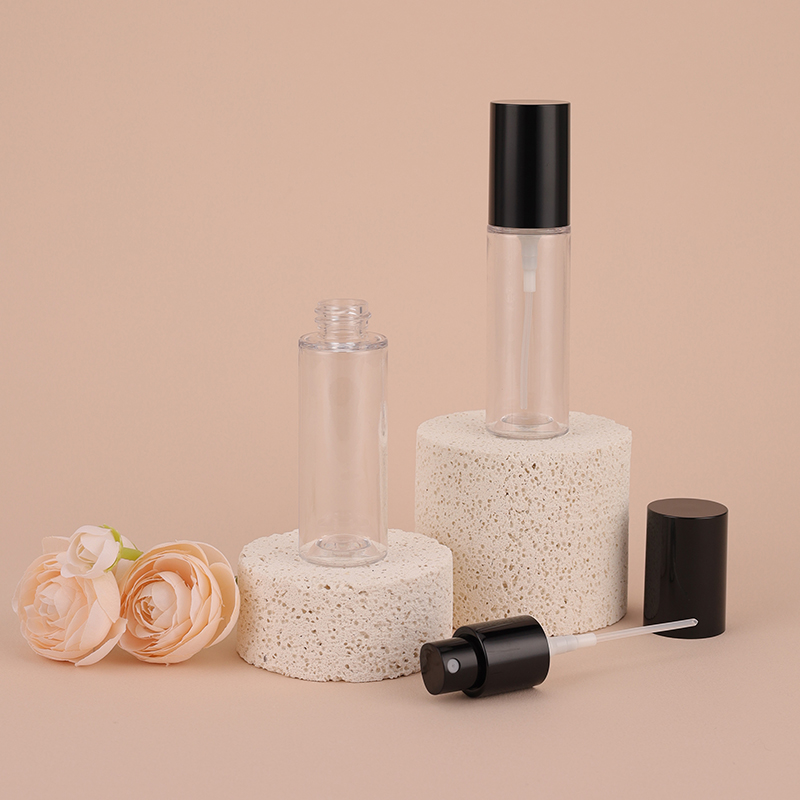
PETG bottles rarely get the spotlight, yet they carry much of the premium packaging world on their shoulders. Walk through any high-end cosmetics aisle or boutique skincare section and you'll see them—crystal-clear containers that feel substantial in the hand but won't shatter like glass. Brands choose PETG because it offers a near-glass transparency with far fewer risks during shipping and daily use. It's that quiet reliability that makes it a favorite for serums, lotions, and even niche beverage lines where the product itself needs to be the star.
Beyond looks, PETG brings practical advantages that premium brands quietly depend on. It resists many oils, alcohols, and acidic formulations without hazing or degrading, so a luxury face oil stays as pristine inside the bottle as the day it was filled. The material also takes well to intricate molding, allowing designers to create soft-touch finishes, thick bases, or unique silhouettes that signal quality without adding excessive weight. For brands, this means fewer breakage returns and more design freedom, all while keeping the focus on the formula inside.
Sustainability also plays a growing role. While PETG isn't perfect, it is widely recyclable in many municipal streams and offers a lighter alternative to glass, reducing fuel use in transport. Premium doesn't have to mean fragile or wasteful, and PETG quietly proves that point every time a customer twists open a beautifully weighted bottle and finds the product exactly as intended.
FAQ
PETG offers a rare mix of glass-like transparency and real toughness. It resists impact far better than standard PET and won't develop the cloudy stress marks you often see in HDPE after flexing or dropping.
They perform consistently across a wide temperature range and don't become brittle in cold storage or fog up excessively in high-humidity environments. This makes them reliable for items stored in refrigerated displays or shipped through varied climates.
Yes, color concentrates and surface treatments can be applied while retaining the core impact resistance and clarity where needed. A frosted or tinted version still keeps the same toughness as the clear version.
They're widely used for personal care, cosmetics, food ingredients, and pharmaceutical liquids where the product needs to look premium and survive rough handling. Anything that benefits from a clear view and a strong shell is a good fit.
Food-grade PETG resins are available and can meet FDA and EU requirements for direct contact. You'll want to confirm the exact grade with the supplier, but many stock options are already certified for consumables.
Most suppliers offer common neck finishes like 24/410, 28/410, and 18/415, which work with standard closures. You can request a sample or ask for a neck finish chart before committing to a larger order.
Many suppliers have low minimum order quantities for stock designs, and custom molds can sometimes be amortized across a few thousand units. It's worth asking about flexible production schedules rather than assuming a massive upfront commitment.
PETG retains its transparency well through standard washing and some sterilization methods, though autoclaving at very high temperatures may not be recommended. For most liquid filling and cleaning processes, it won't lose its clear look quickly.
Conclusion
A PETG bottle rarely shouts for attention, but it does something more valuable: it lets the product do the talking. The clarity is the first thing buyers notice, with no milky haze or color shift to dull a label or formula. That visual honesty turns a shelf glance into a sale. Just as important is the bottle's ability to shrug off handling. Drop a filled PETG container on a warehouse floor and it tends to bounce rather than crack. That impact resistance means fewer losses in transit and fewer returns from customers who expect packaging to protect what's inside.
Scratches are another story. Cheaper plastics start to look cloudy after a few trips through the supply chain, but PETG holds its surface longer, so the product still looks fresh on the shelf and the bottle doesn't become the reason a buyer walks away. A supplier who knows this pays attention to wall thickness, neck finish, and base design, not just material specs. Those details are what separate a bottle that works from one that fails a drop test or leaves micro-cracks around the cap. Behind many premium brands, PETG is the quiet workhorse: clear enough for retail, tough enough for real-world logistics, and detailed enough to keep the whole package looking intentional. That combination is what a good supplier delivers consistently, batch after batch.
Contact Us
Contact Person: Kara Yang
Email: [email protected]
Tel/WhatsApp: 8618857568397
Website: https://www.haitongplastic.com/