PEG-20 Glyceryl Triisostearate Manufacturer in China: Premium Quality for Cosmetic Formulations
2026-07-13
Behind every luxuriously smooth serum or perfectly balanced cleanser lies a key ingredient many formulators quietly obsess over. PEG-20 Glyceryl Triisostearate—a gentle yet powerful emollient and solubilizer—shapes texture, stability, and skin feel in ways consumers instantly love. But sourcing it at premium quality without supply chain headaches? That’s where MingYa is rewriting the rules. As one of China’s most trusted specialized manufacturers, MingYa produces this versatile ester with exceptional purity and batch-to-batch consistency, helping cosmetic brands elevate their creations from good to unforgettable. So what makes their PEG-20 Glyceryl Triisostearate different—and why are more formulators turning to MingYa for that competitive edge?
The Role of PEG-20 Glyceryl Triisostearate in Modern Cosmetics
PEG-20 Glyceryl Triisostearate operates as a quiet workhorse in countless modern formulations, bringing together oil and water phases that would otherwise separate. Derived from glycerin and isostearic acid, its structure is modified with polyethylene glycol chains to boost water compatibility, making it a remarkably efficient non-ionic emulsifier. Unlike harsher surfactants, it creates stable, uniform blends without stripping the skin, a balance that contemporary chemists prize when developing everything from milky cleansers to silky moisturizers.
Beyond its emulsifying talents, the ingredient transforms product texture into something memorably lightweight. It imparts a dry, velvety slip that vanishes without leaving a greasy film, a sensation often compared to luxury silk. This happens because the branched isostearate chains create a thin, breathable layer on the skin rather than a heavy seal. For consumers, that means moisturizers feel plush and cushiony rather than suffocating, while rinse-off items like cleansing balms melt away makeup without the dreaded post-wash tightness.
Its gentle profile explains why modern brands lean on it for sensitive-skin and hybrid formulas. PEG-20 Glyceryl Triisostearate rarely triggers irritation and remains stable across a broad pH range, making it a safe bet for delicate eye areas, acid toners, and vitamin C serums. You’ll also find it surfing the wave of water-based cleansing trends, suspending oil droplets in micellar waters and dissolving waterproof mascara in gel-to-oil textures. As transparent, sensorial products keep winning shelf space, this multifaceted emulsifier stays indispensable—not by chasing hype, but by quietly getting the job done.
Inside Our Precision Manufacturing and Quality Assurance
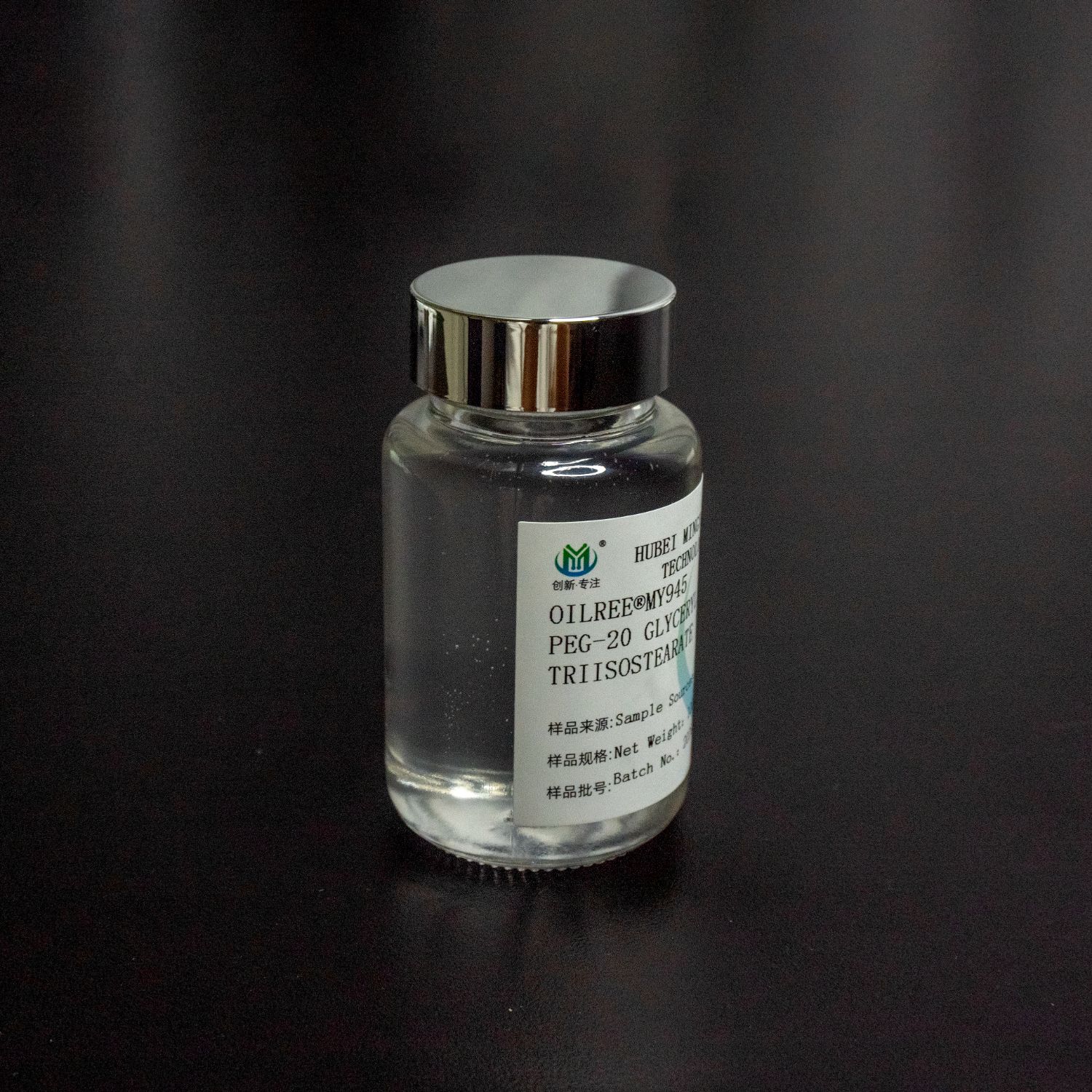
Every component that leaves our facility carries the weight of decades of accumulated know-how. Our manufacturing floor isn’t just a collection of machines—it’s a calibrated ecosystem where CNC systems, laser metrology, and real-time process monitoring work in unison. We don’t rely on post-production fixes; instead, tolerance control begins at the material stage and follows each part through every operation.
Quality assurance here means more than final inspection. It’s a layered protocol embedded directly into production: statistical process control governs tool wear, automated optical inspection catches deviations the human eye might miss, and a dedicated team physically verifies critical dimensions on every batch. This blend of automation and hands-on scrutiny is what turns precision from a specification into a given.
Why China Leads in Specialty Cosmetic Ingredient Production
China's dominance in specialty cosmetic ingredient production stems from its deep-rooted botanical heritage and modern scientific integration. For centuries, traditional Chinese medicine has cataloged thousands of plant-based compounds, many now validated by contemporary cosmeceutical research. This unique bridge between ancient wisdom and advanced extraction technologies allows Chinese manufacturers to offer ingredients with proven bioactivity—such as snow mushroom polysaccharides for superior hydration or centella asiatica extracts for skin repair—that resonate with the global clean beauty movement. Unlike synthetic alternatives, these nature-derived specialties are cultivated and processed within regional ecosystems, ensuring a reliable supply chain from field to formulation.
The country's competitive edge is further sharpened by massive investment in biotechnology and green chemistry. Industrial parks dedicated to cosmetic ingredients, particularly in the Yangtze River Delta, house state-of-the-art fermentation and supercritical CO2 extraction facilities. This infrastructure enables the efficient production of high-purity actives like ergothioneine, a powerful antioxidant sourced from mushrooms, at scales and costs that few other nations can match. Additionally, China's flexible manufacturing networks allow rapid customization for global brands, turning niche ingredients into scalable commercial successes without sacrificing quality or sustainability certifications.
A less visible but critical factor is China's evolving regulatory landscape, which now facilitates faster ingredient approvals for those with established safety profiles in traditional use. Combined with a culture of rapid iteration and market responsiveness, Chinese producers can quickly pivot to emerging trends—whether it's microbiome-friendly ferments or adaptogenic botanicals—long before Western competitors. This agility, built on a foundation of raw material abundance and technical prowess, ensures that China not only meets current demand but actively shapes the future of specialty cosmetic ingredients.
Custom Formulation Support for Unique Product Lines
Every product line carries its own identity, and off-the-shelf formulas rarely capture that distinctiveness. We work directly with brands to decode the nuances of their vision—whether it's a specific texture, a rare active ingredient, or a sustainability constraint—and build a formula from the ground up. Our approach isn’t about tweaking existing bases; it’s about listening, experimenting, and creating a signature that only your line can claim.
Flexibility sits at the core of this process. Need a preservative-free system that still holds up under tropical climates? A vegan ceramide complex that mimics the skin-identical version? We thrive on constraints that others might call impossible. Our labs prototype rapidly, testing not just performance but how the formula behaves across your entire supply chain—from manufacturing tolerances to consumer handling. That means fewer surprises at scale and a quicker path from idea to market.
Regulatory hurdles shouldn’t stifle creativity. We maintain a running dialogue with certification bodies and adapt formulations to meet region-specific requirements without compromise. Whether it’s a boutique skincare line needing ECOCERT standards or a functional beverage brand pushing into new territories, our team acts as an extension of yours—anticipating challenges, inventing solutions, and protecting the integrity of what makes your product line unmistakably yours.
Reliable Global Logistics and Responsive Customer Care
We understand that your shipments are the backbone of your business, which is why we’ve built a logistics network that stretches across continents without losing the personal touch. From the moment your goods leave the warehouse to their final destination, our team monitors every milestone, ensuring timely deliveries and real-time updates that keep you in the loop. No matter the distance or time zone, your cargo is treated with the same urgency and care as if it were our own.
Unexpected hurdles are part of global trade, but they don’t have to derail your operations. Our customer care specialists aren’t just support agents—they’re logistics problem-solvers who partner with you to find creative, practical solutions. Whether it’s rerouting a shipment around a storm or navigating customs clearance, you’ll always reach a real person who knows your account and acts fast. That level of attention turns one-time clients into long-term collaborators.
Behind every tracking number is a team committed to making logistics feel effortless. We combine advanced routing technology with a genuine human commitment to keep promises. When you call, you won’t find scripts—you’ll find people who listen, adapt, and follow through until the job is done. That’s what makes our global reach feel as dependable as a next-door neighbor.
Advancing Cosmetic Science with Sustainable Practices
The beauty industry has long grappled with a tension between innovation and environmental responsibility. Formulators once leaned heavily on petrochemicals and resource‑intensive processes, but a quiet revolution is reshaping the lab bench. Today, cosmetic science is embracing a new ethos—one that doesn’t just reduce harm but actively seeks to regenerate. This shift goes beyond swapping ingredients; it’s rethinking entire supply chains, questioning what we pour down the drain, and asking how a moisturizer can be both elegant and ecologically sound.
One compelling example lies in the rise of bio‑fermented actives. Instead of extracting compounds from endangered plants or energy‑guzzling syntheses, scientists are coaxing microorganisms to produce hyaluronic acid, peptides, and natural pigments. These fermentation tanks run on renewable feedstocks and yield high‑purity ingredients with a fraction of the land and water. Meanwhile, upcycled materials—like antioxidants from coffee fruit pulp or emollients from apple peels—are turning waste streams into performance ingredients. It’s a pragmatic kind of beauty, where efficacy and circularity reinforce each other.
What’s intriguing is that sustainable practices are also driving unexpected discoveries. By mimicking nature’s own preservative systems—think of the antimicrobial peptides in fermented foods—researchers are developing self‑preserving creams that skip synthetic additives. Packaging, too, is being reinvented not just as “eco” but as smart, with water‑soluble films and refillable aluminum that protect formulas without fossil‑fuel plastics. This isn’t a marketing trend; it’s a genuine scientific frontier where curiosity and care for the planet merge, proving that the most forward‑looking cosmetics are those that give back as much as they take.
FAQ
It's a mild, non-ionic surfactant and emulsifier derived from glycerin and isostearic acid, modified with PEG. It helps mix oil and water phases, creates smooth textures, and provides a soft skin feel without irritation.
It enhances product spreadability and absorption, leaves a velvety finish, and works well in sensitive skin products due to its low irritation potential. It also stabilizes emulsions in lotions and creams.
Chinese chemical manufacturers have invested heavily in advanced production technologies and rigorous quality control systems. Many offer consistent purity, competitive pricing, and flexible supply chains without compromising on safety standards.
You'll find it in facial cleansers, makeup removers, sunscreens, moisturizers, and hair care products. Its gentle cleansing and emulsifying properties make it suitable for even leave-on formulations.
Reputable suppliers perform thorough testing, including HPLC purity analysis, microbial checks, and heavy metal screenings. Certificates of analysis and adherence to international cosmetic regulations are key indicators.
While it's a synthetic compound, it can be used in formulations aiming for naturalness because it's derived from plant-based glycerin and fatty acids. However, it doesn't meet strict organic certification due to the PEG modification.
Check for consistent batch-to-batch quality, documentation like MSDS and COA, technical support, and the ability to provide samples for testing. A transparent supply chain is also crucial.
Yes, it's highly compatible with a wide range of oils, emollients, and active ingredients. It works well in both O/W and W/O emulsions and doesn't negatively affect the stability of most formulations.
Conclusion
PEG-20 Glyceryl Triisostearate has become a workhorse emollient in modern cosmetics, prized for its light skin feel and ability to stabilize complex formulations. Our manufacturing facility in China brings together deep technical expertise and rigorous quality control to produce this ingredient at a purity that meets the most demanding cosmetic standards. Every batch is traced from raw material sourcing through final packaging, with in-house testing that goes beyond standard assays to verify sensory properties and compatibility. China’s specialty chemical sector has matured into a hub of innovation, driven by robust supply chains and a concentration of skilled chemists who navigate global regulatory landscapes with ease. This allows us to deliver consistency that formulators rely on, whether the end product is a featherlight serum or a richly textured cream.
We work directly with cosmetic labs to tailor PEG-20 Glyceryl Triisostearate for niche applications—adjusting viscosity, HLB value, or blending with complementary emollients—so that unique product lines can move from concept to shelf faster. Our logistics network ensures that temperature-sensitive shipments reach destinations across continents without degradation, and our support team provides technical guidance in multiple languages, resolving formulation challenges quickly. Sustainability isn’t an afterthought; we’ve invested in greener synthesis pathways and responsible waste treatment, aligning with the eco-conscious direction of the beauty industry. From initial trial samples to full-scale production, the focus remains on reliable partnership and continual improvement, making every collaboration a step forward in cosmetic science.
Contact Us
Contact Person: Miss Pei
Email: [email protected]
Tel/WhatsApp: 8618620409116
Website: https://www.mingyachemicals.com/