

Oil-Immersed Transformers: Essential Guide for Efficient Power Systems
2025-12-30
Welcome to the heart of power systems, where reliability meets efficiency. In today's fast-paced world, oil-immersed transformers play a pivotal role in ensuring seamless energy distribution, yet their intricacies often remain hidden in the shadows. At Lugao, we're passionate about demystifying these essential components, offering insights that go beyond the surface to empower your operations and spark innovation. This guide will dive deep into how these transformers optimize performance, reduce downtime, and contribute to sustainable energy solutions. Get ready to uncover the secrets that make oil-immersed transformers a cornerstone of modern infrastructure—because when it comes to power, every detail counts.
Understanding the Basics of Oil-Immersed Transformers
Oil-immersed transformers are a cornerstone of electrical power distribution, leveraging mineral oil to serve dual purposes: insulation and cooling. Inside their sturdy tanks, the oil prevents electrical arcing between components while efficiently dissipating heat generated during operation. This design has stood the test of time, dating back over a century, due to its reliability in handling high voltages and heavy loads across diverse environments, from industrial plants to rural substations. The oil's properties not only enhance safety by reducing fire risks compared to some alternatives but also allow for compact designs, making these transformers a practical choice for utilities worldwide.
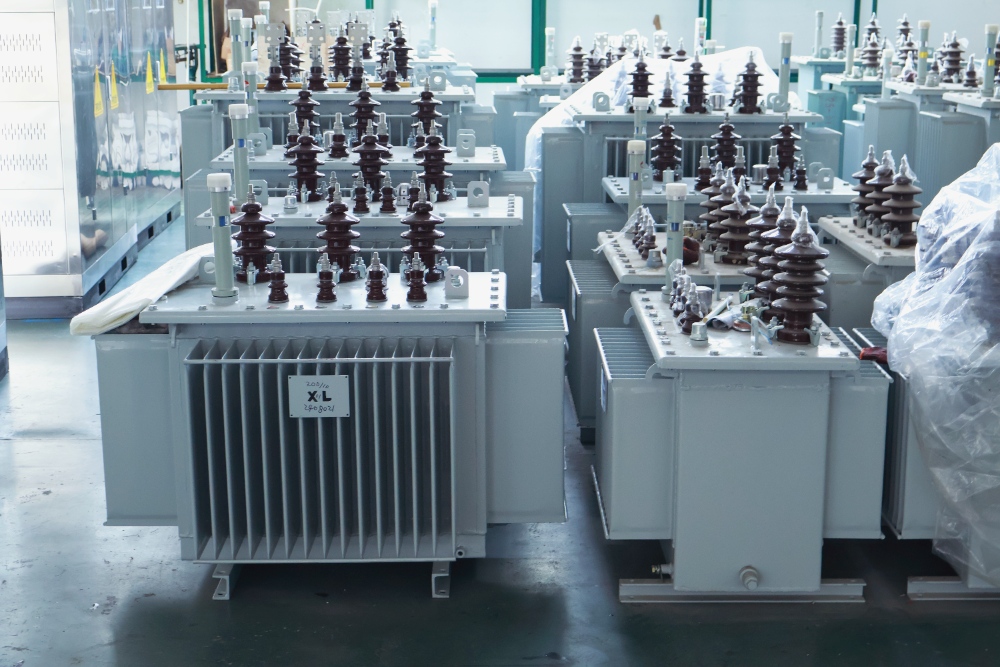
At the heart of an oil-immersed transformer lies its core-and-coil assembly, typically made of laminated silicon steel and copper windings, submerged in oil to minimize energy losses and noise. The oil circulates naturally or via pumps, transferring heat to radiators or cooling fins on the exterior, which helps maintain optimal operating temperatures. Over time, innovations like sealed systems and biodegradable oils have evolved to address environmental concerns, though the fundamental principle remains unchanged. Regular maintenance, such as oil testing and filtration, is crucial to detect issues like moisture ingress or degradation, ensuring longevity and preventing costly downtime in power grids.
Despite the rise of dry-type transformers, oil-immersed models continue to dominate applications requiring high efficiency and durability under strenuous conditions. Their ability to handle overloads and harsh climates, coupled with lower initial costs, makes them indispensable in many settings. However, users must balance these benefits with considerations like potential oil leaks and disposal challenges, driving ongoing research into safer fluids and smarter monitoring technologies. Understanding these basics empowers engineers to select and maintain transformers that support stable, efficient energy delivery for communities and industries alike.
Key Advantages in Modern Power System Efficiency
In today's rapidly evolving energy landscape, modern power systems leverage cutting-edge technologies like smart grids and renewable energy integration to enhance efficiency significantly. These advancements enable real-time monitoring and optimization of electricity flow, reducing losses and improving reliability, while also supporting demand-side management through automated controls and data analytics. By integrating distributed generation sources such as solar and wind, they foster a more resilient and sustainable infrastructure, minimizing carbon footprints and operational costs over time.
A key advantage lies in the adaptability of these systems to dynamic load changes and disruptions, thanks to innovations like energy storage solutions and IoT-based sensors. This flexibility allows for smoother peak shaving and load balancing, preventing blackouts and optimizing asset utilization without constant human intervention. Additionally, the use of AI-driven algorithms facilitates predictive maintenance, identifying potential failures before they escalate, thereby extending equipment lifespan and ensuring uninterrupted service delivery in diverse environments.
Moreover, modern power systems prioritize end-user engagement through interactive platforms and real-time feedback, empowering consumers to manage their energy consumption effectively. This not only lowers bills but also aligns with environmental goals by encouraging energy-saving behaviors. By embedding cybersecurity measures and decentralized architectures, these systems safeguard against threats while promoting innovation, ultimately driving a more efficient, secure, and user-centric energy ecosystem that stands out in its holistic approach to power management.
Selection Criteria for Optimal Performance
When selecting criteria for optimal performance, it's essential to start by defining clear, measurable goals tailored to your specific context. Whether you're optimizing a software system, a business process, or a personal project, these goals should reflect key outcomes like efficiency, reliability, or user satisfaction. For instance, in a tech setup, this might involve targeting reduced latency or increased throughput, while in a service-oriented scenario, it could focus on customer retention rates. By establishing these benchmarks upfront, you create a solid foundation for evaluation, ensuring that every decision contributes directly to the desired results.
A crucial aspect often overlooked is balancing multiple factors to avoid trade-offs that hinder overall performance. Instead of focusing solely on speed or cost, consider integrating elements like scalability, maintainability, and adaptability. This holistic approach prevents bottlenecks and ensures long-term viability, as seen in agile project management where iterative feedback loops enhance both quality and delivery times. By prioritizing synergy over isolated metrics, you can achieve a more robust and resilient outcome that stands out in competitive environments.
To truly excel, incorporate continuous monitoring and refinement into your selection process. This involves regularly assessing performance against your criteria using real-time data and user feedback, allowing for quick adjustments when needed. Adopting tools like A/B testing or predictive analytics can uncover hidden insights, driving innovation beyond standard practices. Ultimately, optimal performance isn't a one-time achievement but an ongoing journey of improvement, where adaptability and learning from each iteration lead to sustained success and differentiation in your field.
Maintenance Practices to Prolong Lifespan
Implementing effective maintenance practices is crucial for extending the lifespan of equipment and systems, as regular care can prevent premature wear and unexpected failures. By adopting a proactive approach, such as setting up a schedule for inspections and cleanings, you can catch minor issues before they escalate into costly repairs. Customizing these routines based on the specific usage patterns, like checking high-stress components more frequently in industrial settings, ensures that maintenance isn't just a generic checklist but a tailored strategy that really works to keep things running smoothly for years.
Beyond basic upkeep, integrating smart monitoring tools and training staff to recognize early warning signs can make a huge difference in longevity. Instead of waiting for something to break down, using sensors or software to track performance metrics allows for timely interventions, reducing downtime and preserving overall health. This hands-on, informed approach not only saves money in the long run but also fosters a culture of responsibility, where everyone involved understands how their actions contribute to maximizing the useful life of assets.
Lastly, don't underestimate the power of proper documentation and continuous improvement. Keeping detailed logs of maintenance activities, repairs, and any modifications helps in identifying patterns or recurring problems, enabling adjustments to practices over time. By regularly reviewing and updating maintenance protocols based on real-world data, you can refine strategies to better suit evolving needs, ensuring that your efforts are always aligned with the goal of achieving the longest possible lifespan without unnecessary complexity or jargon.
Innovations in Safety and Environmental Features
In recent years, safety and environmental features in modern vehicles have seen remarkable advancements, driven by both regulatory pressures and consumer demand for greener, more secure transportation. For instance, autonomous emergency braking systems now incorporate radar and camera technologies to detect potential collisions, significantly reducing accident rates. These innovations not only enhance passenger protection but also contribute to lower insurance costs and fewer traffic disruptions, showcasing how safety improvements can have broader societal benefits beyond just avoiding crashes.
Environmental considerations are increasingly intertwined with safety features, as manufacturers explore sustainable materials and energy-efficient designs. The integration of lightweight composites and electric drivetrains reduces carbon emissions while maintaining structural integrity. Moreover, advanced air filtration systems in cabins help mitigate pollutants, protecting occupants from external environmental hazards and improving overall air quality, which is particularly vital in urban areas with high pollution levels.
Looking ahead, innovations like vehicle-to-everything communication allow cars to share real-time data with infrastructure and other vehicles, enhancing situational awareness and reducing environmental impact through optimized routing. This holistic approach ensures that future developments prioritize both human well-being and planetary health, making safety and environmental features not just add-ons but core components of next-generation automotive engineering.
Comparative Analysis with Dry-Type Transformers
When comparing dry-type transformers to their oil-filled counterparts, one of the most striking differences lies in their safety and environmental profiles. Dry-type units eliminate the risk of oil leaks or fires, making them ideal for indoor installations in commercial buildings, hospitals, and data centers where safety is paramount. Since they don't rely on liquid dielectrics, they also avoid potential soil or water contamination, aligning with modern sustainability goals without compromising on reliability.
From a maintenance perspective, dry-type transformers offer distinct advantages that can translate into long-term cost savings. Without oil to monitor or replace, routine upkeep is simplified, reducing both labor and material expenses over the transformer's lifespan. Additionally, their robust construction often allows for better performance in challenging environments, such as areas with high humidity or dust, ensuring consistent operation with minimal downtime.
In terms of design flexibility, dry-type transformers provide more options for customization and integration into diverse applications. They can be manufactured in various sizes and configurations, from small units for niche industrial uses to large-scale models for renewable energy projects. This adaptability, combined with their quieter operation and lower weight compared to oil-filled types, makes them a go-to choice for modern infrastructure projects seeking efficient, space-saving solutions.
FAQ
An oil-immersed transformer consists mainly of a core, windings, and insulating oil. The core, typically made of laminated steel, provides a low-reluctance path for magnetic flux, while the windings, usually copper or aluminum, carry electrical current. The insulating oil serves as both a coolant and an insulator, dissipating heat and preventing electrical breakdown between components, ensuring efficient operation and longevity in power systems.
Insulating oil improves efficiency by cooling the transformer through convection, reducing thermal stress on components like the core and windings. It also acts as an insulator, preventing arcs and faults by filling gaps and suppressing electrical discharges. This dual role helps maintain stable performance, reduces energy losses, and enhances safety by minimizing fire and explosion risks in high-voltage applications, making it crucial for reliable power distribution.
Regular maintenance for oil-immersed transformers includes oil sampling and testing to check for contaminants, moisture, and degradation, which can indicate insulation issues or overheating. Visual inspections for leaks, corrosion, and physical damage are essential, along with monitoring temperature and load conditions. Periodically, cleaning or replacing filters and ensuring proper sealing helps prevent oil contamination and extends the transformer's service life in demanding environments.
Oil-immersed transformers are typically used in outdoor or industrial settings where high power ratings and efficient cooling are needed, such as in utility substations or heavy machinery. Dry-type transformers, which use air or solid insulation, are preferred for indoor applications like commercial buildings or hospitals due to lower fire risks and no oil leaks. The choice depends on factors like location, safety requirements, and cost-effectiveness for specific power system needs.
Environmental concerns with oil-immersed transformers include the risk of oil spills, which can contaminate soil and water, and the potential for polychlorinated biphenyls (PCBs) in older units, posing health hazards. Modern designs often use biodegradable or less toxic oils and incorporate containment systems to mitigate leaks. Proper disposal and recycling of oil and components are essential to minimize ecological impact and comply with regulations in sustainable power management.
Recent advancements in oil-immersed transformers include the development of ester-based insulating oils that are more environmentally friendly and fire-resistant than traditional mineral oils. Improved cooling systems, such as forced-air or water-cooled designs, enhance efficiency and capacity. Smart monitoring technologies, like sensors for real-time oil quality and temperature tracking, enable predictive maintenance and reduce downtime, contributing to more resilient and adaptive power grids.
Temperature fluctuations impact oil-immersed transformers by altering the viscosity and dielectric strength of the insulating oil. High temperatures can accelerate oil degradation and insulation aging, leading to reduced efficiency and potential failures, while low temperatures may thicken the oil, hindering cooling and increasing energy losses. Proper thermal management, including load control and cooling system optimization, is vital to maintain stable operation and prevent overheating in varying climatic conditions.
Conclusion
Oil-immersed transformers remain a cornerstone of efficient power systems due to their robust design and reliable performance. Understanding the basics reveals how these transformers use insulating oil to dissipate heat and prevent electrical breakdown, ensuring stable operation under high loads. Key advantages include superior cooling efficiency, which enhances overall system performance and reduces energy losses, making them ideal for demanding applications. When selecting these transformers, criteria such as load capacity, voltage ratings, and environmental conditions are crucial to optimize performance and longevity. Proper maintenance practices, like regular oil testing and component inspections, significantly prolong their lifespan, minimizing downtime and operational costs.
Innovations in safety and environmental features have addressed concerns about oil leaks and fire risks, with advancements in biodegradable oils and enhanced containment systems. A comparative analysis with dry-type transformers highlights their higher efficiency in large-scale installations despite greater initial costs, while dry types suit space-constrained or indoor settings. By integrating these aspects, oil-immersed transformers offer a balanced solution for modern power grids, supporting sustainability through improved efficiency and reduced maintenance needs. This guide underscores their essential role in achieving reliable and efficient power distribution.
Contact Us
Contact Person: Doreen
Email: [email protected]
Tel/WhatsApp: 8618057712366
Website: https://www.liugaopower.com/