
OEM Telescopic Water Bottles for Custom Branding and Everyday Hydration
2026-11-16
Most water bottles demand space you don't have. Telescopic designs flip that—they shrink when empty and expand when you're ready to drink, which is exactly why they're showing up in more gym bags, carry-ons, and daily commutes. For brands, that's a chance to put a logo on something people actually keep within reach. Qunhao has made OEM telescopic bottles feel less like a niche experiment and more like a practical branding move. If you're exploring collapsible options for your next custom run, here's where everyday hydration starts to work in your favor.
Pocket-Sized Design That Expands Into a Full Hydration Companion
It starts off no bigger than a folded map, tucking neatly into a back pocket or the side of a daypack. But give it a few seconds and the compact shell unfurls into a full-size drinking vessel, ready for long hikes, airport terminals, or just a busy afternoon running errands. The materials feel sturdy yet light, so carrying it around doesn't become a chore.
That transition from pocket-sized to practical happens without awkward parts or fussy steps. A wide mouth makes filling and cleaning straightforward, while the flexible body keeps its shape when you need a stable grip. Once you're done, it collapses back down just as easily, leaving no excuse to skip hydration when space is tight.
Because it's not just about portability, the extra touches matter. The cap seals tight in a bag, the loop lets you clip it to a belt, and the interior doesn't hold onto yesterday's citrus flavor. It behaves like a regular bottle once expanded, which is exactly what you'd want from a companion that's meant to be forgotten until thirst hits.
Branding Beyond the Logo: Custom Colors, Textures, and Finishes
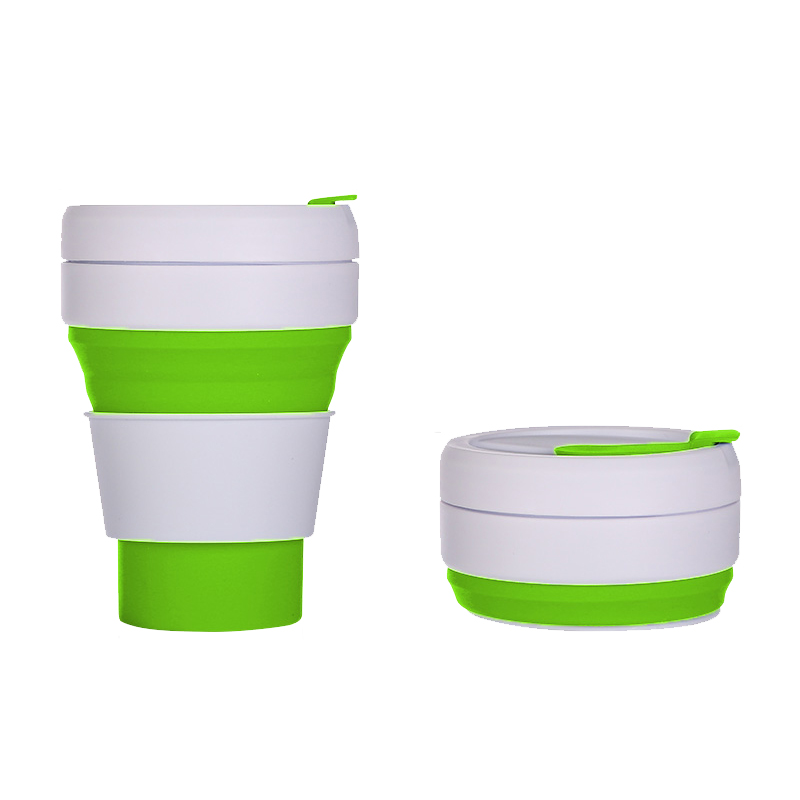
A logo is only the entry point. The colors a brand chooses—and more importantly, the exact shade—carry an emotional weight that stock palettes simply cannot match. A custom green mixed for a skincare line might evoke crushed herbs and morning dew, while the same generic green from a design app feels flat and forgettable. This specificity is what lets a brand speak in a visual dialect all its own.
Texture adds a layer of memory that sight alone cannot deliver. An embossed pattern on a business card or a soft-touch coating on a product box invites the hand to linger, turning a casual glance into a tactile conversation. These choices tell a customer whether the brand is rugged, refined, playful, or precise—before a single word is read.
Finishes—matte, gloss, metallic, or spot UV—work like punctuation marks in a brand's visual sentence. A matte laminate can whisper understatement on a tech startup's packaging, while a high-gloss spot on a wine label might shout celebration. When these elements are customized rather than pulled from a default menu, the brand stops being a set of assets and starts behaving like a coherent personality.
Built for Travelers: Lightweight, Leakproof, and TSA-Friendly
There's a certain frustration in lugging a toiletry bag that weighs more than the liquids inside it. This one strips that problem away. The shell uses a tightly woven, abrasion-resistant fabric that stays thin without feeling flimsy, so it slides into a carry-on without stealing space from shoes or a jacket. Empty, you barely notice it hanging from the hook; full, it holds its shape instead of bulging into a lump.
Leakproofing here isn't just a coated zipper and a promise. The interior lining is heat-sealed at the seams, and the main compartment closes with a double-lock zip that keeps accidental spills from reaching your clothes. Even if a bottle cap loosens mid-flight, the mess stays contained and wipes clean with a damp cloth. No lingering soap smell, no sticky residue.
Getting through security is less of a chore with the TSA-friendly layout: everything visible sits in one clear, zip-open panel. The bag meets carry-on liquid rules without forcing you to unpack and repack at the belt. Tuck it in an outer pocket, pull it out flat, and let the agent see the contents without a second look. After screening, the whole thing slips back into your bag in one motion.
Food-Grade Materials That Withstand Daily Wear and Tear
Everyday use punishes kitchen gear in ways that go far beyond a single scratch. A food container gets tossed into a backpack, frozen overnight, microwaved at lunch, then run through a hot dishwasher cycle. Materials that survive this routine without leaching, warping, or holding onto last night's curry are the ones worth keeping. Stainless steel with a decent gauge doesn't dent when a ladle hits the rim, and borosilicate glass shrugs off thermal shock that would shatter standard soda-lime glass. The difference shows up after a few months: cheap plastics turn cloudy and start to smell, while quality food-grade silicone or ceramic stays smooth and neutral.
Not all "food-grade" labels tell you how a material behaves after repeated stress. A polypropylene lid might pass FDA migration tests when new, but after fifty dishwasher cycles, the surface can develop micro-cracks where oils and soap residue hide. Those cracks become a second problem: they give bacteria a place to cling and make the plastic more likely to shed tiny fragments into food. In contrast, platinum-cured silicone gaskets and seals resist tearing even when pulled from the freezer straight into a pressure cooker. The material remains elastic instead of turning brittle, and it doesn't pick up the sharp scent of tomato sauce or garlic.
A quick at-home test separates genuinely tough food-contact materials from ones that merely look sturdy. Run a fingernail across an inconspicuous spot: if the line fades instantly, the surface has enough resilience. Fill the item with lemon juice and leave it overnight, then check for any plastic or metallic taste transfer. Flex thin edges a few times and look for white stress marks at the bend. Well-chosen wood like hard maple for cutting boards resists knife scars better than bamboo and won't dull blades as quickly. These materials don't just survive daily rigors—they stay predictable, so your food tastes like food, not like the container.
How OEM Partnerships Turn a Simple Bottle into a Marketing Tool
Most people see a bottle as just packaging—a container to hold liquid and get it from point A to point B. But when a brand teams up with a thoughtful OEM partner, that same bottle starts doing double duty. It becomes a silent salesperson on the shelf, a tactile reminder in someone's hand, and a story that gets retold every time it's refilled or reused.
The real shift happens when the OEM stops being a mere supplier and becomes a design collaborator. Instead of slapping a logo on a stock shape, they work with you on texture, weight, closure, and even the sound the cap makes when it snaps shut. Those small details register with customers on a subconscious level—they communicate quality, care, and intent far better than any ad copy could.
Over time, that simple bottle becomes part of the customer's daily routine. It sits on a desk, gets carried to the gym, or gets refilled at the kitchen sink. Every glance is a micro-impression. Every use is a small vote of confidence. That's how an OEM partnership quietly turns a commodity into a marketing asset that works around the clock.
From Commuter Cups to Camping Gear: Versatility in Every Sip
There’s a quiet kind of magic in an object that doesn’t ask you to choose between the morning rush and a weekend trail. The same vessel that slides into a car cup holder without a second thought can later hang from a backpack strap, surviving bumps, gravel, and the occasional tumble. It’s not about having separate gear for separate lives—it’s about one reliable piece that moves with you, indifferent to the setting.
The trick lies in details that don’t advertise themselves. A lid that seals tightly enough for a pothole but opens with one hand at a red light. A body that insulates coffee for hours yet stays light enough to carry on a ten-mile hike. The exterior doesn’t need flashy logos or rugged textures; it just needs to feel right in a palm that’s also holding a phone, a leash, or a map. That quiet adaptability turns a simple cup into something closer to a tool.
At camp, when the stove hisses and the last daylight fades, the same cup holds hot soup or tea without complaint. It doesn’t care that this morning it was filled with oat milk latte during a conference call. The versatility isn’t a feature on a spec sheet—it’s a refusal to be limited by context. And that, more than any marketing claim, is what makes a product genuinely useful day after day.
FAQ
The body can collapse down to a fraction of its expanded height, which makes it easy to slip into a small bag or even a pocket. When you need a drink, you just pull it open to full size and fill it up.
Yes, the OEM setup is built for that. You can add your logo, choose brand colors, and sometimes even customize the shape or packaging to match your brand identity.
Most models shrink to about half their extended height or less. A 500ml bottle, for example, might fit in the palm of your hand when compressed, which is handy for travel or commuting.
They are typically made from food-grade Tritan, food-grade silicone, or similar BPA-free plastics. These materials are designed to withstand repeated use and don't leach chemicals into your water.
It varies by supplier, but you can expect a starting point of a few hundred units. Some manufacturers offer lower quantities for samples or pilot runs, though the per-unit price will be higher.
Common sizes range from 350ml to 750ml, though some suppliers can adjust the capacity based on your needs. Larger sizes are less common because the collapsed profile becomes bulkier.
A good telescopic bottle uses a silicone gasket and a locking ring or twist mechanism to keep each section sealed. As long as you twist or snap the sections into place properly, it should stay leak-free in a bag.
It's not recommended. The collapsible sections and seals are generally designed for cold or room-temperature liquids. Hot water can soften the plastic and compromise the seal, leading to leaks or warping.
Conclusion
A telescopic water bottle that starts out small enough to slip into a jacket pocket and then expands into a full-size drink container changes how people think about staying hydrated on the go. Instead of lugging around a rigid bottle all day, commuters, travelers, and outdoor enthusiasts can carry a collapsed version until they actually need it. The design does not sacrifice durability for portability. Food-grade materials hold up against daily drops, scratches, and repeated expansion, while the leakproof seal and lightweight build make it a natural fit for airport security lines and long flights. It is a practical object first, but the smart construction also gives brands a canvas that people will use repeatedly.
Working with an OEM partner turns this simple bottle into something far more than a container for water. You can move beyond printing a logo on the side and explore custom colors, textured grips, matte or glossy finishes, and even unique cap designs that match a brand's personality. That kind of detail makes the bottle feel like a curated product rather than a giveaway. Because the same telescopic format works for a commuter cup, a gym accessory, or a camping essential, it reaches different audiences without losing relevance. Every time someone collapses it, expands it, or takes a sip, they interact with a brand in a small but memorable way.
Contact Us
Contact Person: Cecilia
Email: [email protected]
Tel/WhatsApp: 8619057488653
Website: https://silwatbottle.com