

MVNE Platform Vendor: Revolutionizing Telecom with Agile Enablement Solutions
2026-08-10
The telecom industry is at a turning point, and MVNE platforms are leading the charge. As an IPLOOK insider, I’ve seen firsthand how agile enablement solutions are reshaping connectivity—from rapid service launches to seamless network scaling. If you’re curious about the vendor redefining this space, you’re in the right place.
Unleashing Nimble Network Capabilities
Modern networks must pivot swiftly to meet ever-shifting demands, shedding the rigid architectures of the past. The key lies in disaggregated hardware, programmable software, and intelligent automation that together allow the infrastructure to breathe—scaling, reconfiguring, and healing without manual intervention. Embracing such fluidity transforms the network from a static utility into a dynamic enabler, capable of supporting rapid application deployment and unforeseen traffic patterns with graceful ease.
At the core of this agility is the convergence of observability and action. By embedding real-time telemetry and closed-loop analytics, the network learns to anticipate congestion, detect anomalies, and reallocate resources preemptively. Policy-driven orchestration then acts on those insights, adjusting bandwidth, steering traffic, or patching vulnerabilities across distributed fabrics in moments. The result is a living ecosystem that not only reacts but proactively shapes itself to maintain optimal performance, security, and efficiency, even as conditions change unpredictably.
Unleashing these capabilities also means rethinking operational models. Teams move beyond device-by-device configuration toward intent-based paradigms, where high-level business objectives are translated into continuous network states. APIs and infrastructure-as-code practices dissolve traditional barriers between development and operations, accelerating innovation cycles and eliminating the friction that once slowed digital initiatives. When network capabilities become nimble, the entire organization can experiment, fail fast, and scale successes without being hamstrung by the underlying connectivity fabric.
Speeding Market Entry for Virtual Operators
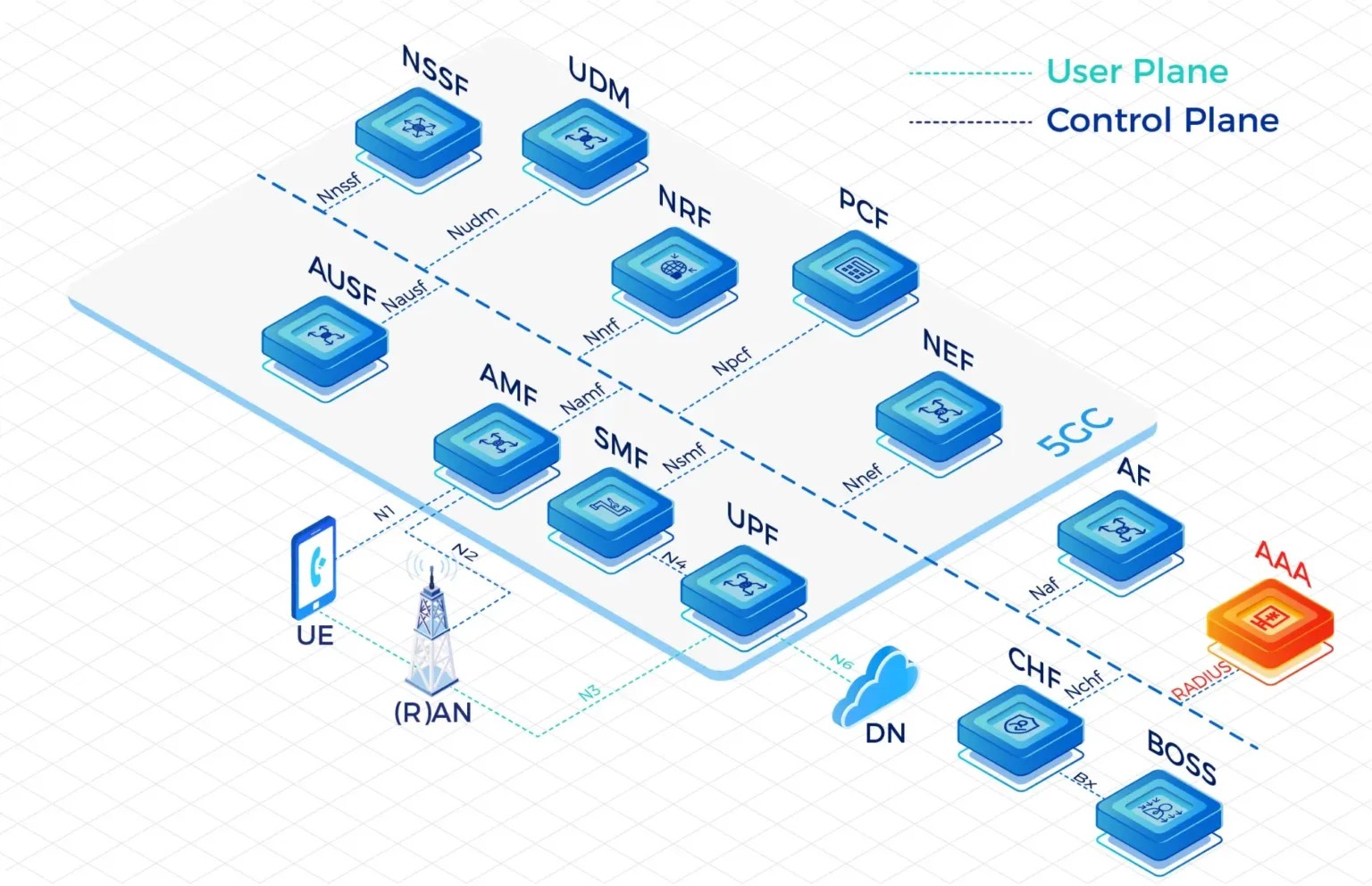
Launching a virtual operator business can be a drawn-out affair if you build everything from scratch. Traditional network setups force new entrants to negotiate complex interconnection deals, purchase and configure hardware, and hire specialized teams—all of which eat up months before a single subscriber can be served. This slow pace not only delays revenue but also risks missing a narrow window of market opportunity where differentiation still matters.
A smarter path leans on existing, cloud-ready platforms that abstract away the heavy lifting of core network functions. By tapping into infrastructure that already handles subscriber management, billing, and network routing, new operators can focus entirely on branding, customer experience, and niche service packages. Pre-integrated APIs and modular architectures let you assemble a working service in weeks rather than years, so you can test pricing models and refine your offer without massive upfront capital.
Speed doesn’t have to mean sacrificing uniqueness. The most agile newcomers use the time saved on technical plumbing to craft compelling identities—whether that’s hyper-local content bundling, AI-driven support, or zero-touch onboarding. With the commodity layer handled, your team can devote energy to the friction points that actually shape customer loyalty, turning a fast launch into a lasting advantage.
Empowering MVNOs with Ready-to-Use Infrastructure
Getting an MVNO off the ground used to mean wrestling with network agreements, core systems, and billing platforms that could take months just to configure. We’ve shifted that model entirely. Instead of building from the ground up, you plug into a fully managed, cloud-native core that’s already humming—giving you the same tactical control without the heavy lifting. It’s infrastructure that feels less like a contract and more like an on-ramp, allowing you to focus on what actually differentiates your brand in the market.
What sets this apart is how deeply the operational layer is pre-integrated. From subscriber provisioning to real-time rating and policy control, every component speaks the same language from day one. There’s no patching together of vendors, no extended integration cycles. You log in, start provisioning SIMs, and tailor service plans with a level of speed that catches competitors off guard. It’s designed for teams that want to act on market opportunities—say, a sudden demand for affordable IoT data—without getting bogged down in backend complexity.
The flexibility doesn’t stop at launch. Because the infrastructure is built to scale fluidly, you can test pricing models or coverage bundles in a matter of hours, not quarters. If a trial resonates, ramp up capacity instantly. If it doesn’t, pivot without sunk costs haunting your P&L. This kind of agility transforms MVNOs from resellers into genuine contenders, capable of outmaneuvering even established carriers in niche segments where responsiveness matters more than legacy scale.
Bridging the Gap Between Innovation and Deployment
The journey from a spark of innovation to a fully deployed solution is rarely a straight line. Too many groundbreaking ideas stall in the space between the lab and real-world application. Bridging this gap demands more than just technical excellence; it requires a deliberate focus on pragmatic integration. Teams must navigate organizational inertia, align diverse stakeholder expectations, and transform abstract concepts into repeatable, scalable processes that deliver tangible value.
A common pitfall is treating deployment as an afterthought — something that can be figured out once the innovation is “ready.” But true readiness is defined by the environment it will meet. Bridging the gap means embedding deployment thinking from the start: considering regulatory hurdles, legacy system compatibility, and user adoption patterns early on. It’s about prototyping not just the technology, but also the operational framework that will carry it forward, ensuring that what looks brilliant in isolation can thrive in complexity.
Ultimately, the missing link is often cultural rather than technological. Organizations that close the gap successfully cultivate a mindset where innovation and deployment are not separate phases but intertwined rhythms. They reward not only the inventors but also the integrators—the people who translate vision into daily workflow. By fostering cross-disciplinary collaboration and using fast feedback loops, they turn the tension between invention and execution into a productive force that keeps progress moving.
Customizable Platforms for Dynamic Telecom Landscapes
The telecom industry no longer moves in straight lines. Networks are being reshaped by shifting user demands, evolving technologies, and unpredictable market forces. A rigid platform simply cannot keep pace. What’s needed is an infrastructure that bends without breaking—where service creation, orchestration, and policy management adapt fluidly to new requirements without months of redevelopment. This is the heart of true customizability: a platform that treats change as a constant, not an exception.
Achieving that level of agility means moving beyond one-size-fits-all software stacks. Modern telecom platforms must expose granular building blocks—microservices, APIs, event-driven components—that allow operators to compose and recompose services on the fly. Whether it’s slicing a 5G network for a factory floor, spinning up a low-latency edge node for a gaming event, or merging fixed and mobile access patterns for a smart city, the platform becomes a canvas. With the right abstraction layers, non-technical stakeholders can design these services visually, while engineers can inject custom logic exactly where it’s needed. The result is an operational environment that mirrors the diversity of the markets it serves.
Customization also extends inward, into the operational fabric itself. Dynamic landscapes demand dashboards, alerts, and KPIs that align with the operator’s unique business models—not the vendor’s assumptions. Platforms must allow deep tailoring of monitoring streams, role-based views, and automated remediation playbooks. When a sudden surge in IoT traffic hits, the system can automatically rebalance resources and notify the right teams with context-rich reports, all based on rules defined by the operator. This self-shaping capability transforms the platform from a static product into a living partner, one that learns, anticipates, and evolves alongside the telecom business it supports.
Driving Connectivity Without Boundaries
True connectivity isn't about cables, towers, or complex gear—it's about people staying in touch wherever life takes them. We strip away the technical hurdles, making it feel effortless to share a moment, close a deal, or simply say hello, even when miles apart. No signal drops, no dead zones, just a constant thread linking you to what matters most.
By weaving together satellite, mesh, and terrestrial systems, our approach turns patchy coverage into a seamless web. A remote worker on a mountainside gets the same stable connection as a startup founder in a bustling city café. This fluid reach means teams collaborate in real time, families stay close across time zones, and ideas flow without waiting for the next "good spot."
We design for the unplanned moments—the impromptu video call when a child takes a first step, the critical update sent from the back of a moving vehicle, or the farmer checking soil sensors from the far end of a field. Boundaries disappear because the network adapts to your rhythm, not the other way around. It’s connectivity that feels invisible, yet completely reliable.
FAQ
An MVNE platform vendor provides the technical backbone and managed services that allow brands to launch their own mobile services without building everything from scratch. They handle core network elements, billing, provisioning, and partner integrations so the client can focus on marketing and customer experience.
Traditional telecom builds are rigid and take years to deploy. Agile enablement breaks that mold—think modular components, cloud-native deployments, and continuous iteration. This lets operators test new services quickly and scale what works, without massive upfront capital.
Customer demands shift overnight, and rigid systems can't keep pace. Agility means being able to pivot to new offerings, adjust pricing on the fly, and integrate emerging technologies without months of re-engineering. It's the difference between leading a market and chasing it.
It's not just for startups. Retail chains wanting a branded phone plan, IoT companies needing seamless connectivity management, established providers entering new regions—any organization wanting to add mobile services without becoming a full-network operator can benefit.
Pre-integrated APIs, templated service bundles, and automated onboarding slash the launch cycle from years to weeks. This lets partners rapidly prototype offers, gather real user feedback, and refine before a full-scale rollout.
APIs are the connective tissue. They expose network capabilities, billing events, and analytics so partners can stitch the MVNE platform into their existing systems, build custom dashboards, and orchestrate services in a way that fits their unique business models.
Absolutely. Many MVNE platforms now include IoT-specific features like eSIM provisioning, low-bandwidth protocol support, and device lifecycle management. This opens the door for partners to monetize massive sensor networks, smart utilities, or connected vehicles without reinventing the connectivity wheel.
Conclusion
The telecom industry is undergoing a fundamental shift, and MVNE platform vendors are at the heart of this transformation, delivering agile enablement solutions that dismantle traditional barriers. By unleashing nimble network capabilities, these providers empower virtual operators to bypass complex infrastructure builds, instead tapping into ready-to-use, scalable systems. This approach dramatically speeds market entry, allowing MVNOs to launch services in a fraction of the usual time, all while maintaining the flexibility to adapt to shifting consumer demands. The result is a more dynamic ecosystem where innovation isn’t stifled by deployment lag, but rather accelerated through streamlined, cloud-native frameworks designed to handle everything from provisioning to billing with minimal friction.
Beyond pure speed, the true differentiator lies in how these platforms bridge the gap between bold ideas and real-world execution. Customizable by design, they let operators tailor offerings precisely to niche markets or regional needs, turning connectivity into a fluid, boundaryless experience for end users. Whether it’s enabling IoT connectivity across continents or launching a local lifestyle brand overnight, the infrastructure adapts without forcing vendors into rigid molds. It’s this blend of ready-to-use efficiency and granular personalization that’s redefining what telecom enablement means—shifting the focus from mere access provisioning to crafting unique, resilient services that keep pace with an ever-accelerating digital landscape.
Contact Us
Contact Person: Shimmy
Email: [email protected]
Tel/WhatsApp: 85253392231
Website: https://www.iplook.com