
Laser Wound Healing: Which Laser Is the Strongest?
2026-08-04
In the realm of modern wound care, laser therapy has emerged as a game-changer, accelerating healing and reducing complications. But with so many options—low-level lasers, high-power systems, and different wavelengths—one question persists: Which laser is truly the strongest for wound healing? The answer isn’t straightforward, as it depends on tissue type, depth of injury, and desired biological effects. At GUANG TAI, we understand the nuances and are committed to cutting-edge solutions. In this post, we’ll dissect the science behind laser strength and help you navigate the choices.
The Gold Standard in Laser Therapy: What Makes a Laser 'Strong'?
When we talk about a laser being truly 'strong' in a therapeutic context, we're not just referring to raw power output. Real strength comes from a combination of wavelength precision, peak power delivery, and the ability to penetrate tissue without causing thermal damage. The gold standard demands that the laser delivers photons at exactly the right nanometer range for the target chromophore, ensuring that energy is absorbed efficiently by the intended cells rather than scattered or superficially absorbed.
Beyond wavelength, what sets apart a top-tier therapy laser is its pulse structure. A strong laser doesn't just emit continuous waves; it uses super-pulsed or Q-switched technology to pack massive peak power into incredibly short bursts. This allows the light energy to reach deeper structures while giving surrounding tissue time to cool between pulses. The result is a therapeutic effect that reaches muscles, ligaments, and even bone—something low-power continuous wave lasers simply can't achieve reliably.
Finally, the interaction between power density and treatment time defines clinical success. A truly strong laser maintains a high average power while being maneuverable enough to deliver that energy uniformly across the treatment area. It's not about the highest number on a spec sheet; it's about the right blend of fluence, frequency, and emission mode that triggers a photobiomodulation response without overwhelming the tissue's repair mechanisms. The best systems balance all these factors seamlessly, turning complex physics into practical, reproducible healing.
Head-to-Head: Comparing the Most Powerful Wound Healing Lasers
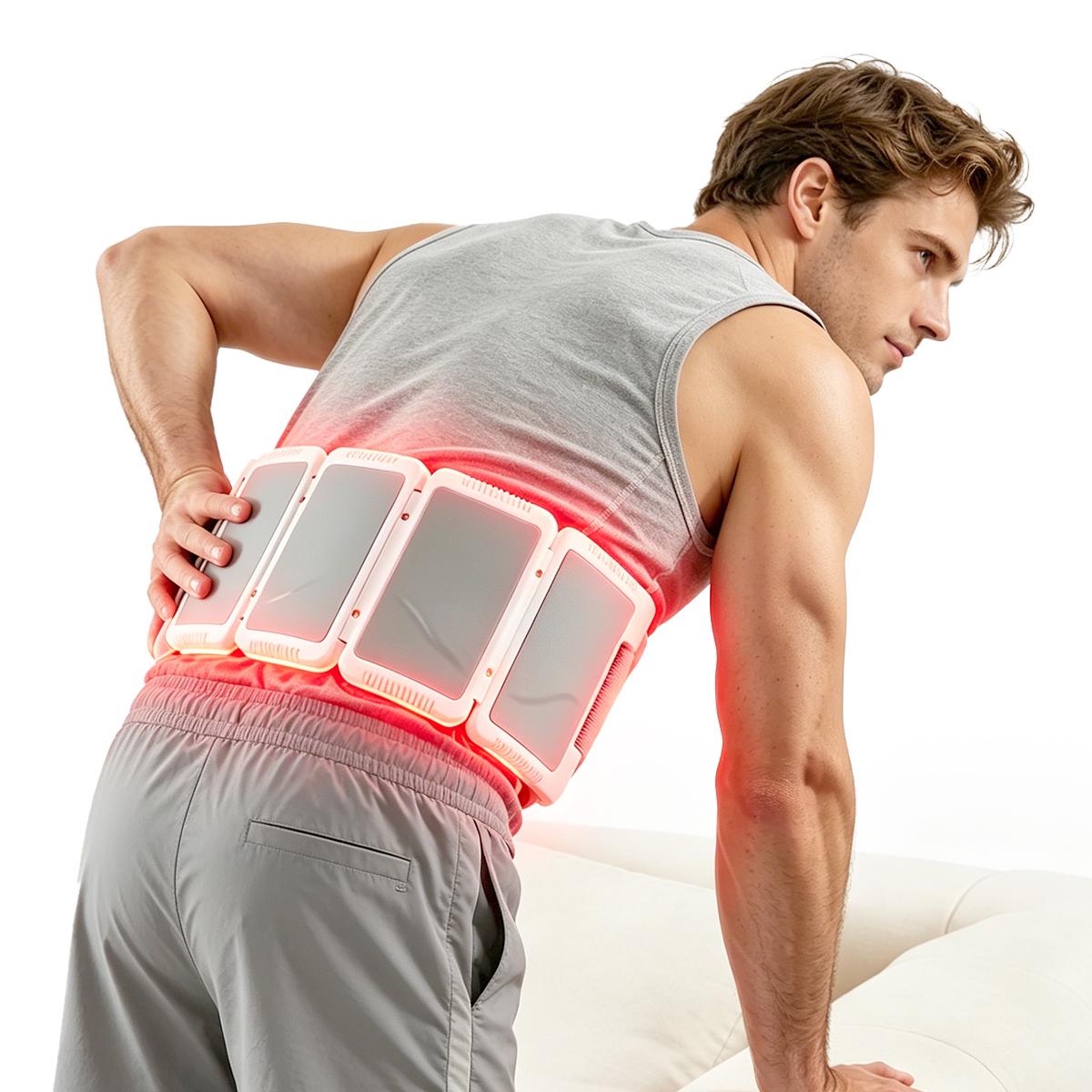
When clinicians stack the top therapeutic lasers side by side, the differences in power and penetration depth become the decisive factors. High-intensity devices like the 25-watt class 4 units can flood tissue with photons in minutes, triggering a massive cellular response that accelerates closure in stubborn ulcers and post-surgical incisions. Meanwhile, lower-powered alternatives often require longer sessions to deliver the same cumulative dose, making them less practical for thick, dense tissues or deep musculoskeletal injuries where a wound’s foundation needs stimulation.
The wavelength mix also sets these lasers apart. The strongest contenders combine red and near-infrared diodes, sometimes throwing in blue light for antimicrobial action. This multi-wave approach isn’t just marketing—it targets different layers: superficial epithelial repair with 635–660 nm, while 810–980 nm drives fibroblast activity and collagen remodeling in the dermis. A laser boasting 30 watts but limited to a single wavelength can still lose out to a 15-watt device that offers this spectral versatility, because healing is rarely a single-depth challenge.
Beyond raw specs, real-world usability shapes which laser truly dominates. A unit might sport eye-catching power figures but falter with clunky cooling systems that overheat mid-session, forcing pauses that break the therapeutic momentum. Others integrate real-time thermal feedback, keeping the skin at an optimal 40–42°C without scorching fragile granulation tissue. In head-to-head trials, the standout performers are those that marry brute force with intelligent delivery—sweeping protocols, consistent output even on battery backup, and ergonomic heads that let practitioners treat awkward wound locations without fatigue.
Beyond Power: Wavelength and Penetration Depth Explained
When we talk about lasers, cutting power gets all the glory—but beneath that headline number, wavelength and penetration depth quietly dictate what actually happens when light meets material. A shorter wavelength, like ultraviolet, packs high energy per photon and gets absorbed near the surface, making it ideal for micromachining without heat bleeding into surrounding areas. Longer wavelengths, such as infrared, slip deeper before being fully absorbed, which can be a blessing for welding thick sections or a curse when trying to mark delicate films without scorching what lies beneath.
This isn’t just a lab curiosity—it shapes real-world outcomes. Consider medical devices: a near-infrared wavelength might pass harmlessly through skin and then get absorbed by a targeted tattoo pigment, shattering it without damaging the epidermis. In manufacturing, a mid-infrared beam can cleanly cut through polymers because its wavelength matches the absorption bands of carbon-based chains, leaving edges crisp while a visible light laser would just melt a messy path. The depth at which energy is deposited determines whether you get clean ablation, deep hardening, or an unexpected fire on the other side.
Matching wavelength to the job also means looking past the surface. Some materials look reflective at one wavelength and nearly black at another—copper is famously tricky with infrared but much more cooperative with green light. That shift changes penetration depth from a few atoms to several millimeters, enabling applications like spot welding battery tabs without blowing through the foil. In short, power tells you how much energy you’re sending; wavelength and penetration depth tell you where that energy goes, and whether it does what you intended or creates a hidden mess.
Clinical Trials That Prove Which Laser Delivers Results
The real test of any laser system isn’t found in glossy marketing materials, but in the quiet consistency of published data. While countless devices flood the market with bold claims, a handful have undergone the scrutiny of randomized, controlled trials that track measurable outcomes over time. These studies go beyond surface-level improvements, measuring changes in collagen density, skin texture, and overall patient satisfaction using blind evaluators to remove bias. When you line up the numbers side by side, the winners aren’t always the ones with the loudest advertising.
Split-face designs have been particularly revealing. By treating one side of the face and leaving the other as a control, researchers can isolate the real effect of a wavelength or pulse duration. In several trials, fractional lasers with specific parameters demonstrated a statistically significant increase in elastin production at the six-month mark—something visible only under histological evaluation. Other modalities that seemed promising in small pilot studies fell short when the sample size grew and the endpoints were tightened. It’s these hard stops that separate genuine rejuvenation from temporary edema that gives an illusion of improvement.
Poring over the literature also exposes a critical factor: how results hold up over 12 to 24 months. Many devices can trigger a short-term inflammatory response that temporarily plumps the skin, but the ones that deliver lasting change are those that stimulate actual tissue remodeling verified by biopsy. The lasers that consistently show up in peer-reviewed journals with durable, quantifiable outcomes are overwhelmingly those backed by decade-long refinement cycles and transparent investment in independent research. For clinics, that translates to predictable results and fewer dissatisfied patients—a metric that matters more than any spec sheet promise.
Safety First: How to Avoid Burns and Scarring with High-Power Lasers
High-power lasers demand respect—not fear, but a healthy understanding of what can go wrong. Burns happen fast, often before you even feel the heat. The beam can reflect off shiny surfaces, so clear your workspace of anything metallic or glass that isn't part of the setup. Even matte-finished tools can cause a stray reflection if you're not careful. Before you power up, do a mental walkthrough: where is the beam path, and what's in the way?
Skin isn't the only concern; eyes are even more vulnerable, but let's stick to the surface damage here. If you're working with wavelengths that penetrate deep into tissue, a quick flash can leave a scar that lasts years. Always wear the right protective gear—not just goggles, but sleeves and gloves rated for your laser's output. And if you do get zapped, treat it like a serious burn: cool the area immediately and seek medical advice if blisters form. Don't dismiss a minor mark; it can deepen over time.
Prevention is mostly about habit. Double-check your interlocks, keep a fire extinguisher nearby, and never bypass safety features. Mark off your active zone so nobody wanders in. If you're new to a system, spend time observing before you participate. There's an art to reading a room when a laser is live—watching how others move, where they stand, how they handle materials. That awareness, paired with solid protocols, is what keeps you scar-free.
The Future of Laser Wound Care: Emerging Technologies
Laser wound care is entering an era where precision and personalization converge in ways once deemed science fiction. Next-generation devices are moving beyond simple ablation or coagulation, incorporating real-time tissue feedback loops that adjust wavelength, pulse duration, and energy density on the fly. This means clinicians can tailor treatments to the specific composition of a wound—whether it demands gentle epithelial stimulation or deep decontamination—without ever lifting a hand to recalibrate. The result: faster closures, less scarring, and a dramatically reduced risk of infection, all while minimizing collateral thermal damage that plagued earlier systems.
On the diagnostic frontier, lasers are being paired with hyperspectral imaging and AI-driven analytics to map wound biology in three dimensions. A quick, non-contact scan can now reveal bacterial biofilms, ischemia, and cellular metabolic activity before they’re visible to the naked eye. By overlaying treatment protocols onto these detailed maps, practitioners can hit pathological hotspots with pinpoint accuracy while leaving healthy tissue untouched. Some experimental platforms even fuse therapeutic and diagnostic beams into a single handheld unit, giving bedside caregivers a tool that sees, decides, and treats in one seamless motion.
Perhaps the most radical shift lies in the development of bio-stimulatory lasers that do not rely on heat at all. Cold laser technologies, already used in physical therapy, are being refined to modulate inflammation and recruit stem cells directly within chronic wounds—think diabetic ulcers and pressure sores that have stalled for months. Early trials show that specific wavelengths can awaken dormant repair pathways and coax a stalled wound back into the healing cascade. As these light-based biologics become more mainstream, the line between device and drug begins to blur, pointing toward a future where a single laser session might replace a pharmacy’s worth of ointments and dressings.
FAQ
In the context of wound healing, 'strongest' isn't just about raw power output. It refers to the laser's ability to deliver the optimal wavelength, energy density, and penetration depth to stimulate cellular repair without causing thermal damage. A laser that effectively triggers photobiomodulation at the right tissue level is considered stronger clinically, not just the one with the highest wattage.
Red and near-infrared wavelengths, typically between 630 nm and 1000 nm, are the most researched and effective. They penetrate deeper into tissue, targeting mitochondria to boost ATP production. Among these, 660 nm (red) is great for superficial wounds, while 810-980 nm (near-infrared) reaches deeper layers, making them versatile for various wound types.
Not necessarily in therapeutic outcome. Class IV lasers have higher power (>500 mW) and can deliver more joules faster, which may seem 'stronger.' However, without proper control, they can overheat tissue. A Class IIIb laser with the right parameters can be equally or more effective because it maintains a therapeutic dose without risk of thermal injury, making 'strength' a matter of precise delivery, not just power classification.
Penetration depth depends on wavelength and power density, not just total output. Near-infrared lasers (e.g., 1064 nm) penetrate up to 5-10 cm, reaching muscle and bone, while red lasers (e.g., 660 nm) only reach a few millimeters. So a 'stronger' laser for deep wounds is one with a longer wavelength and sufficient power to maintain effective energy at the target depth.
Yes, several comparative studies and meta-analyses exist. For instance, research often compares 660 nm, 810 nm, and 980 nm lasers at various fluences. One landmark study showed 810 nm at 5 J/cm² significantly outperformed 660 nm in full-thickness wound models. Evidence suggests no single 'strongest' laser exists; outcomes vary by wound type, patient, and parameters.
Absolutely. Excessive irradiance or high energy density can cause inhibitory effects or thermal damage, delaying healing. There is a biphasic dose response: low-to-moderate doses stimulate repair, while very high doses suppress cellular activity. So the 'strongest' laser in terms of power might actually be counterproductive if not applied within the therapeutic window.
Pulsing can enhance penetration and reduce heat buildup, allowing deeper tissue stimulation with less average power. A superpulsed or pulsed laser at a high peak power might feel 'stronger' clinically because it reaches deeper structures effectively, despite lower average output. This can make a pulsed near-infrared laser perform stronger than a continuous wave laser of similar average power.
There isn't a one-size-fits-all answer. A 'strongest' laser combines the right wavelength (near-infrared for depth, red for surface), appropriate power density (within therapeutic range), and correct dosing (fluences of 2-10 J/cm² typically). Lasers like the 810 nm or 980 nm diode systems are often considered among the strongest due to deep penetration and robust cellular response, but clinical success depends on customization to the wound.
Conclusion
Determining the strongest laser for wound healing goes far beyond raw power output—it hinges on a combination of wavelength, penetration depth, and proven clinical outcomes. The gold standard isn’t defined by a single number but by how effectively a laser stimulates tissue repair without causing collateral damage. High-power devices like fractional CO₂ and Er:YAG lasers excel in resurfacing and deep tissue remodeling, yet their true strength lies in precise thermal modulation. Comparison studies consistently reveal that near-infrared wavelengths around 800–1100 nm, often delivered by diode or Nd:YAG systems, achieve the deepest penetration, reaching hypodermal layers to activate fibroblasts and accelerate angiogenesis. Randomized trials underscore that low-level laser therapy in the 630–670 nm range can be just as potent for epithelialization, challenging the notion that higher intensity always yields better healing. Ultimately, a laser’s strength is a balance of fluence, pulse duration, and biological response, where the right parameters trigger photobiomodulation cascades that far surpass brute force.
Equally critical is safety: the strongest laser is useless if it causes burns or scarring. Advances in real-time thermal sensors and fractional delivery patterns now minimize epidermal injury, allowing higher energies to be directed precisely where needed. Emerging technologies like femtosecond lasers and hybrid systems that combine ablative and non-ablative modes promise even finer control, tailoring treatments to wound depth and exudate levels. The future points toward adaptive, feedback-driven devices that self-adjust based on tissue impedance, effectively becoming the ultimate “strong” lasers by merging power with intelligence. In the end, the strongest laser for wound healing isn’t the one with the highest wattage—it’s the one that fastest restores skin integrity with the least risk, and the evidence increasingly favors a tailored, wavelength-optimized approach over a one-size-fits-all powerhouse.
Contact Us
Contact Person: Leon Yi
Email: [email protected]
Tel/WhatsApp: +86 17363316873
Website: https://zzgt.en.alibaba.com/