
Inside a Waste Tire Recycling Line Factory: Transforming Old Tires into Valuable Materials
2026-09-14
Ever wonder what really happens to the mountain of discarded tires piling up in landfills? Most people never see beyond the scrap heap, but step inside a modern waste tire recycling line and you'll watch those worn-out tires get ripped, shredded, and separated into reusable rubber granules, clean steel wire, and even fuel. At SFC, we design the heavy-duty machinery that makes this transformation possible—turning a stubborn environmental headache into a steady stream of valuable materials. This post walks you through the entire process, from whole tire to final product, so you can see exactly how the line works and why it matters.
Mixed Tires Hitting the Feed Conveyor
When a mixed batch of tires drops onto the feed conveyor, the first thing you notice is the uneven thud—car tires land soft and heavy, while smaller motorcycle or ATV tires bounce and roll before settling into place. The conveyor's cleats and side skirts have to work immediately to keep the pile from spilling backward.
The mix itself is rarely uniform. You get steel-belted radials, nylon-ply bias tires, chunks of tread that have already separated, and the odd piece of rim still attached. All of that hits the belt at different angles, which means the impact zones wear faster and can develop tears if the drop height isn't controlled.
Operators usually adjust the feed rate based on what's coming through. Too many large truck tires arriving at once can overload the motor, while a surge of small passenger tires tends to spread out and jam at the transfer point. Keeping the feed steady is more about watching the pile than tracking individual tires.
The Primary Shredder's First Bite
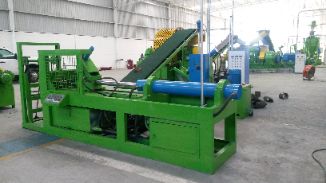
The moment the feed rolls forward and the first chunk of scrap touches the cutting table, the machine's appetite becomes clear. There is no hesitation in the bite—just a low growl that shifts into a high-torque tear. The primary shredder does not slice so much as it rips, pulling material into the hook-and-cleat geometry of the cutters until the pieces lose their original shape.
That opening bite sets the rhythm for everything that follows. If the first engagement is too aggressive, the load can stall or bounce; too timid, and the rotor spins without purchase. Operators learn to read the sound and the slight vibration through the frame, adjusting the feed so each new bite lands steady and full. From that point, the rest of the line simply reacts to what the primary shredder has already begun.
Yanking Steel Out with Magnetic Drums
A magnetic drum doesn't grab steel so much as it waits for steel to come to it. Material slides across the drum's surface, and any ferrous fragment within reach gets snatched from the flow and pinned to the shell until the rotation carries it past the magnetic field's edge. Then gravity takes over, dropping the collected scrap into a separate chute while the clean fraction continues on its way.
The real advantage shows up in mixed waste lines where hand-picking would be slow and unreliable. Shredded auto bodies, demolition debris, municipal solid waste—these streams hide countless bits of steel among plastic, wood, and non-ferrous metals. Set a magnetic drum at the right point in the conveyor, and it keeps pulling those bits out hour after hour without fatigue, improving downstream sorting and protecting crushers from tramp metal damage.
Not all drums are built for the same job, though. Some use high-intensity rare earth magnets to capture weakly magnetic stainless or work-hardened steel, while others rely on ceramic ferrite for cost-effective separation of plain carbon steel. Choosing the wrong drum for the feed material means either losing steel to the reject pile or dragging too much non-magnetic material along with it.
Running Crumb Through Fine Grinders
Running crumb through a fine grinder asks for more than a casual gap adjustment. The feed rate needs to stay slow and deliberate; otherwise the material stacks up between the discs and the heat builds quickly enough to change the crumb's mouthfeel. I keep one ear on the motor pitch—when it dips even a little, that's the cue to ease off the auger. A fine grinder is not a set-and-forget machine, and the best output comes from treating each batch as its own small trial.
A single pass rarely yields an even particle size, especially if the incoming crumb carries irregular chunks or leftover moisture. Instead of forcing the gap tighter, a smarter route is to run the material at a moderate setting, then sift out the oversized fraction and send only that portion back through. This keeps the fines from turning to dust while the stubborn bits get broken down. With practice, you learn to judge the grind by rubbing a sample between your fingers—if it feels gritty but not sharp, the grinder is doing its job.
Air Knives and Cyclones Handling Fiber
In fiber processing lines, air knives serve a surprisingly mechanical role—they don't cut fiber but instead direct a thin, high-velocity sheet of air to strip loose fibers from moving belts, screens, or rollers. This continuous blast prevents accumulation around chutes and transfer points that would otherwise force frequent shutdowns. Operators often tune the air pressure to match the staple length and density of the fiber, as too gentle a stream lets fines build up while too aggressive a blast can entangle or mat the stock.
Cyclones paired with these systems handle the fiber once it becomes airborne. Unlike simple filters that quickly blind over with lint, a cyclone uses centrifugal force to spin the fiber-laden air and throw the heavier particles to the outer wall, where they drop into a collection bin while the cleaned air exits through the center. The real advantage appears with shorter synthetic fibers or cotton linters that tend to clump—cyclones keep them moving without the static buildup common with baghouse-style separation.
Placing an air knife before a cyclone changes the efficiency of the whole line. The knife frees the fiber from the conveying surface, the cyclone captures it in a more uniform stream, and downstream carding or air-laid web formation sees fewer clumps and less variation. Maintenance teams often notice the difference in downtime rather than throughput: fewer choked ducts, fewer hours spent scraping compacted fiber off screens, and a steadier pull on the exhaust fan.
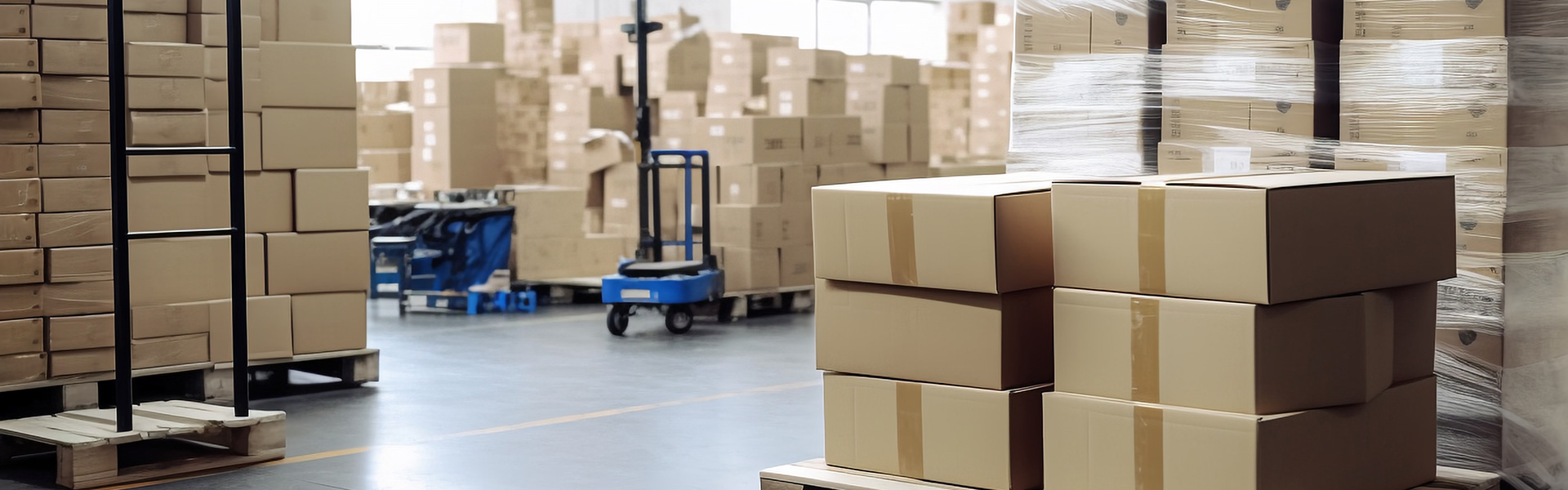
Baled Rubber, Steel, and Textile Ready to Ship
Compressed bales of natural rubber, structural steel beams, and rolled textile bolts are now staged at the warehouse exit, each lot tagged with batch numbers and shipment schedules. The rubber has been pressed into uniform blocks and wrapped for stable stacking, while the steel lengths are strapped into secure bundles and the textiles are rolled on moisture-resistant cores to survive long-haul transit.
Every item has passed its final weight check and inspection, so there is no last-minute sorting or re-bundling left. The loading crew can move straight through the dock doors, and the freight forwarder already has the packing list and container plan.
Because these three materials often travel on the same vessel but require different lashing points, the yard crew has kept rubber away from sharp steel edges and placed textiles on the upper tier to avoid compression marks.
FAQ
They get sorted and cleaned first, removing dirt, stones, and any metal rims still attached. Then they move to a shredder that tears them into rough chunks, which makes the next stages easier to handle. From there, the material passes through granulators and magnetic separators to pull out steel wire.
Usually you will see a primary shredder, a granulator, a magnetic separator for steel, a vibrating screen to sort by size, and sometimes a cryogenic mill if the factory wants very fine rubber powder. Some lines also include a fiber separator to remove nylon or polyester cords.
The main outputs are crumb rubber, steel wire, and textile fiber. Crumb rubber can be sold for playground surfaces, sports tracks, or molded products. The steel goes to scrap metal processors, and the fiber sometimes gets burned for energy or used in insulation.
After the tires are shredded, a magnetic drum or overhead magnet pulls the steel wires out of the rubber stream. The recovered steel is baled and sent to steel mills. Any leftover steel fragments in the rubber are minimized with additional magnetic separation steps.
It keeps tires out of landfills and illegal dumps, which reduces fire risk and mosquito breeding grounds. It also lowers the demand for virgin rubber and steel, saving energy and cutting greenhouse gas emissions tied to mining and refining.
Yes, dust and noise are the big ones. Good factories use enclosed conveyors, dust collection systems, and soundproofing around shredders. Workers wear respirators and ear protection, and the line includes explosion-proof motors because rubber dust can be combustible.
The size distribution, purity, and moisture content matter most. Consistent granulator settings, effective steel and fiber removal, and proper drying after any wet processing all help produce clean, uniform crumb rubber that buyers can use without extra processing.
Conclusion
Inside a waste tire recycling line factory, the process starts with a relentless stream of mixed tires tumbling onto the feed conveyor. This isn't a gentle introduction—tires of all sizes and tread patterns jostle forward, still carrying the grime of the road. The primary shredder's first bite is brutal: interlocking blades tear through rubber, steel belts, and sidewalls, reducing whole tires to rough, jagged chunks in seconds. Immediately after, powerful magnetic drums yank out the steel wire that once gave the tires their strength. It's a noisy, dusty ballet where metal separates from rubber before the material moves deeper into the line.
What remains is a coarse crumb that gets pushed through fine grinders, transforming it into a uniform, almost powder-like rubber granulate. Air knives and cyclones then take over, blowing lightweight textile fibers away from the heavier rubber particles—an essential step that keeps the final product clean. By the end of the line, the once-discarded tires have been split into three distinct streams: baled rubber crumb, compressed steel scrap, and compacted textile fluff. Each bale is stacked, strapped, and ready to ship, no longer waste but a valuable raw material for new products like playground surfaces, asphalt additives, and industrial fuel.
Contact Us
Contact Person: Chen Zhengwei
Email: [email protected]
Tel/WhatsApp: +86-13963975727
Website: https://www.sfcrubbermachine.com