

Inkjet Marking Systems in China: Driving Precision Manufacturing Forward
2026-08-07
In the heart of China’s manufacturing revolution, where precision and efficiency define success, inkjet marking systems have become indispensable. They quietly power industries from electronics to automotive, ensuring every product carries a flawless identity. Amid this shift, Danmajet emerges as a driving force, redefining how businesses achieve traceability and brand integrity. Yet, the story behind this technology and its impact on tomorrow’s smart factories remains largely untold. Dive in to discover how innovation is leaving its mark—literally—on the future of production.
The Evolution of High-Precision Inkjet in Chinese Manufacturing
The shift toward high-precision inkjet in Chinese manufacturing didn’t happen overnight. It grew out of a pressing need to replace older, less accurate methods with something faster and more adaptable. In the early days, screen printing dominated, but it struggled with increasingly complex designs and tighter tolerances demanded by consumer electronics and automotive components. Engineers began experimenting with piezoelectric printheads, fine-tuning droplet control to achieve micron-level accuracy. This wasn’t just about upgrading machinery—it was a fundamental rethink of how fluids could be placed exactly where needed, opening doors to applications that once seemed out of reach.
As the technology matured, its footprint expanded beyond traditional printing. High-precision inkjet found its way into PCB fabrication, allowing for direct deposition of conductive traces without wasteful etching processes. Display manufacturing saw a revolution, with inkjet enabling the precise layering of organic materials for OLED panels. Even automotive coatings benefited, as manufacturers could now apply uniform layers with minimal overspray. Chinese firms, once reliant on imported expertise, started building their own ecosystems—developing inks, printheads, and motion systems in-house. This vertical integration cut costs and sped up iteration cycles, making high-precision inkjet a practical choice rather than a niche luxury.
The real turning point came when the technology proved itself in high-stakes environments. Medical device makers adopted it for printing bioactive coatings on implants with exacting consistency. Semiconductor packaging began using inkjet for precision underfill, reducing chip failures. Looking back, the evolution mirrors a broader industrial awakening—a shift from chasing foreign benchmarks to setting original standards. The result isn’t just better printers; it’s a manufacturing philosophy that treats every droplet as a building block for something that couldn’t be made before.
Key Technologies Elevating Marking Accuracy and Speed
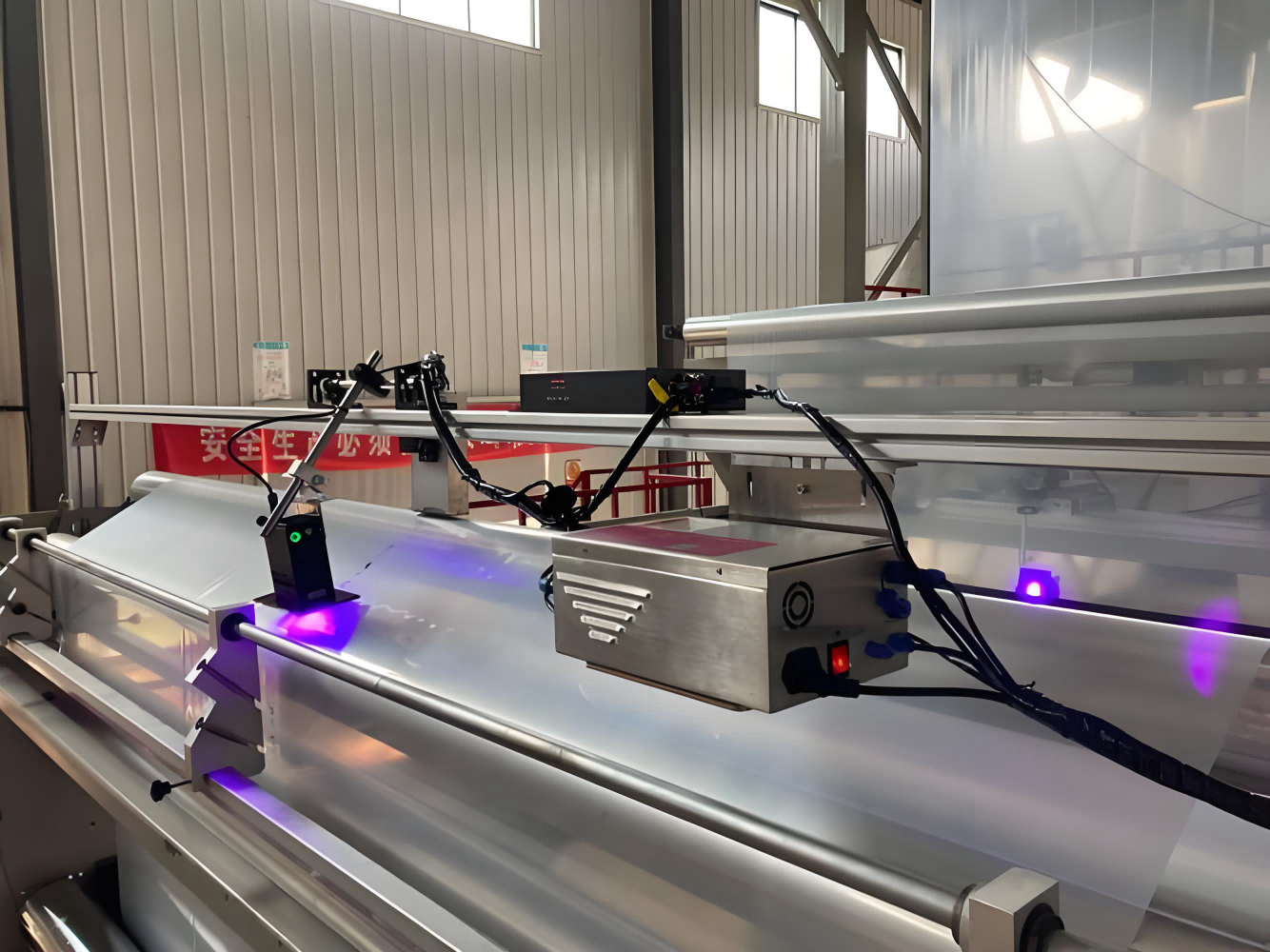
Precision in marking starts long before ink touches substrate. The integration of multi-axis servo drives with linear motors eliminates mechanical backlash and oscillation, enabling sub-micron positional repeatability. Instead of relying on traditional belt-and-pulley systems that degrade over time, these direct-drive assemblies accelerate and decelerate with pinpoint control, keeping the beam path stable even during rapid directional changes. This level of stability directly reduces rework and scrap, especially on high-density PCBs where a few microns of drift can mean the difference between a functional board and a failed one.
What truly sets modern systems apart is how they adapt to material inconsistencies in real time. Closed-loop vision modules continuously inspect every mark and compare it against the CAD reference, feeding adjustments back to the galvo controllers within microseconds. If a panel warps slightly as it heats under the laser, the software compensates by dynamically shifting the field correction tables. This is not a batch-level calibration but a per-part, on-the-fly correction that maintains mark quality across the entire working area, even on flexible or thermally sensitive substrates.
Speed no longer comes at the expense of legibility, thanks to sophisticated path planning algorithms that treat marking as an optimization problem. The controller evaluates hundreds of possible sequences for hundreds of marks, minimizing both travel distance and laser dwell time while respecting power constraints. By grouping marks that share similar parameters and ordering them to reduce head repositioning, systems can shave seconds off cycle times without pushing optical components beyond their reliable operating envelopes. The result is a throughput increase that emerges from smarter decision-making, not just from higher laser pulse rates.
How Industry-Specific Demands Shape Marking System Design
Every sector leaves its fingerprints on the machines that serve it. In automotive plants, the relentless rhythm of high-speed assembly lines pushes marking systems toward split-second cycle times and flawless integration with robotic cells. Traceability codes must survive paint baths, welding spatter, and decades of vibration—so laser types and protective coatings are chosen with almost obsessive specificity. Meanwhile, electronics manufacturers demand contrast and precision at microscopic scales, driving the adoption of ultra-fine fiber lasers that can etch QR codes onto chip packages without introducing thermal stress.
Medical device production adds another layer of complexity. Here, markings aren’t just identifiers; they’re legal documents etched in metal. Anti-microbial surfaces, cleanroom compatibility, and resistance to repeated sterilization cycles force a rethink of materials and marking chemistry. A tiny batch number on a titanium implant has to stay legible after countless autoclave cycles, leaving no room for surface pitting that could harbor bacteria. These constraints reshape power settings, pulse frequencies, and even the inert gas mix used during the process.
Packaging lines shift the focus again, this time to speed and substrate variety. High-speed film, cardboard, and flexible pouches cannot tolerate heat, so CO2 lasers are tuned to ablate thin layers of ink without burning. In food zones, marks must withstand grease, condensation, and freezer temperatures while remaining safe for indirect contact—a scenario where chemical etching is entirely off the table. The result is a constant back-and-forth between application engineers and end-users, with each industry’s oddball requirement nudging system architecture toward a bespoke solution hiding inside a standardized-looking machine.
Sustainability and Low-VOC Inks: A Greener Production Floor
In the push toward responsible manufacturing, the shift to low-VOC inks has fundamentally altered the atmosphere of the print floor. Traditional solvent-based formulas once filled the air with sharp odors and lingering emissions, but water-based and UV-curable alternatives now allow press operators to work in cleaner, safer conditions. The reduction in volatile organic compounds isn't just a regulatory checkbox—it transforms the daily experience of the crew, cutting down on headaches and respiratory irritation while trimming the facility's overall carbon footprint.
Beyond worker well-being, these ink systems create a ripple of efficiency that spans the production line. With fewer hazardous air pollutants to manage, ventilation requirements ease, and the need for costly recovery equipment shrinks. Maintenance cycles stretch longer because the presses aren't gummed up with aggressive solvents, and the print runs themselves see fewer stoppages. The result is a floor that hums with productivity rather than rasping from overworked exhaust fans.
Adopting low-VOC inks also opens doors to certifications and client relationships that were once out of reach. Brands chasing their own green targets increasingly demand proof of sustainable practices from their print partners. By showcasing a production floor that prioritizes these inks, a shop can differentiate itself without shouting about it—the clean air and crisp results speak volumes to visiting clients who care about the story behind the printed page.
Real-Time Data Integration and the Smart Production Line
In modern manufacturing, the ability to collect and process information as events unfold has reshaped how production lines operate. Sensors embedded across equipment capture everything from vibration patterns to temperature shifts, feeding this stream into centralized systems without delay. This immediate flow allows factory teams to spot deviations the moment they occur, rather than relying on end-of-shift reports that might hide emerging issues.
When machines communicate their status in real time, the entire production chain gains a new level of responsiveness. A slight slowdown in one robotic arm can trigger automatic adjustments upstream, preventing pileups and material waste. Maintenance schedules also become more dynamic—replacing components based on actual wear instead of fixed calendars reduces both unexpected breakdowns and unnecessary service visits.
Beyond the factory floor, this constant influx of operational data connects production with inventory and logistics in meaningful ways. Warehouse managers can see exactly when a batch will finish and plan shipments accordingly, while quality teams correlate live test results with specific process parameters. The result isn't just faster output, but a manufacturing environment that adapts rather than reacts.
The Road Ahead for Inkjet Innovation in Global Supply Chains
Inkjet technology has moved far beyond its origins in document printing, now weaving into the fabric of global supply chains as a quiet but powerful enabler. From coding expiration dates on food packages to printing intricate circuits on flexible electronics, its versatility is reshaping how goods are tracked, personalized, and produced. As supply chains grow more complex and demand for speed and customization intensifies, inkjet innovation is stepping up to deliver solutions that traditional methods simply cannot match.
One of the most compelling shifts is the push toward decentralized, on-demand manufacturing. Instead of mass-producing identical items in a central facility and shipping them worldwide, companies are exploring localized print hubs that can personalize products at the point of need. This reduces waste, shortens delivery times, and allows for real-time adjustments based on local demand. Inkjet's digital nature makes it ideal for this model, enabling rapid changeovers without costly tooling, and paving the way for a more responsive and sustainable supply chain.
Looking ahead, the convergence of advanced ink chemistries, high-speed printheads, and smarter data integration will unlock new possibilities. Imagine packaging that updates its own freshness status or textiles with embedded RFID antennas printed in a single pass. These breakthroughs won't just streamline logistics; they'll enable entirely new business models built on traceability and interactivity. The road ahead is less about incremental improvements and more about rethinking how products flow from concept to consumer, with inkjet technology as a central thread holding it all together.
FAQ
Inkjet marking systems are non-contact printing technologies that use tiny ink droplets to create permanent codes, logos, or product information on various surfaces. In China, they have become integral to manufacturing lines, enabling high-speed, precise identification for quality traceability and compliance with industry standards.
They allow for consistent, high-resolution markings at micron-level accuracy, even on delicate or irregular substrates. This precision supports automated inspection, reduces errors in assembly, and strengthens supply chain traceability, all of which are essential for advanced manufacturing sectors like electronics and medical devices.
Electronics, automotive, packaging, pharmaceuticals, and consumer goods are primary users. For example, PCB manufacturers rely on inkjet markers for barcodes and serial numbers, while pharmaceutical companies use them for compliance with drug serialization mandates.
Inkjet offers greater flexibility in color and substrate compatibility, lower initial costs for variable data, and no surface alteration that could weaken materials. It also supports faster line speeds and can print on curved or fragile surfaces where lasers might cause damage.
Developments include UV-curable inks for instant drying, solvent-free eco-friendly formulations, and integration with AI for predictive maintenance. Chinese manufacturers are also leading in compact, modular designs that fit tight production spaces while delivering industrial-speed performance.
By reducing manual handling and setup times, inkjet markers enable continuous, automated printing without slowing the line. Real-time data encoding ensures accurate lot tracking, and the clear, durable marks prevent errors in downstream processes like sorting or packaging.
Critical factors include substrate material, production speed, required print resolution, environmental conditions (dust, humidity), and total cost of ownership including ink consumption and maintenance. Local support and compatibility with existing MES/ERP systems are also crucial.
They act as enablers of smart manufacturing by generating digital identities for products. Connected via IoT, these systems feed real-time data to central platforms, enabling predictive analytics, remote monitoring, and seamless integration with automated logistics and quality control workflows.
Conclusion
Inkjet marking systems have become a cornerstone of precision manufacturing in China, evolving from simple date printers into highly accurate, multi-functional tools. Over the past decade, relentless refinement in piezoelectric printhead design and servo-controlled motion platforms has pushed marking accuracy to the micron level, while line speeds now routinely exceed 200 meters per minute without sacrificing clarity. These gains are not merely technical exercises: they answer the precise demands of sectors like automotive electronics, where a single misread barcode can halt an entire assembly line, and pharmaceuticals, where tamper-proof serialization is mandated by law. Engineers increasingly co-design inject nozzles, ink formulations, and drying systems around the substrate and production environment, ensuring that codes remain legible on curved, oily, or rapidly moving surfaces.
The drive toward greener operations has accelerated the adoption of low-VOC, ethanol-free inks that retain fast drying times even on recycled packaging, aligning with China's tightening environmental standards. Meanwhile, the integration of real-time data streams is turning marking units into network nodes that feed print-quality metrics directly into factory MES platforms, enabling predictive maintenance and instant batch traceability. Looking ahead, the push for global supply chain visibility will demand smaller, AI-driven printheads that self-calibrate and adapt to variable substrates on the fly. Chinese firms, having mastered high-volume manufacturing and steep cost reduction, are now in a strong position to export these innovations, shaping how the world marks, tracks, and trusts its goods.
Contact Us
Contact Person: Jacky
Email: [email protected]
Tel/WhatsApp: 086 15000607053
Website: https://www.danmajet.com