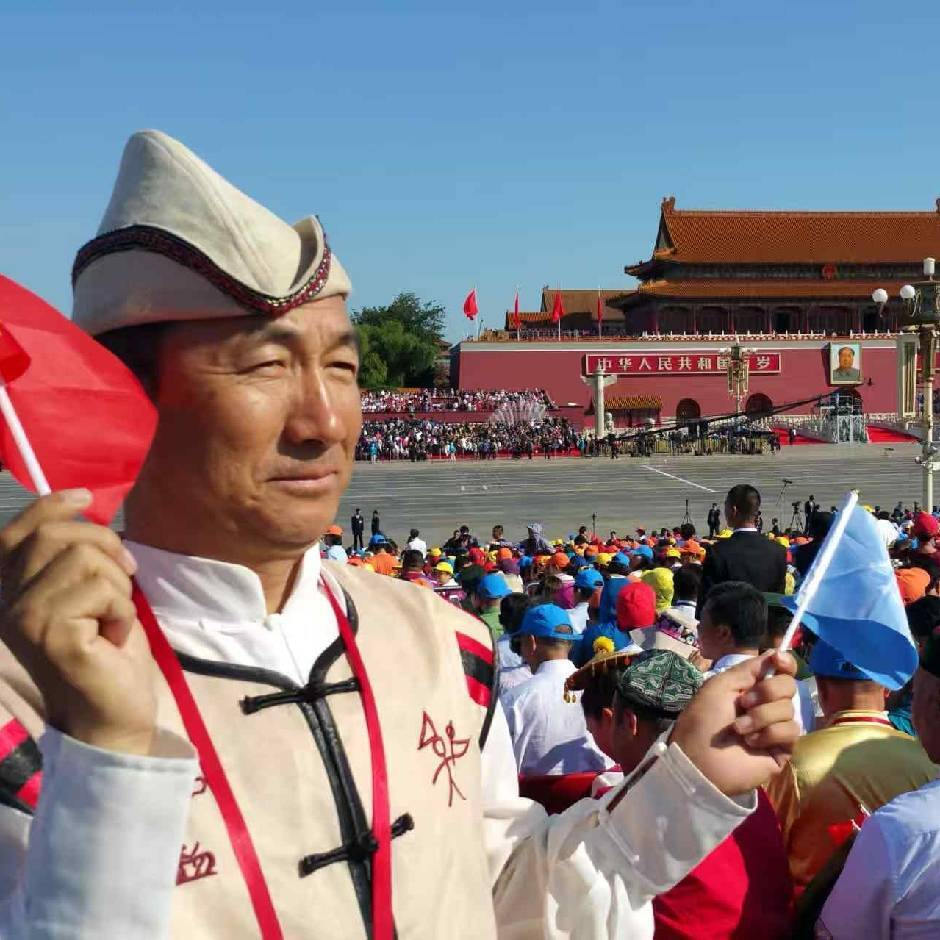

Immersive Dongba Culture Experience in Lijiang: Unveiling Ancient Naxi Traditions
2026-08-10
Step into a world where ancient whispers echo through stone alleys and sacred rituals paint the sky with meaning. In the heart of Lijiang, the Naxi people’s Dongba culture—the last living pictographic script—unfolds not as a museum piece, but as a vibrant, breathing tradition. At Jade Water Village, you don’t just observe; you become part of the story, from chanting shamans to handcrafted prayer flags. This journey into the soul of Yunnan promises more than sights—it offers a rare chance to touch the intangible, before modernity muffles its last echoes. Ready to uncover what guidebooks leave out?
Unlocking the Secrets of Dongba Pictographs: A Language from the Gods
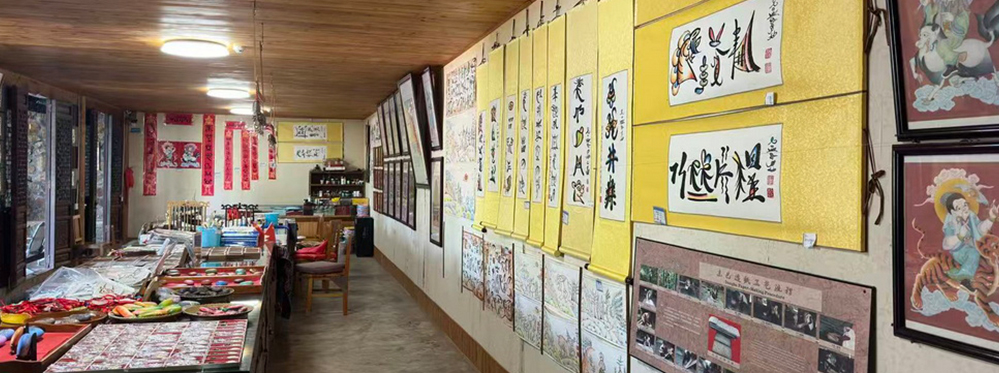
Scattered across the remote valleys of southwestern China, the Naxi people preserved a script so unusual that it seems to hover between image and word. Unlike alphabets built from sounds, Dongba pictographs depict animals, trees, and celestial bodies with a liveliness that still feels immediate centuries later. Each symbol carries layers of meaning—a single drawing of a man beside a fire might tell an entire moral lesson, not just record a fleeting moment. Scholars often call it the last living pictographic system, but that label barely scratches the surface. The real intrigue lies in how these symbols were never meant for everyday chatter. They were reserved for sacred rites, chanted by priests who believed the script itself was a gift from deities, a direct line to forces beyond the mundane.
Deciphering the manuscripts demands more than linguistic skill; it requires stepping into a worldview where nature, myth, and daily life braid together inseparably. A single page can unfold like a ritual map, guiding the reader through chants that banish demons or invite blessings. The pictographs act less as strict writing and more as mnemonic keys, triggering sprawling oral narratives that have been passed down through generations. Researchers working with the dwindling number of Dongba priests often find that the same symbol might be interpreted differently depending on the ceremony or the village where it is used. This fluidity makes the script both maddening and magnetic—it resists tidy cataloguing, yet reveals a culture that saw all creation as animate and interconnected.
Modern attempts to digitize and preserve Dongba are caught between reverence and practicality. Digital fonts and databases can record the shapes, but they cannot capture the breath and rhythm of a chant performed at dawn on a mountainside. Younger Naxi people, many raised with Mandarin and smartphones, sometimes view the script as a relic rather than a living voice. Yet a quiet revival is stirring in small workshops where elders teach stroke by stroke, not just the forms but the stories that cling to them. These efforts remind us that the script was never just about communication—it was an act of remembrance, a way of seeing the world as alive with meaning. The secrets locked in those pictographs endure not despite their sacred origins, but precisely because of them.
Stepping into a Sacred World: The Heartbeat of Naxi Rituals
The first step into a Naxi ritual is like crossing an invisible threshold where the everyday dissolves into something older and deeper. It’s not simply a performance—it’s a living conversation with the unseen. The air grows thick with the scent of burning pine and the low, resonant chant of the dongba, the ritual specialists who inherit centuries of oral tradition. Here, rhythm isn’t just musical; it’s the pulse of a worldview. The slow, deliberate beat of the drum echoes the mountains, the wind, the heart. Every gesture, every syllable, is a thread tying the human realm to the spirits of earth and sky.
For the Naxi, rituals aren’t separate from life but woven into its fabric—birth, healing, harvest, death—all marked by ceremonies that carry the weight of ancestry and the hope of balance. The heartbeat you feel isn’t just the drum; it’s the collective memory of a people who have held onto their distinct identity in the shadow of towering cultures. In the flicker of oil lamps and the shuffle of feet on worn flagstones, there’s an intimacy that no museum or book can replicate. It’s raw, unpolished, and utterly sincere.
Outsiders often search for something mystical, but what stays with you is the startling humanness of it all—the way a chant breaks into a laugh, the tender way an elder corrects a child’s offering. The sacred here isn’t locked away in solemnity; it breathes in small, fleeting moments. To step into this world is to remember that ritual, at its core, is just people trying to make sense of the infinite with whatever hands and voices they’ve been given.
Echoes of Baisha: Mastering the Ancient Tunes of Naxi Music
The ancient tunes of Baisha are not merely melodies; they are the whispered memories of a people who have lived beneath the Jade Dragon Snow Mountain for centuries. Originating from the Naxi community in Lijiang, this music is a delicate thread connecting the past to the present, blending Taoist liturgical chants, Confucian ritual sounds, and local folk rhythms into a serene, almost meditative soundscape. To truly understand it is to step into a world where every note carries the weight of history, and every silence reverberates with meaning.
Learning these tunes demands far more than technical proficiency. It requires a slow immersion into the Naxi way of life—observing the subtle gestures of a dongjing master’s fingers on the erhu, or feeling the communal breath during a lengthy nave performance. The transmission is still largely oral, passed down through patient repetition and deep listening, not through hurried notation. Hours are spent not just practicing, but absorbing the philosophy behind the music: a reverence for nature, a respect for ancestors, and an understanding that the space between notes is as vital as the notes themselves.
Mastery comes when the musician stops playing the music and starts inhabiting it. It is in the slight vibrato that mirrors a mountain stream, or the sudden pause that evokes a cloud passing over the moon. For those dedicated enough to walk this path, the reward is not applause but a profound inner stillness, a direct line to a lineage that has survived wars, migrations, and the erosion of time. To play Baisha music is to keep a fading world alive, one resonant note at a time.
From Bark to Art: The Timeless Craft of Dongba Papermaking
Deep in the foothills of the Himalayas, the Naxi people have safeguarded a papermaking tradition that transcends mere utility. Dongba paper, crafted from the fibrous bark of the Wikstroemia plant, emerges from a process that feels more alchemical than artisanal. Harvested, boiled, and beaten into a pulp, the fibers are then scooped onto a cloth screen and sun-dried into sheets of extraordinary texture and resilience. Unlike industrial papers, each piece bears the subtle imprint of its maker’s touch, with a surface that seems to hold shadows of ancient forests.
What elevates this craft beyond technique is its sacred purpose. Dongba paper is inseparable from the pictographic script of the Dongba priests, whose manuscripts record rituals, legends, and knowledge spanning centuries. The paper’s natural durability—resistant to insects and decay—has allowed these fragile-looking scrolls to survive for generations, becoming time capsules of a worldview where nature and spirit are one. For the Naxi, making paper is not simply about producing a material; it is a form of storytelling, each sheet a quiet vessel for the voice of their ancestors.
Today, as modernity encroaches, a handful of dedicated artisans refuse to let the craft become a museum piece. In workshops tucked away in Lijiang’s old quarters, visitors can witness the rhythmic dance of pulp and screen, and even try their hand at forming a sheet. The experience is a reminder that true artistry lies not in perfection, but in the patient hands that coax beauty from bark, turning a common shrub into a canvas for sacred memory.
Feast in a Naxi Courtyard: Flavors Passed Down Through Generations
Step into a stone-paved courtyard in Lijiang, where the air is thick with the scent of woodsmoke and simmering broth. Beneath the carved eaves of a traditional Naxi home, three generations gather around a low table, their faces lit by the soft glow of lanterns. Here, the meal isn’t rushed—it’s a slow, deliberate ritual. A clay pot of Lijiang baba, a flaky flatbread speckled with ham and scallions, is torn apart by hand and passed from eldest to youngest. Each bite carries the memory of grandmothers who once kneaded dough on these same flagstones, their recipes never written down, only whispered while stirring.
At the heart of the feast sits a bubbling hot pot—a humble but sacred vessel. The broth, infused with foraged mountain herbs and cured yak meat, has been steeping since dawn. Around it, plates of crisp ferns, wild mushrooms, and thin slices of fiery Naxi sausage crowd the table. There’s no strict order to the eating; you dip what you crave, letting the stock deepen with every ingredient. The real magic, though, is the salted pork that hangs year-round in the rafters, absorbing the alpine chill and the smoke of pine-wood fires. It’s preserved using a technique that some families still guard like a secret, believing the cold, thin air gives it a texture no lowland slaughterhouse can replicate.
Conversation flows in a mix of Naxi dialect and Mandarin, punctuated by the clink of tiny cups of suyou cha—a fermented tea whipped with yak butter and salt. As the evening deepens, a matriarch might hum a fragment of an old tune while refilling bowls, her hands steady despite her years. The courtyard’s centuries-old camellia tree watches over the scene, its red petals occasionally drifting down like silent witnesses. There’s a quiet understanding that this is more than sustenance—it’s a living history. Every shared dish, every stored jar of pickled vegetables, is a thread connecting the present to a past that won’t be abandoned as long as there are children willing to learn the taste of home.
Whispers of the Old Town: Where Dongba Spirit Lives On
Cobblestone lanes wind through a maze of weathered timber and clay, carrying footsteps that echo centuries of trade and tranquility. Here, the Dongba script, the last living pictographic writing system, adorns shopfronts and shrines not as mere decoration but as a daily dialect of identity. Elders gather under ancient trees, their murmured chants drifting through the alleyways like incense smoke—words preserved from a faith that sees spirits in wind, water, and stone. This is no theme park version of heritage; it's a breathing continuum where rituals for mountain gods and ancestors are stitched into the fabric of waking life.
Step into any courtyard and you might find a shaman in ordinary clothes, mixing cosmology with tea, his hand-painted scrolls unfurling stories of creation, demons, and divine battles. The Dongba culture isn't locked inside glass cases but thrives in the hum of everyday exchanges—a blessing whispered over a newborn, a talisman drawn for a departing traveler, a moonlit dance that honors the eternal struggle between darkness and light. The rhythm here follows a quieter clock, one set by the Naxi people's deep-rooted belief that harmony isn't something you chase; it's something you carefully tend.
At dusk, the stone bridges arch over canals that mirror the fading sky, and the town exhales a collective memory. Music spills from a nearby hall—ancient harmonies that predate notation, passed down solely by ear and soul. Each note feels like a secret shared only with those willing to listen beyond words. In this corner of the world, the Dongba spirit doesn't merely survive; it hums a quiet, resilient tune that seeps into your bones, inviting you to walk slower, breathe deeper, and remember that some truths are written only in the heart.
FAQ
It's a hands-on journey into Naxi traditions—you'll explore ancient pictographic scripts, watch shamanistic rituals, and even try your hand at making the region's iconic Dongba paper, all while surrounded by the stunning backdrop of Jade Dragon Snow Mountain.
Absolutely! Many workshops in Lijiang's old town let you sit down with a Dongba priest who patiently guides you through the strokes of these sacred characters. You'll leave having written your name in the world's last living pictographic script.
Unlike many modern faiths, Dongba is deeply animistic—ceremonies often involve chanting, dancing, and offerings to nature spirits. You might see a ritual to appease the mountain god, complete with colorful costumes and haunting music.
Yes, beyond touristy spots, some programs take you to villages like Baisha or Yuhu, where elders still live according to old rhythms. You might share a meal of cured ham and baba bread while hearing folk tales in a courtyard lit by lanterns.
The Naxi believe the landscape is alive. The snow-capped mountains, rivers, and forests are woven into their myths. For instance, the hero Dingba Shiluo is said to have created the script from patterns he saw in birds' footprints and cracks in rocks.
Definitely! Some tours blend trekking through Tiger Leaping Gorge with stays in Naxi farmsteads. After a day of hiking, you warm up by a fire, listening to shamans recite epics that date back millennia.
Beyond papermaking, you can try weaving with local wool, pressing your own Dongba-style seal, or painting a small cloth with natural dyes. Each craft has symbolic meanings—for example, the frog design represents fertility and water.
It's a blend of grassroots passion and institutional support. Young Naxi are forming music groups that fuse ancient tunes with modern beats, while schools teach the script. As a visitor, your curiosity helps sustain these efforts—locals love sharing their heritage with sincere travelers.
Conclusion
In Lijiang, the ancient Naxi traditions come alive through an immersive Dongba culture experience that transcends mere sightseeing. The journey begins with the Dongba pictographs, a script so sacred it is described as a language from the gods. These intricate symbols, still used by Dongba priests, open a window into Naxi cosmology and philosophy. Visitors trace the delicate strokes under the guidance of a shaman, feeling the weight of centuries in their hands. The spiritual immersion deepens when stepping into sacred rituals, where the heartbeat of Naxi ceremonies resonates—chants, incense, and rhythmic dances that channel the divine. Not far away, in the village of Baisha, ancient musical scores survive in the hands of living masters. Learning to play the ancient tunes on traditional instruments like the guqin or the bawu becomes a meditation in sound, each note echoing the laments and joys of generations. These arts are not static relics but living practices, woven into daily life by the Dongba faith.
Beyond the spiritual and auditory, the tactile heritage of Dongba papermaking reveals the ingenuity of the Naxi people. Crafted from the bark of the alpine hydrangea bush, the paper is both durable and insect-resistant—ideal for preserving sacred texts. Visitors grind, shape, and dry the bark, transforming raw nature into a canvas for the gods. This craft segues naturally into the culinary traditions: a feast in a Naxi courtyard restaurant, where flavors passed down through generations tantalize the palate. Dishes like baba bread, cured ham, and wild-harvested mushrooms tell stories of the land, each recipe an heirloom. As evening falls, wandering through Lijiang’s old town, the whisper of the Dongba spirit persists in narrow alleys and moonlit bridges. The Dongba culture is not confined to temples; it lives in the smiles of the Naxi people and the timeless rhythm of their daily life. An immersive encounter here is not just an introduction—it’s a deep, sensory imprint of a civilization that has gracefully endured.
Contact Us
Contact Person: Changhong He
Email: [email protected]
Tel/WhatsApp: 086-0888-5190152
Website: https://vip.e-baixing.com/ysh