

High-Evaluation Natural Gas Generator: Key Features and Buying Tips
2026-11-03
Natural gas generators are increasingly becoming the go-to choice for reliable, clean, and cost-effective backup power. But with so many options on the market, how do you separate a high-evaluation unit from the rest? This guide breaks down the essential features to look for and offers practical buying tips, so you can invest with confidence. From fuel efficiency to noise levels, we've got you covered. And when it comes to trusted performance, DINGBO POWER stands out for its engineering excellence and durable design. Let’s dive in.
Can a Natural Gas Generator Cover Your Whole House?
Whether a natural gas generator can run your entire home depends less on the fuel itself and more on how the unit is sized against your household's peak demand. A properly rated standby generator—typically 20 kW to 26 kW for a large home—can handle most or all circuits simultaneously, including air conditioning, electric ovens, and well pumps. The key is matching the generator's continuous output to the starting surge of your biggest appliances, not just their running watts.
Natural gas has an advantage here because it delivers a steady fuel supply without refueling interruptions, which lets the generator run indefinitely during an outage. But that doesn't mean every gas generator will cover every house. Many homeowners opt for a smaller unit paired with an automatic load-shedding system, so the generator prioritizes essential circuits while temporarily dropping non-critical loads like a second water heater or garage outlet.
In practice, a whole-house natural gas setup is very achievable, but it usually requires a licensed electrician to verify your gas meter's flow capacity and your electrical panel's transfer switch setup. Without that check, you might end up with a generator that can't keep up when the AC kicks on during a summer blackout.
Rated Power vs. What You Can Actually Use
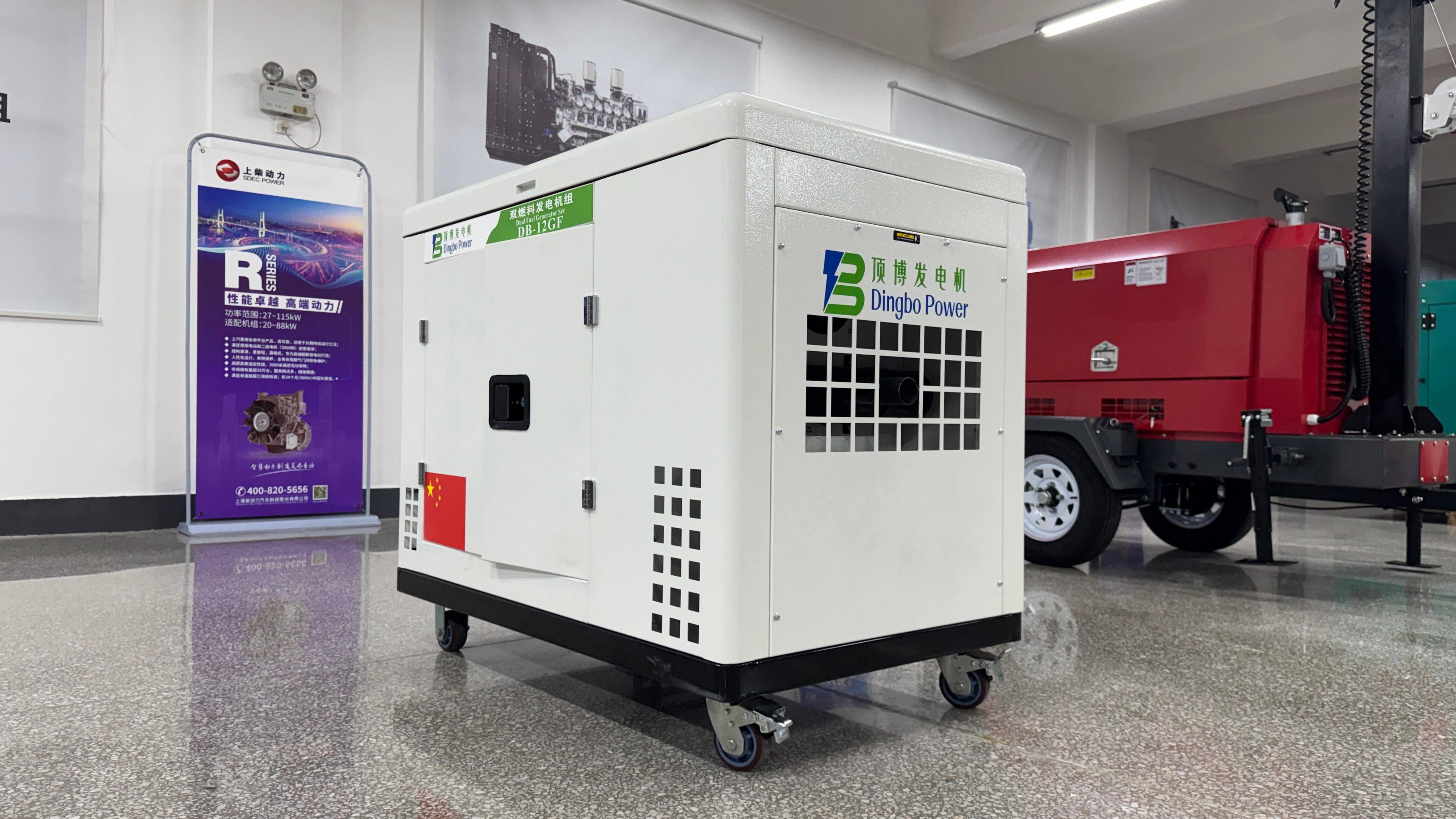
The number printed on the label is the rated power, measured under clean lab conditions with ideal loads and stable temperatures. Real life rarely matches that setup. Heat builds up, cables lose a bit of voltage, and devices like motors or compressors draw extra current when they start. A power station rated at 1000W might trip its protection circuit if you try to pull 1000W for more than a few minutes. In practice, you might get 800 to 850 watts of continuous output before it gets too hot or shuts down. That gap isn't a flaw; it's the margin every engineer leaves to keep the hardware alive.
Batteries show the same pattern in a different way. A pack may say 2000Wh, but the battery management system won't let you drain it to zero. Most units keep 5 to 10 percent in reserve to prevent permanent damage. Cold weather makes it worse, sometimes cutting usable capacity by 20 percent or more. So that 2000Wh unit might hand you 1600 to 1700Wh on a mild day, and less when it's freezing outside. The sticker number isn't lying, but it assumes conditions you won't always have.
Peak power ratings add another layer of confusion. A generator or inverter might advertise 3000W, but that figure only applies for a few seconds while starting a motor. The continuous rating could be 2400W or lower. If your load runs close to the peak number for a long time, the unit will overheat or shut off. Always match your expected steady load to the continuous rating, not the big number on the box. That simple habit saves a lot of frustration later.
Fuel Consumption Numbers Worth a Second Look
Manufacturers love to highlight highway mileage, but the number on the window sticker rarely matches what you see at the pump. Real-world fuel consumption depends on how hard you accelerate, how long you idle, and even the blend of fuel in your tank. When comparing vehicles, it is more useful to look at independent road tests that record consumption over mixed driving rather than trusting a single laboratory figure.
Cold starts and short trips are often overlooked in official ratings. An engine runs rich until it reaches operating temperature, which means a five-minute commute can use considerably more fuel per mile than a longer highway run. If most of your driving happens in town, pay attention to cold-weather and urban test data, because those conditions expose weaknesses that the standard combined number smooths over.
Tire pressure, roof racks, and even the weight of passengers quietly shift consumption in ways brochures do not mention. A vehicle that looks efficient on paper can become thirsty when loaded for a family holiday or fitted with all-terrain tires. Before you commit to a purchase, search owner forums and long-term reviews for the fuel economy people actually report after several thousand miles.
How Loud Is Too Loud for Your Backyard?
A leaf blower running across the fence can push past 75 decibels, and if it lingers there for an hour, the calm of your patio is effectively gone. Most people start to notice strain around 70 decibels, and prolonged exposure above 80 can make conversation difficult without raised voices. A better yardstick is whether you can hold a normal chat while the sound is present; if you’re leaning in to be heard, it’s too loud for that moment.
Common backyard sources vary more than people expect. A mower usually sits between 80 and 90 decibels at the operator’s ear, while a fountain or rustling tree canopy stays below 50. The problem compounds when several tools or speakers overlap; two 70-decibel sounds don’t simply add up, but the combined effect raises the overall loudness enough to push a relaxing afternoon into irritation. Time of day matters too, because early morning or late evening noise cuts through a quieter baseline.
Local rules rarely capture what feels invasive from a neighbor’s yard, so your own comfort is the more reliable guide. If the sound forces you indoors or makes you reach for headphones, it’s past the point where the backyard serves its purpose. Lowering the source, adding a hedge or fence panel, and spacing out noisy tasks can bring a space back under the threshold where it still feels like an outdoor room rather than a worksite.
Installation and Venting Problems Buyers Often Miss
A surprising number of homeowners focus on burner output or tank capacity, yet overlook how the unit will actually breathe. Poor placement near a window, door, or air intake can send exhaust right back inside, defeating the purpose of the vent. Many buyers also forget that horizontal runs need a slight upward slope—without it, condensation pools and slowly corrodes the pipe from the inside out.
Clearances get ignored until the inspector shows up with a tape measure. The distance from the vent termination to soffits, corners, and neighboring structures is not a suggestion; it is a fire and carbon monoxide issue. If the existing hole in the wall does not line up with the new appliance, the “easy” fix often introduces extra elbows, and each elbow quietly reduces draft and increases noise.
Finally, combusion air deserves more respect. Modern tight homes can starve a natural-draft appliance, causing lazy flames and backdrafting. Buyers who check the manual’s venting table before purchasing—not after—save themselves from cutting extra holes, redoing drywall, or discovering that the charming fireplace location simply cannot safely handle the unit they wanted.
Maintenance Habits That Keep It Running for Years
Most machines don't die from a single catastrophic failure—they fade from a thousand small neglects. The difference between an engine that starts on the first pull after five years and one that needs a rebuild often comes down to boring, unglamorous checks. Oil level, coolant condition, and air filter cleanliness are the big three, but don't ignore the less obvious stuff: grease fittings that haven't seen a gun in months, battery terminals growing white fuzz, and belts that have taken a set from sitting too long.
A quick walk-around before each use catches loose bolts, frayed cords, and seepage around seals before they turn into expensive repairs. Run your hand along hydraulic hoses for cracks, give the exhaust a sniff for anything sweet or burnt, and listen for a knock that wasn't there last week. Write down what you find—a simple notebook in the toolbox beats a perfect memory every time. Those notes turn vague worries into a maintenance schedule you can actually follow.
Long-term storage is where good intentions go to waste. If it's going to sit for more than a month, add fuel stabilizer, run it long enough to circulate, then top off the tank to keep condensation out. A battery tender is cheaper than a new battery, and a breathable cover stops dust from working its way into electrical connections. Once a season, even if you haven't used it, start it up, let it reach operating temperature, and move every lever and pedal through its full range. Stiffness in storage becomes failure in the field.
FAQ
Look beyond the peak wattage sticker. A dependable unit usually has an oversized alternator, a corrosion-resistant enclosure tested for salt spray, and a documented cold-start test at -20°F. If the manufacturer won't share load-step recovery times, that's a red flag.
Request the fuel burn chart at 25%, 50%, 75%, and 100% load. Don't rely on the 'full load' figure alone because most outages won't push the generator to max output for hours. A unit that sips 180 cubic feet per hour at half load will age better on your gas bill than one that only looks efficient at full throttle.
For a whole-home standby unit, yes. Without it, you're manually connecting extension cords or backfeeding a panel, which creates safety risks. A quality ATS also does load shedding, so your generator won't stall when the air conditioner kicks on while the dryer is running.
Plan for oil and filter changes every 100 to 200 hours of runtime, annual spark plug replacement, valve lash checks around 500 hours, and monthly no-load exercise cycles. Write down the battery replacement interval too; many owners forget the battery until it's dead during an outage.
Clearance rules vary by local code, but common requirements are 18 inches from a non-combustible wall, 5 feet from windows and doors, and 10 feet from any air intake. Your gas utility may also require a dedicated meter upgrade, so pull permits before placing the pad.
The gap usually comes from alternator quality, engine brand, sound attenuation, enclosure material, and warranty coverage. A 22kW unit with a brushless alternator, weather-treated circuit boards, and a 5-year parts warranty will cost more than a box-store model with a brushed head and a 2-year warranty.
List the loads you'd actually run during an extended outage: furnace blower, fridge, sump pump, well pump, a few lights, and maybe a microwave. Add their starting watts, not just running watts. Then choose a generator that can handle 125% of that total, because motor inrush can briefly double the draw.
Conclusion
A natural gas generator that earns high marks isn't just about a big wattage number on the box. The real question is whether it can carry your entire household load, and that means understanding the gap between rated power and continuous usable output. Many buyers look at starting watts and assume they're covered, only to trip breakers when the well pump, refrigerator, and air handler kick on together. Fuel consumption deserves a second look, too: two units with the same rated output can burn noticeably different amounts of gas under partial load, which adds up over a week-long outage. Don't overlook the noise spec either—some models idle quietly but roar under load, turning a backyard into a headache.
Installation mistakes often come down to venting and clearance. A generator placed too close to windows or under eaves can push carbon monoxide back into the house, and poor airflow shortens engine life. Once it's installed, the units that last are the ones that get simple, regular attention: checking oil, swapping filters, and running a short loaded test every month. If you're comparing models, ask for real-world load test data instead of marketing charts, and listen to the unit run at 75% capacity before buying. A high-evaluation natural gas generator is not the cheapest option—it's the one that holds voltage steady, starts reliably, and doesn't demand constant fuss.
Contact Us
Contact Person: Rita
Email: [email protected]
Tel/WhatsApp: +8613481024441
Website: https://www.dbdieselgenerator.com/