
Forged Steel Gate Valve Exporter Selection Tips for Global Buyers
2026-11-16
Sourcing a forged steel gate valve exporter that actually delivers on paper specs isn’t as straightforward as most buying guides suggest. One shipment with the wrong pressure class or incomplete material traceability can stall a project for weeks, and the real differences usually sit below the surface: heat treatment records, testing consistency, packing quality, and how openly a supplier handles documented claims. For buyers tired of vague answers, CRXV has built its export approach around transparent documentation and repeatable production standards. Before you shortlist another supplier, here are the selection factors that deserve more than a glance.
Spotting a Forging That Isn't
Most collectors assume a forgery reveals itself through sloppy brushwork or the wrong kind of rust. The truth is messier. A piece can scream fake from across the room, yet still carry the weight of genuine history because it was never meant to deceive anyone. The problem isn't just spotting a fake; it's knowing when your alarm bells are pointing at the wrong suspect.
Take the case of an 18th-century chair with machine-cut dovetails. A quick glance says modern reproduction. But some cabinetmakers experimented with early mechanical saws long before the industrial boom. The maker's hand, the regional wood, the faint tool marks under the drawer bottom tell a different story. If you stop at the first anomaly, you miss the object's real identity. A true expert learns to ask what else could explain the discrepancy besides fraud.
The difference comes down to motive and sequence. A forger copies a famous style to cash in. A genuine oddity breaks the rules because its creator was poor, experimental, or working at the edge of a technical shift. Look for internal consistency: does the wear pattern match the claimed age? Are the repairs old enough to have their own history? When the evidence contradicts the label but fits a plausible human story, you may be holding not a fake, but a survivor from a messier past.
The Certificate File Few Buyers Open Before Payment
Most buyers treat the certificate file like a formality. It sits in the email thread, unopened, while they scroll through pricing, lead times, and product photos. Payment gets approved, production starts, and only later—when a customs broker or a compliance team asks for proof—does someone dig through the attachments and realize the document was there all along.
What that file actually holds is often more concrete than the sales talk. Material composition, test results, factory audit codes, or the exact scope of a safety mark can change how a product clears a border or passes an inspection. A buyer who skips it is essentially signing off on details they have not seen.
Sellers who point to the certificate before payment, even with a single line about what it covers and when it was issued, make the file harder to ignore. It stops being an attachment and starts functioning as part of the offer.
How to Tell a Gate Valve Maker from a Slick Middleman
Ask for a live video of the machine shop, not a brochure. A real gate valve maker can walk a phone through the casting bay, the CNC section, and the pressure test bench within a few minutes. A middleman usually hesitates, promises to send photos later, or shows the same generic factory tour everyone else uses. If they cannot show material heat numbers or a test report with a recent date, that is a warning sign.
Push on traceability and after-sales support. Genuine manufacturers keep records that link a valve body to its cast batch, machining date, and pressure test result. They can also tell you how they handle a warranty claim beyond replacing the valve, such as sending a technician or investigating the failed part. Slick intermediaries tend to offer a lower price and a vague answer about the factory name, and they rarely know the difference between wedge materials under stress.
Test them with a small custom request. Ask for a nonstandard flange drilling, a specific trim material, or a different paint thickness. A maker will quote it based on production capability and maybe push back if your spec creates a weak point. A middleman will often say yes to everything, then quietly source whatever is cheapest. The willingness to say no or explain constraints is often the clearest sign you are talking to a factory.
What the Quote's Fine Print Says About the Supplier
A quote rarely reveals itself in the headline figure. The real character of a supplier hides in the clauses, the payment terms, and the quiet assumptions tucked below the line. One vendor might offer a lower unit price but attach a minimum order quantity that bends your cash flow. Another might bury a clause about price revisions every quarter, while sounding perfectly fixed during the sales call. Reading the fine print is not about hunting for traps; it is about understanding how the supplier thinks when no one is looking.
Look closely at how a supplier handles delivery windows, packaging specs, and warranty boundaries. A company that writes vaguely about lead times or softly excludes certain defect categories is telling you something about its confidence in its own operations. Clear, narrow exclusions and honest constraints suggest a team that knows its limits. Overly broad disclaimers suggest a team preparing for blame. The fine print often shows whether the sales promise is backed by production reality or by a legal cushion.
Payment terms can be equally revealing. A supplier that demands full prepayment while also reserving the right to delay shipment is shifting every risk onto you. A supplier that offers staged payments tied to inspection milestones is showing respect for the shared nature of the deal. The quiet language around force majeure, cancellation, and material substitution tells you how they plan to behave when problems appear. In the end, the fine print is the supplier's true voice, less polished but far more honest than the brochure.
Sample Orders That Reveal More Than a Datasheet
Ordering a few sample units before committing to a production run can expose the kind of behavior no datasheet ever documents—thermal drift after thirty minutes under load, latch-up sensitivity near a specific input voltage, or a quiescent current that shifts once the board reaches operating temperature. These are not the headline numbers you compare across columns; they are the quirks that determine whether a design survives its first field deployment. When you have physical parts in hand, the bench starts telling you what the marketing plots deliberately leave out.
A datasheet gives you typical performance curves under idealized test conditions. A sample order gives you tolerance stacking, solderability quirks, and the occasional batch-to-batch variation that never appears in a revision history. One engineer may find that a voltage reference drifts by a few millivolts after hot-air rework, while another notices the enable pin floats high at cold startup. Those observations do not fit neatly into an EC table, but they frequently decide whether the part earns a spot in the BOM or gets flagged as a reliability risk.
The value of sampling is not in confirming that the part meets spec—that is assumed. It is in discovering the undocumented failure modes, the marginal behavior at the edges of your own circuit, and the practical assembly issues that only show up when you stop reading and start soldering. A well-chosen sample order can replace weeks of simulation guesswork with an afternoon of honest measurement.
Why the Best Exporter Conversations Happen After Delivery
Most exporters treat delivery as the finish line, but the most useful conversations rarely start until the goods have arrived. Once a buyer has the shipment in hand, they notice small things that never show up in specs or emails—how the packaging handled a humid port, whether the labeling matched their warehouse flow, or how quickly a replacement part would actually reach them. That shift from expectation to daily use is where real feedback lives.
After delivery, the tone changes. Beforehand, both sides are negotiating or managing logistics; afterwards, the buyer is less guarded because the immediate risk is gone. A short call or message asking what didn't go as planned tends to surface details a formal survey never catches. Exporters who stay close during this window hear about problems early enough to fix them before they become reasons to switch suppliers.
These post-delivery exchanges also build the kind of memory that leads to reorders. A buyer may not remember a perfect invoice, but they remember the exporter who called when a carton arrived damaged and sorted it without making them chase. That is when a transaction starts to feel like a relationship, and why the next order often goes back to the same desk without a fresh round of price shopping.
FAQ
Look for evidence of direct manufacturing or long-term exclusive partnerships. Ask for floor-level photos of machining and testing areas, not just brochures. A dependable supplier will share mill certificates, heat numbers, and pressure test reports without hesitation, and their sales team will know the difference between A105, LF2, and F316 without checking a datasheet.
At minimum request material test certificates per EN 10204 3.1 or 3.2, a hydrostatic test report showing shell and seat pressures at the rated class, and a traceability record connecting each valve body to its heat number. If the exporter resists sharing these or offers only a generic packing list, walk away.
Check the body markings on sample photos or on a pre-production sample. Forged bodies tend to have a smoother surface, tighter dimensional tolerances, and fewer surface defects than sand castings. Also request the raw material supplier's name and forging method. If they cannot explain whether the blanks are drop-forged or open-die forged, that is a red flag.
Not always, but unusual gaps often come from thinner wall sections, lower-grade bolting, or skipped non-destructive testing. Ask for a full cost breakdown including trim material, packing, gasket, and test charges. A serious exporter can explain exactly where their price sits between raw bar stock and final assembly. If the explanation is vague, the savings will likely reappear later as rejects or downtime.
Look for in-house machining centers, a dedicated pressure testing bay with calibrated gauges, and a documented heat treatment process for welded or critical parts. Ask how many valves of your size and class they can test per shift. If they quote fast delivery without discussing test queue capacity, the schedule is probably optimistic.
Request data from their last three shipments to customers in your region, including first-pass yield and any field complaints. An honest exporter may share summary statistics even if they remove customer names. Also ask about their internal rejection rate at final inspection. A supplier that claims zero defects but cannot show process control records is likely filtering information.
Expect a clear contact person for technical issues, a written warranty covering body and seat leakage for a defined period, and a process for replacement parts without waiting for the next full container. Ask for a sample warranty certificate before ordering. The best exporters include installation torque values and maintenance intervals instead of leaving you to figure it out.
Yes, and most experienced exporters accept SGS, TUV, Bureau Veritas, or a local inspector you choose. Clarify who pays for witness testing, re-testing, and any corrective work before the inspector arrives. A supplier that refuses third-party inspection on a first order is not one you want to train with your money.
Conclusion
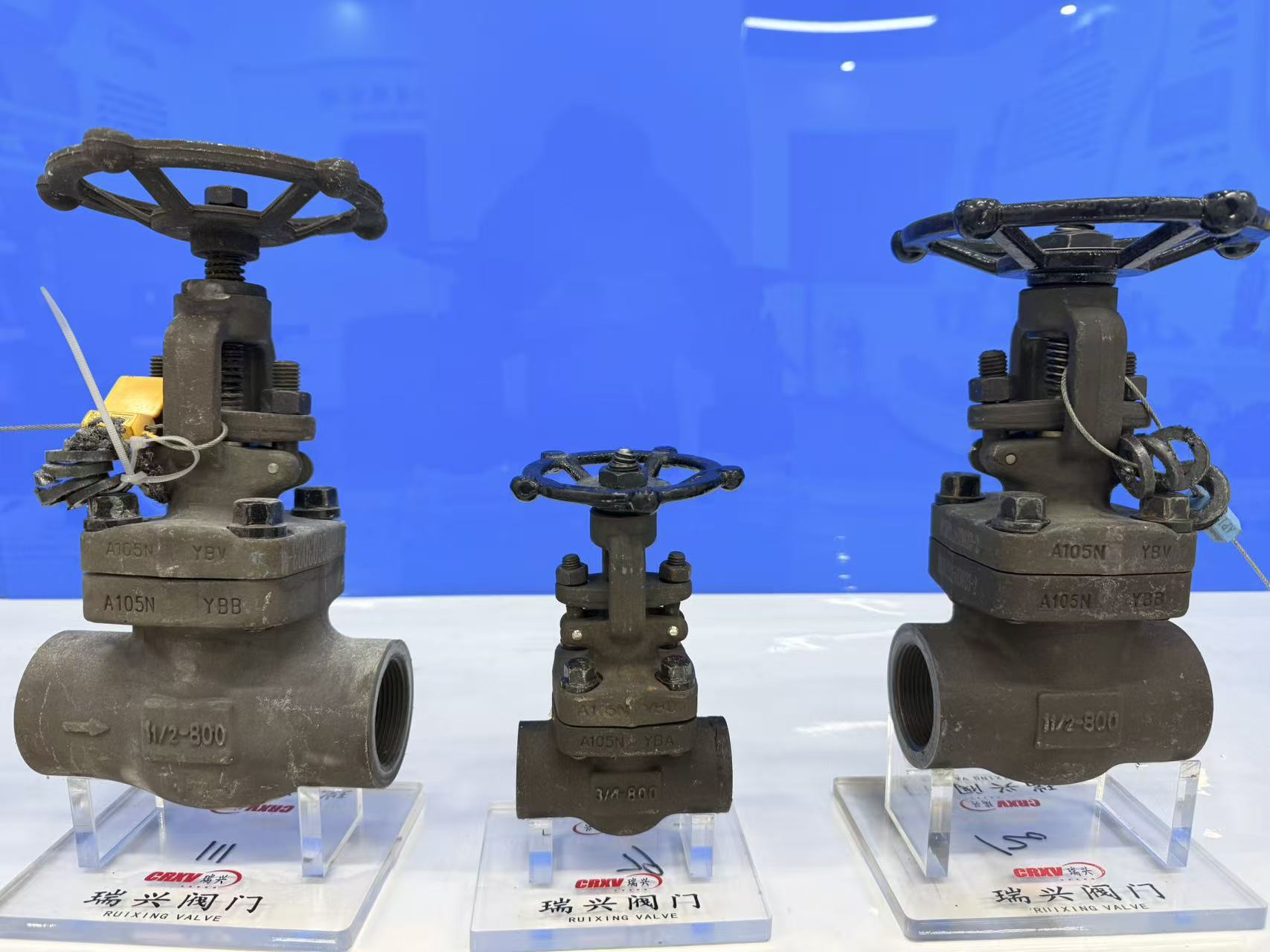
Global buyers often focus so heavily on price and delivery that they miss the quiet signals distinguishing a reliable forged steel gate valve exporter from a reseller with polished brochures. A genuine forging shows tight grain flow, uniform surface finish, and no casting-like porosity at the flange or neck; asking for a cross-section photo or a rejected sample can reveal more than a spec sheet. Before payment, ask for the certificate file that traces the heat number to the raw material, includes actual mechanical test results, and names the third-party inspector. If the supplier hesitates to share the mill certificate or offers only a generic ISO page, treat that reluctance as information. Similarly, a maker can discuss forging ratio, wall thickness at the seating area, and past production runs, while a middleman tends to repeat catalog lines and avoids questions about tooling or process control.
The fine print in a quotation often exposes the supplier’s true position. Vague phrases such as “equivalent material” or missing reference to pressure class, trim identification, testing standard, and tolerance limits should prompt specific questions before any order is placed. A small sample order is also a better test than a datasheet because it shows consistency of machining, marking legibility, hardness after heat treatment, and how the exporter handles packaging or last-minute changes. After delivery, the best conversations begin: a serious exporter will follow up on installation torque, seat leakage during commissioning, and spare parts availability, rather than disappearing once the bill of lading is signed. Paying attention to these later exchanges helps buyers separate suppliers who stand behind their valves from those who only sell them.
Contact Us
Contact Person: TIM
Email: [email protected]
Tel/WhatsApp: 8615857807381
Website: https://www.crxv.com/en/