
Export Filter Press: Essential Guide for Global Industrial Buyers
2026-08-06
When it comes to sourcing industrial filtration equipment, export filter presses are a critical investment for operations worldwide. But with so many options on the market, how do you ensure you’re choosing a solution that balances performance, durability, and long-term value? In this guide, we’ll unpack everything global buyers need to know, highlighting key considerations and introducing a trusted name in the industry: Sinou, whose engineering expertise is redefining reliability in solid-liquid separation.
Beyond the Spec Sheet: What Really Matters in Filter Press Performance
Spec sheets throw around numbers like plate size and chamber volume, but those just scratch the surface. In practice, the interplay between feed consistency, cycle timing, and cloth condition determines whether your press delivers dry cakes or a soggy mess. Operators who fixate on maximum pressure ratings often miss that uneven slurry distribution can sabotage even the most robust design, leading to blinding, uneven cakes, and excessive downtime.
Real-world performance hinges on how well the press adapts to your material’s quirks. Slurries with variable solid loads or sticky particles demand thoughtful plate design and automated controls that spec sheets rarely highlight. It’s the difference between a press that lab tests flatter and one that handles Monday morning’s unpredictable feed without clogging every third cycle.
Maintenance and operator know-how tilt the scales just as much as mechanical specs. A straightforward design with easy access to plates and cloths saves hours over months, while smart monitoring that catches hydraulic anomalies before they escalate can keep throughput steady. The most efficient plants focus less on the headline numbers and more on how the whole system—from pre-treatment to discharge—fits into their workflow.
Decoding Filtration Needs: Matching Press Type to Your Industry
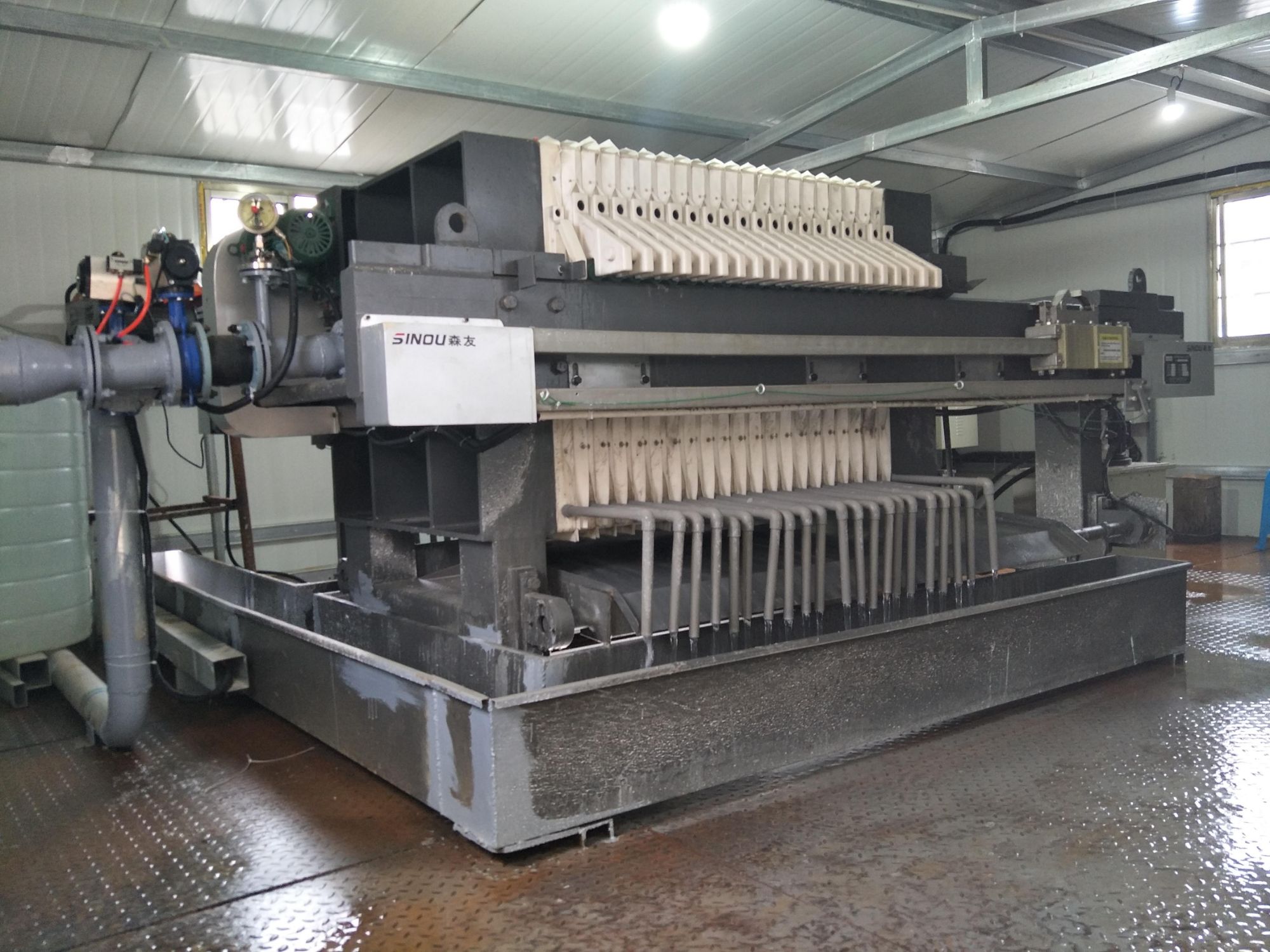
Finding the right press for your filtration process isn’t just about handling volume—it’s about understanding the subtle interplay between slurry characteristics, cycle time expectations, and the physical space you’re working with. A high-pressure membrane press might shine in a mineral processing plant where dry cake is non-negotiable, while a simpler recessed chamber press could be the workhorse for a small-batch chemical operation that values straightforward maintenance.
The pressure and plate configuration you choose often hinge on the particle size and compressibility of your solids. In municipal sludge treatment, a belt press can offer continuous throughput, but when retention time and cleanliness are priorities—as in food-grade applications—a fully automated tower press with CIP capability becomes worth the extra investment. There’s no universal right answer; it’s about mapping the demands of your specific stream to the press’s mechanical strengths.
Operators frequently overlook how ancillary factors like wash efficiency, cloth life, and discharge ergonomics steer the decision. For corrosive environments, polypropylene plates might be a default, but if thermal stability matters, you’ll be eyeing alternatives. The goal isn’t just to filter—it’s to keep downtime low and maintain consistency through shifts. A press that works seamlessly for a kaolin producer might quickly clog in a dairy’s waste stream. Getting the match right saves more than money—it saves the headache of retrofits down the line.
Vetting Overseas Manufacturers: The Questions Brochures Won’t Answer
Glossy brochures and polished websites paint a picture of flawless production lines and happy workers, but when you're thousands of miles away, how do you know what's really happening on the factory floor? The truth is, most marketing materials skip over the gritty details that determine whether a manufacturer can actually deliver consistent quality. You need to probe beyond the sales pitch and ask the uncomfortable questions—about labour conditions, subcontracting practices, and what happens when things go wrong. These aren't theoretical risks; they're the everyday realities that can derail your supply chain.
One area that rarely appears in a brochure is the manufacturer's real capacity and flexibility. They might claim they can handle your volume, but what happens when their biggest client doubles their order? Will your production be pushed aside? And what about their backup plans for equipment failure or raw material shortages? A factory tour won't show you the aging machinery that breaks down every other week, or the crowded warehouse where your inventory will gather dust. You have to dig into maintenance logs, talk to the maintenance crew, and understand how they prioritise orders when capacity gets tight.
Then there's the murky world of subcontracting. Even factories that boast about their in-house production often farm out parts of the process to unvetted third parties, especially during peak seasons. Without a clear line of sight into these secondary suppliers, you lose control over quality, ethics, and lead times. The brochure won't mention the unlicensed workshop down the street that handles overflow orders under the radar. To protect your brand, you need to map the entire production chain, verify certifications aren't just paper deep, and establish direct relationships that go beyond the main sales contact. It's the only way to know if the promises on paper hold up in the real world.
The Hidden Costs That Derail Filter Press Imports
When procurement teams compare filter press quotes from overseas suppliers, the headline price often looks unbeatable. But the real damage surfaces later in the form of logistics surprises, compliance gaps, and operational downtime. Freight charges for these heavy, awkwardly shaped machines can spike without warning—especially when port congestion, container shortages, or last‑minute routing changes hit. Then there’s the hidden bill for customs brokerage, import duties, and the inevitable demurrage fees when paperwork isn’t flawless. One misclassified HS code or missing certificate of origin can leave a press sitting at the dock, racking up daily charges that nobody budgeted for.
Beyond shipping, the less visible costs of making the equipment actually usable start to pile up. Voltage and frequency mismatches demand expensive transformers or drive replacements. Hydraulic systems may arrive flushed with oil that doesn’t meet local environmental regulations, requiring costly disposal and refilling. Spare parts inventories become a headache when the supplier’s standard wear items—filter cloths, plate seals, diaphragm membranes—aren’t compatible with locally available alternatives. You’re locked into a single, distant source for consumables, often with minimum order quantities and lead times that force you to overstock or risk extended shutdowns.
The most damaging hidden cost, however, is the support void after installation. Remote troubleshooting by email across time zones drags simple fixes into days‑long ordeals. Warranty claims morph into logistical nightmares when defective components must be shipped back at the importer’s expense. And without a local technician who truly understands the machine, operators can inadvertently run the press in ways that accelerate wear, void the warranty, and slash throughput. By the time these cracks appear, the supposed savings have evaporated, leaving a stranded asset and a scramble for a reliable local partner who didn’t sell the press in the first place.
Navigating Logistics and Customs Without the Guesswork
Moving goods across borders often feels like piecing together a puzzle where the pieces keep changing shape. Every shipment comes with a fresh set of rules, unexpected fees, and paperwork that seems designed to confuse. But what if you could see the whole picture before you even start? That’s where a truly transparent approach changes the game, turning guesswork into clear, actionable steps.
Instead of crossing your fingers and hoping your cargo sails through customs, you can rely on real-time updates and proactive problem-solving. When a document is missing or a tariff classification raises a flag, you hear about it immediately—with a solution attached. This level of visibility means you’re never left wondering where your shipment is or why it’s stuck, because the answers are always within reach.
The result? Fewer delays, lower costs, and a logistics experience that actually makes sense. When every link in the chain works together openly, you can plan with confidence, respond to changes swiftly, and keep your promises to customers without the usual last-minute scrambling.
Future-Proofing Your Investment: Support, Spares, and Service
When you invest in our equipment, you're not just buying a machine – you're entering a partnership built on reliability. Our support network operates around the clock, staffed by engineers who understand that every minute of downtime matters. They speak your language, literally and figuratively, translating technical complexities into clear solutions without the jargon. From initial setup to ongoing optimisation, we stay by your side, ensuring your operations never miss a beat.
Access to genuine spares is another cornerstone of protecting your investment. We maintain strategic inventories across multiple regions, so critical components reach you in hours rather than weeks. These aren't generic substitutes; each part is manufactured to the original specifications, preserving the integrity of your system and extending its working life. We also offer tailored stockholding agreements that put the parts you need right on your shelf, eliminating unnecessary waiting.
Beyond reactive fixes, our service model emphasises prevention. Scheduled inspections and predictive maintenance catch potential failures before they escalate, saving you from costly emergency repairs. Our technicians document every interaction, building a timeline of your asset's health that informs smarter decisions. When something does need attention, our remote diagnostics often resolve issues without a site visit – and if we do need to come to you, we arrive prepared, with the right tools and parts the first time.
FAQ
A filter press is a batch-operation, fixed-volume machine that separates liquids from solids using pressure filtration. It’s built around a series of filter plates and cloths, and it’s indispensable in sectors like mining, chemical processing, and wastewater treatment because it delivers high cake dryness and clear filtrate with minimal chemical additives.
Start with a thorough material characterization—particle size distribution, solids concentration, and chemical compatibility. Then match those parameters to plate material (polypropylene, cast iron, or stainless steel), chamber thickness, and feed pressure. Pilot testing is often the best way to avoid oversizing or underperformance.
You’ll typically need CE marking for European destinations, ASME certification for pressure vessels in North America, and often regional safety standards like GOST-K for Eurasian markets. Ensure your supplier provides full material traceability, hydrostatic test reports, and a detailed technical file in English and the destination language.
Plate design directly affects filtration area, flow distribution, and cake release. Recessed chambers, membrane squeeze plates, and plate-and-frame variants each suit different dewatering goals. A well-designed plate with proper gasketing and corner feeds minimizes wear and prevents bypass, while membrane plates can slash cycle times by 50% or more.
Yes, but material selection is critical. For hot applications above 90°C, polypropylene plates need special thermal stabilization; for extreme acids or solvents, you’ll look at polyvinylidene fluoride (PVDF) or stainless steel. Gaskets and cloths must be equally resistant—EPDM, Viton, or PTFE-lined materials are common choices.
Look for remote commissioning guidance, comprehensive installation and operation manuals, and accessible spare parts with global shipping. Ideally, the exporter offers on-site training or local service partnerships. Clarify warranty terms for structural frame, hydraulics, and plates—many suppliers cover 12–24 months but exclude wear parts like cloths.
Optimization starts with the right cloth conditioning and feed pump curve. Gradually ramping feed pressure prevents cloth blinding, while implementing an air blow or core blow step lowers cake moisture and transport weight. Automating plate shifting and implementing a cloth washing schedule can extend cloth life by 30% and minimize downtime.
Conclusion
When buying an export filter press, the real story goes far beyond glossy brochures and spec sheets. Performance hinges on the synergy between plate design, cloth selection, and hydraulic closure—details that manufacturers often gloss over. A press that thrives in a European chemical plant might crumble under a Southeast Asian mining slurry, so decoding your actual filtration needs means analyzing particle size, solids loading, and cycle time targets against the true strengths of recessed-chamber, membrane, or plate-and-frame configurations. Vetting overseas suppliers demands digging into their after-sales ecosystem: ask about local service partners, spare parts inventory, and remote troubleshooting capabilities—not just price and lead time. The most telling insights often come from speaking with existing clients in your region, not from the manufacturer's own references.
Hidden costs can quietly derail an otherwise sound procurement if you overlook ancillary equipment, civil works, and the real electricity consumption under peak loads. Freight, customs clearance, and port handling fees add layers of unpredictability, but seasoned buyers mitigate this by working with forwarders who specialize in heavy machinery and by building buffer weeks into project timelines. Long-term value is cemented by securing a supply of OEM-grade spares—like membranes, filter cloths, and hydraulic seals—and by training your team on maintenance best practices before the press arrives. A well-negotiated warranty that covers on-site support and performance guarantees turns a capital purchase into a future-proof asset, allowing you to adapt as your filtration challenges evolve without being held hostage by proprietary parts or distant technical support.
Contact Us
Contact Person: HaiYan
Email: [email protected]
Tel/WhatsApp: +86 18957325588
Website: https://www.senyoubeton.com/