
Custom Engineering Solutions for OEM Rolling Mill Optimization and Performance
2026-02-02
In the fast-paced world of metal manufacturing, achieving peak efficiency and performance in rolling mills is more than just a goal—it’s a necessity for staying competitive. As OEMs face increasing pressure to optimize operations, the demand for tailored engineering solutions has never been higher. At GRM, we specialize in custom engineering that transforms challenges into opportunities, delivering precision-driven innovations designed specifically for your mill’s unique needs. This blog dives into how partnering with GRM can unlock new levels of optimization, reduce downtime, and enhance overall performance. Get ready to explore actionable insights that will inspire you to rethink what’s possible in your facility.
Tailored Engineering Approaches for OEM Rolling Mill Efficiency
In the competitive landscape of metal production, OEMs are now leveraging bespoke engineering strategies to elevate rolling mill efficiency beyond standard benchmarks. These approaches often involve advanced materials selection, such as ultra-hard alloys for roll surfaces that withstand extreme pressures while minimizing wear, alongside integrated cooling systems that maintain precise thermal conditions. By customizing these elements based on specific client materials—like high-strength steels or non-ferrous metals—engineers can fine-tune operations to slash energy consumption and extend equipment lifespan, directly boosting throughput and reducing long-term costs.
Another critical facet lies in the application of smart automation and data analytics. Rather than relying on generic control systems, OEMs are designing modular software architectures that adapt to real-time process variables, such as temperature fluctuations or alloy composition. For instance, predictive algorithms can preemptively adjust roll gaps and speeds based on sensor feedback, ensuring consistent product quality while minimizing scrap rates. This data-driven tailoring transforms mills into dynamic environments where each component communicates seamlessly, enabling operators to make swift, informed decisions without manual intervention.
Furthermore, collaboration throughout the design phase yields unique solutions, such as hybrid drive systems that combine electric and hydraulic elements for optimized torque distribution. By engaging with mill operators early on, OEMs can pinpoint bottlenecks—like uneven cooling or vibration—and implement niche remedies, such as custom-geometry roll bearings or vibration-damping mounts. This partnership-focused engineering not only enhances efficiency but also fosters innovation, ensuring that each mill is a finely tuned asset capable of outperforming off-the-shelf alternatives in both productivity and reliability.
Innovative Solutions to Enhance Rolling Mill Performance and Reliability
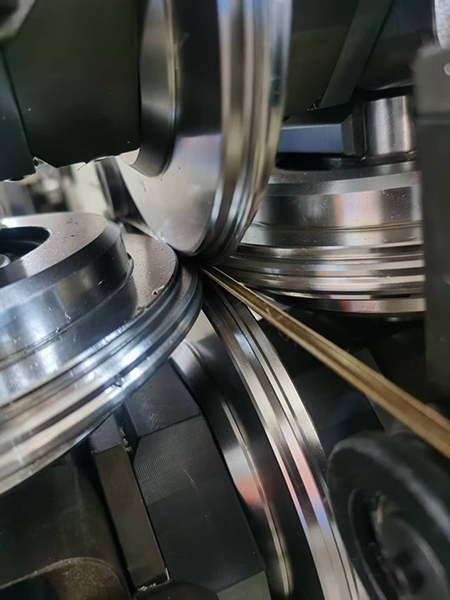
Rolling mills are the workhorses of metal production, but their demanding environments often lead to wear and downtime that can cripple output. Instead of relying on traditional maintenance cycles, forward-thinking operations are adopting predictive analytics and smart sensors. These tools monitor vibrations, temperatures, and lubricant conditions in real-time, spotting potential failures long before they escalate. This proactive approach reduces unplanned stoppages, slashing costs by up to 30% while boosting throughput through optimized scheduling.
Material innovations are also transforming mill components, especially in high-stress areas like rolls and bearings. Advanced ceramics and nano-coated alloys now offer superior resistance to heat and abrasion, extending service life by over 40% compared to conventional materials. These enhancements not only cut replacement frequency but also maintain tighter tolerances in rolling, resulting in higher-quality end products with fewer defects. By investing in such durable solutions, mills achieve a more consistent performance that pays dividends in both reliability and product standards.
Beyond hardware, digital twin technology is emerging as a game-changer for reliability. By creating virtual replicas of entire rolling lines, engineers can simulate operations under various conditions—testing everything from load shifts to maintenance protocols without disrupting production. This enables fine-tuning of processes to prevent bottlenecks and wear patterns, ensuring smoother, more efficient runs. As mills integrate these innovations, they not only enhance day-to-day reliability but also build resilience against future challenges, setting new benchmarks in the industry.
Custom-Designed Components for Optimized Rolling Mill Operations
In the demanding world of rolling mill operations, custom-designed components play a crucial role in enhancing efficiency and precision. By tailoring parts such as rolls, bearings, and cooling systems to specific production needs, mills can achieve tighter tolerances and reduce downtime. This bespoke approach allows for seamless integration with existing machinery, leading to smoother workflows and improved product quality over time.
For instance, custom-engineered guide systems in rolling mills can significantly minimize material waste and optimize throughput. These components are often developed through collaborative design processes that consider unique material properties and operational challenges, resulting in solutions that outperform standard off-the-shelf alternatives. Such innovations not only boost performance but also extend equipment lifespan, making them a smart investment for long-term competitiveness.
Moreover, leveraging custom components enables rolling mills to adapt quickly to changing market demands, such as producing specialized alloys or meeting stricter environmental regulations. This flexibility supports continuous improvement, fostering a culture of innovation that drives operational excellence in this highly competitive industry.
Advanced Strategies to Boost OEM Rolling Mill Productivity and Output
In the competitive landscape of OEM rolling mills, boosting productivity isn't just about speeding up operations—it's about smarter, more efficient workflows. One effective approach involves integrating advanced data analytics and IoT sensors directly into the mill's infrastructure. By monitoring real-time performance metrics like temperature, pressure, and material flow, operators can predict maintenance needs before breakdowns occur, reducing downtime significantly. This proactive strategy not only enhances output but also improves product consistency, giving mills a crucial edge in meeting tight deadlines and quality standards.
Another key area is the adoption of automation and robotics for repetitive or hazardous tasks, such as material handling and quality inspections. Implementing robotic arms or AI-driven vision systems can streamline these processes, allowing human workers to focus on higher-value activities like process optimization and innovation. This shift not only accelerates production cycles but also minimizes human error, leading to more reliable and higher-volume outputs. When combined with tailored training programs for staff, these technologies foster a more agile and responsive manufacturing environment.
Beyond technology, optimizing the supply chain and raw material management can yield substantial gains. By forging strategic partnerships with suppliers and using predictive models to forecast demand, mills can ensure a steady flow of high-quality inputs. This reduces bottlenecks and waste, enabling continuous, efficient production. Emphasizing a culture of continuous improvement, where feedback from the shop floor is regularly incorporated into refining processes, further solidifies these gains, making productivity boosts sustainable over the long term.
Integrated Engineering Solutions for Sustainable Rolling Mill Performance
In the rapidly evolving steel manufacturing sector, integrated engineering solutions are revolutionizing rolling mill operations by seamlessly combining advanced technologies and strategic methodologies. These solutions go beyond simply upgrading machinery; they involve a holistic approach that addresses every facet of the production line, from material handling and temperature control to energy management and environmental compliance. By integrating state-of-the-art automation, predictive analytics, and real-time monitoring systems, mills can achieve unprecedented levels of efficiency and reliability, reducing downtime and enhancing product quality.
What sets these integrated approaches apart is their emphasis on sustainability, which is increasingly critical in today's competitive landscape. They incorporate eco-friendly practices, such as optimizing energy consumption through regenerative braking systems and waste heat recovery, and minimizing water usage through closed-loop cooling processes. This not only helps mills meet stringent regulatory standards but also reduces operational costs, making sustainability a tangible business advantage rather than just an environmental goal.
Moreover, the customizability of these solutions ensures they adapt to the unique challenges of each facility, whether dealing with high-speed production lines or specialized alloy processing. By fostering collaboration between engineers, operators, and maintenance teams, integrated systems create a synergistic workflow that continuously improves performance. This forward-looking strategy not only boosts productivity but also future-proofs mills against market fluctuations and technological disruptions, solidifying their long-term viability and success in a demanding industry.
Proactive Maintenance and Optimization Techniques for Rolling Mills
Taking a proactive stance on maintenance in rolling mills means going beyond simple reactionary fixes to prevent issues before they disrupt production. This approach involves implementing regular inspections and condition monitoring to spot early signs of wear, misalignment, or overheating in critical components like rollers, gears, and motors. By using advanced sensors and predictive analytics, operators can schedule downtime precisely when needed, avoiding unplanned shutdowns that lead to costly delays and compromised product quality. It's akin to giving the mill a health check-up, ensuring every part functions optimally for smoother, more efficient operations.
Optimization techniques focus on fine-tuning the rolling process to achieve higher throughput and better material consistency. This might include adjusting roll gaps and speeds based on real-time data, or applying lubrication systems that reduce friction and energy consumption. By analyzing production metrics, mills can identify bottlenecks and implement targeted improvements, such as upgrading control software or training staff on best practices. The goal is to squeeze every bit of performance out of the equipment, leading not just to cost savings but also to a competitive edge in meeting tighter industry standards.
In practice, combining these proactive and optimization strategies creates a resilient, high-performance rolling mill. For instance, integrating maintenance schedules with production planning ensures that upgrades and repairs align with low-demand periods, minimizing impact. Ultimately, a well-maintained mill isn't just about avoiding breakdowns; it's about fostering a culture of continuous improvement where every tweak contributes to longer equipment life, reduced waste, and a more sustainable operation overall.
FAQ
We offer customized solutions like predictive maintenance systems, process automation upgrades, and material flow optimizations tailored to each client's unique mill setup and production goals.
Unlike off-the-shelf fixes, we integrate deep metallurgical analysis with real-time data analytics to create adaptive solutions that evolve with operational changes and market demands.
For a steel manufacturer, we redesigned the cooling system and implemented AI-driven tension controls, boosting throughput by 15% while reducing energy consumption by 10% in six months.
We utilize advanced sensors, IoT platforms for connectivity, and machine learning algorithms to monitor wear patterns and optimize roll alignment and lubrication processes dynamically.
By designing modular components and providing ongoing support plans, we enable easy upgrades and maintenance, ensuring solutions remain effective as production scales or technology advances.
Common issues include inconsistent product quality and high downtime. We address these with integrated monitoring tools and rapid-response protocols to minimize disruptions and maintain tight tolerances.
We work closely through joint workshops and pilot projects, incorporating feedback from operators and engineers to fine-tune solutions for seamless integration into existing workflows.
Clients typically see improvements such as 10-20% increases in yield rates, reduced scrap generation, and enhanced product consistency, backed by detailed performance tracking reports.
Conclusion
Custom engineering solutions for OEM rolling mills represent a holistic approach to improving operational efficiency, reliability, and sustainability. By leveraging tailored engineering approaches, these solutions address specific challenges in rolling mill efficiency, ensuring that each component and process is optimized for peak performance. Innovative solutions further enhance reliability, reducing downtime and maintenance costs through advanced designs and materials. Custom-designed components play a crucial role, as they are engineered to fit seamlessly into existing systems, boosting productivity and output. This integration of specialized parts with proactive maintenance techniques ensures that mills operate at maximum capacity while minimizing wear and tear.
Advanced strategies and integrated engineering solutions go beyond immediate gains to promote long-term sustainability. By employing proactive maintenance and optimization techniques, mills can anticipate issues before they arise, extending equipment lifespan and reducing environmental impact. These methods not only boost productivity but also align with sustainable practices, making rolling mills more resilient and cost-effective in the long run. Overall, custom engineering solutions transform OEM rolling mills into high-performing, reliable assets, driving innovation and competitiveness in the industry.
Contact Us
Contact Person: Rayna
Email: [email protected]
Tel/WhatsApp: 86 -173 1474 6343
Website: https://www.grmrollingmill.com/