

Conference Chair Company Guide to Choosing Comfortable Event Seating
2026-11-16
Every event planner has watched attendees shift uncomfortably in their seats during a keynote. The right conference chair isn't just furniture—it's the difference between an engaged audience and a room full of clock-watchers. This guide from OFCJNS breaks down what actually matters when choosing seating that keeps people focused and comfortable.
Rethink Seat Width Before the Floor Plan
Seat width is often treated as a fixed number buried in a catalog, but it shapes how people actually experience a space from the first moment they sit down. Before you draw walls or place aisles, ask whether the chosen width supports the intended posture, duration, and sense of personal territory. A narrow chair can make a short meeting feel efficient, while a slightly wider seat may invite someone to settle in for a longer conversation or a focused work session.
This decision also affects circulation, sightlines, and the perceived density of a room. Wider seats tend to demand more generous spacing between rows and tables, which can change the overall footprint before you even start arranging furniture. Rather than treating seat width as a product specification to confirm later, use it as a planning tool to test how different layouts will feel for the people using them.
When you reconsider seat width early, you give yourself room to balance comfort with square footage without making costly adjustments later. It becomes less about meeting a minimum standard and more about tuning the environment to match the activities, the culture of the space, and the unspoken promises made when someone chooses a seat.
Why Armrests Decide Session Length
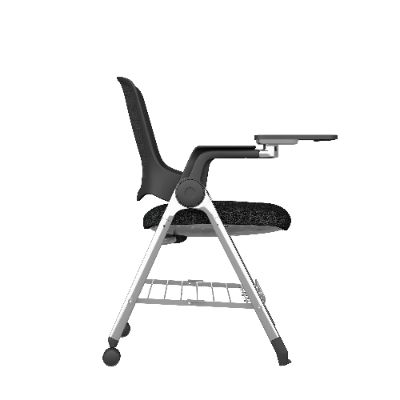
Most people blame a stiff back or numb legs when they cut a meeting short, but the real culprit is often the armrest. If your elbows have nowhere to land, your shoulders tense up to keep your arms from hanging dead weight. That constant low-grade effort drains energy long before any lumbar support fails. A well-placed armrest shifts that load, letting the chair carry your upper body so you can focus on the conversation instead of counting the minutes.
Height matters more than padding. Armrests set too high push your shoulders toward your ears; too low and you lean sideways to make contact, twisting your spine without realizing it. Adjustable ones solve most problems, but even a fixed rest at the right height can extend a session by a surprising margin. The difference isn't dramatic in the first ten minutes—it's at the forty-minute mark when you either ease back into the chair or start squirming.
Next time you watch someone glance at the clock, look at their arms. If they keep repositioning their elbows on the desk, the chair's armrests have already lost the battle. Session length isn't decided by willpower or caffeine; it's quietly dictated by whether your upper body feels supported enough to stay put.
The Cushion Density Sweet Spot
Finding the right cushion density is less about chasing a single number and more about matching how you actually use the seat. Too soft, and the foam collapses within a few months, leaving you sitting on the frame. Too firm, and you might as well be perched on a wooden bench. The sweet spot sits in that middle zone where the cushion gives just enough under your weight to relieve pressure points, yet springs back and keeps its shape after hours of sitting.
Most quality seat cushions land somewhere between 2.2 and 2.8 pounds per cubic foot for polyurethane foam, though that range shifts if you're dealing with latex or memory foam blends. What matters more than the exact spec is how the density interacts with the cushion's thickness and the support base beneath it. A 2.5-pound foam on a solid plywood platform will feel different from the same foam on a sprung webbing base.
If you're unsure, press your hand into the cushion and watch how it recovers. A slow, lazy rebound often signals lower density or too much softener, while a quick snap back without much give hints at over-firmness. The ideal cushion should feel welcoming at first touch, then firm up as you settle in, holding you level without creating that "bottoming out" sensation after a few weeks of daily use.
Stackable Frames That Don’t Feel Temporary
Most modular frames announce their impermanence with flimsy clips and visible seams. These stackable frames take a different route: each unit locks into the next with a machined aluminum channel that disappears once seated, leaving only a slim shadow line between sections. The result reads less like a temporary arrangement and more like a single, deliberate piece of furniture.
The weight and finish help, too. Instead of hollow plastic or thin metal tubing, the rails are solid wood or powder-coated steel with a matte, low-sheen surface that resists fingerprints. Stacking three high doesn't introduce wobble or visual noise; the proportions stay calm because the frame depth remains consistent, and the joints are reinforced with steel pins hidden inside the uprights.
Over time, you can add or rearrange modules without the old ones looking orphaned. A unit from one wall can move to another, pair with a different height, and still feel like it was always part of that specific setup. That kind of permanence-in-flexibility is rare, and it's what keeps these frames from ever feeling like a stopgap.
Upholstery That Survives Networking Hours
The first hour is easy. Everyone settles in, adjusts cushions, trades pleasantries. By the third hour, cheap foam has collapsed into a pancake, and the person next to you is perched on a wooden frame. That's the moment quality upholstery reveals itself. We built this piece for the marathon conversations that start at one table and drift to another, where someone leans back to laugh, spills a glass of prosecco, and stays put because the seat still feels like a handshake instead of a sigh.
The fabric has to breathe through forty minutes of body heat, then recover before the next guest sits down. Ours does. The weave is tight enough to shrug off red wine and late-night snack crumbs, but not so stiff that people hesitate to kick off their shoes and tuck their legs up. We tested it in real lobbies and co-working nooks—places where networking hours blur into after-parties and no one remembers to fluff the pillows. After six months, the piping still runs straight, the arms hold their curve, and the only wear you'll notice is the patina of a hundred good handshakes.
What matters isn't the warranty card or the thread count. It's how many times someone glances at your sofa during a lull in conversation, decides to stay a little longer, and leaves a business card on the cushion with a casual 'nice place.' That's the survival instinct we've stitched into every seam.
Reading the Warranty Like a Venue Owner
A venue owner reads a warranty the way a stage manager reads a rider—looking for the fine print that actually gets used. While a typical buyer checks the coverage period and moves on, someone running a live space digs into exclusions around commercial use, load limits, and required maintenance logs. Those clauses decide whether a broken chair lift or a dead sound board is a quick replacement or a week of lost bookings.
Context matters more than the number of years. A ten-year warranty on seating means little if the fine print voids coverage after a certain number of events or if installation must be done by a single certified crew three states away. Venue owners ask for definitions of normal wear, request written confirmation on high-cycle parts, and keep a folder of model numbers, purchase dates, and the exact wording of each promise. That folder gets pulled out before the first call to a repair tech.
The smartest owners treat warranty terms as part of the purchase negotiation, not an afterthought. They ask suppliers to extend coverage on the items that break most often—casters, hinges, power supplies, mixer faders—and they note when a warranty starts: at delivery, at install, or at first use. In a business where downtime on a Saturday night costs more than the gear itself, reading the warranty like a venue owner means knowing exactly who pays when the room goes dark.
FAQ
Start with seat contour and lumbar support, because attendees will spend hours in place. Look for chairs with a slight recline option or at least a curved backrest that follows the spine. Also check the gap between the seat front and the back of the knees—too much pressure there causes numbness within the first hour.
Ergonomics directly affects blood flow and posture. A chair that keeps the hips slightly above the knees and offers firm lower-back contact reduces fidgeting and fatigue. This means fewer people shifting constantly, which helps the whole room stay quieter and more attentive.
Cushioning is less about plushness and more about pressure distribution. High-density foam of at least 2 inches with a medium-firm feel prevents the hard frame from digging into thighs. Soft, thick padding may feel nice for ten minutes but collapses after an hour, leaving attendees on a hard base.
Breathable mesh backs and upholstered fabric seats strike the best balance. Mesh allows heat to escape during packed sessions, while a stain-resistant fabric seat holds up to spills and repeated cleaning. Avoid vinyl or leather unless the venue is climate-controlled and you are prepared for maintenance.
Stacking chairs save floor space but often sacrifice seat width and cushion depth. Look for models with a stackable frame that still maintains a 17 to 19 inch seat height and a contoured shell. Folding chairs are easier to store on carts but need a padded seat upgrade to remain comfortable beyond a single session.
Focus on welded joints rather than screws at high-stress points, and choose steel or reinforced aluminum over thin tubing. A powder-coated finish resists scratches from stacking and transport. Check the weight rating—commercial-grade chairs usually support at least 300 pounds without flexing.
Yes, but only if the adjustments are simple and quick. A lever for seat height and a tension control for the backrest angle let each person fine-tune their position without needing instructions. Avoid chairs with too many knobs or complex levers, because most attendees will never use them.
Lighter chairs reduce crew fatigue and speed up room turnovers, but overly light models can feel flimsy and tip easily. Aim for a chair in the 15 to 25 pound range with a balanced carry handle. This allows two people to move large quantities quickly while still providing stability for seated attendees.
Conclusion
Planning a conference setup often starts with floor plans and headcounts, but seat width deserves attention before you lock in rows. A chair that's too narrow forces attendees into awkward posture, while extra inches can eat into aisle space—rethinking width early avoids compromises later. Armrests matter more than they seem: they give people a place to rest elbows during long keynotes, and without them, sessions feel longer, fidgeting increases, and notes become harder to take. Cushion density is another quiet factor. Too soft and you sink after twenty minutes; too firm and pressure points build. The sweet spot is a medium-density foam that supports without bottoming out, keeping energy levels steady through back-to-back talks.
Stackable frames have a reputation for feeling flimsy or temporary, but modern designs use reinforced joints and thicker tubing so they stand up to repeated stacking without wobbling. When chairs are moved between breakout rooms and banquet halls, the connection points take abuse—look for frames that feel solid when lifted, not just when seated. Upholstery also gets tested during networking hours, where coffee spills and constant shifting wear down cheap fabric quickly. Commercial-grade textiles with stain resistance and double-stitched seams hold up better than residential options. Finally, read the warranty with a venue owner's eye: check what's actually covered—frames, foam, fabric, casters—and for how long. A ten-year frame warranty means little if the cushion collapses in year two. The details in the fine print reveal how much the manufacturer trusts its own seating.
Contact Us
Contact Person: Diff Wang
Email: [email protected]
Tel/WhatsApp: +8613650281199
Website: https://www.ofcmeshchair.com/