

Commercial Window Shades Solutions for a More Productive Workplace
2026-08-22
Ever tried to read your screen at 2 p.m. with the sun glaring through the glass? Your team’s focus drops, the AC fights a losing battle, and suddenly that corner office feels like a greenhouse. That’s where smart commercial window shades come in—not just to block light, but to reshape how your workplace performs. At ROLLERGY, we’ve seen how the right shades can cut glare, stabilize temperatures, and yes, make people actually want to stay at their desks. This isn’t about covering windows; it’s about uncovering productivity. Let’s explore how a simple upgrade can transform your office into a space that works as hard as you do.
Why Unmanaged Sunlight Is Quietly Sabotaging Focus
A shaft of late-morning light lands across your desk, and at first it feels harmless—just a warm patch on the wood. But within minutes, the glare begins to flatten the screen, forcing your eyes into a subtle squint that never quite relaxes. You adjust the laptop angle, then the blinds, then your posture, all while the real work waits. This isn't the dramatic fatigue of a dark room; it's a low-grade, persistent friction that chips away at the mental bandwidth you'd otherwise spend on the task in front of you.
Part of the problem is the way our visual system handles contrast. Bright, unfiltered daylight pooling beside a monitor creates a moving target for your pupils—constantly dilating and constricting as your gaze shifts from paper to screen to window. Each adjustment is imperceptible on its own, but over an hour, that constant negotiation leaves behind a specific kind of tiredness: not exhaustion, but a reluctance to keep looking, a drift toward easier distractions. The sunlight itself doesn't shout; it simply erodes the quiet signal of deep attention.
What makes this so insidious is that we seldom blame the light. We blame the chair, the coffee, the calendar. Yet the fix is often simpler than we expect—repositioning a desk, drawing a sheer curtain, or tilting a monitor a few degrees can restore the steady, even illumination that focused work quietly depends on. The goal isn't to banish daylight, but to stop it from competing with the very thing you're trying to see.
The Surprising Connection Between Shades and Energy Spend
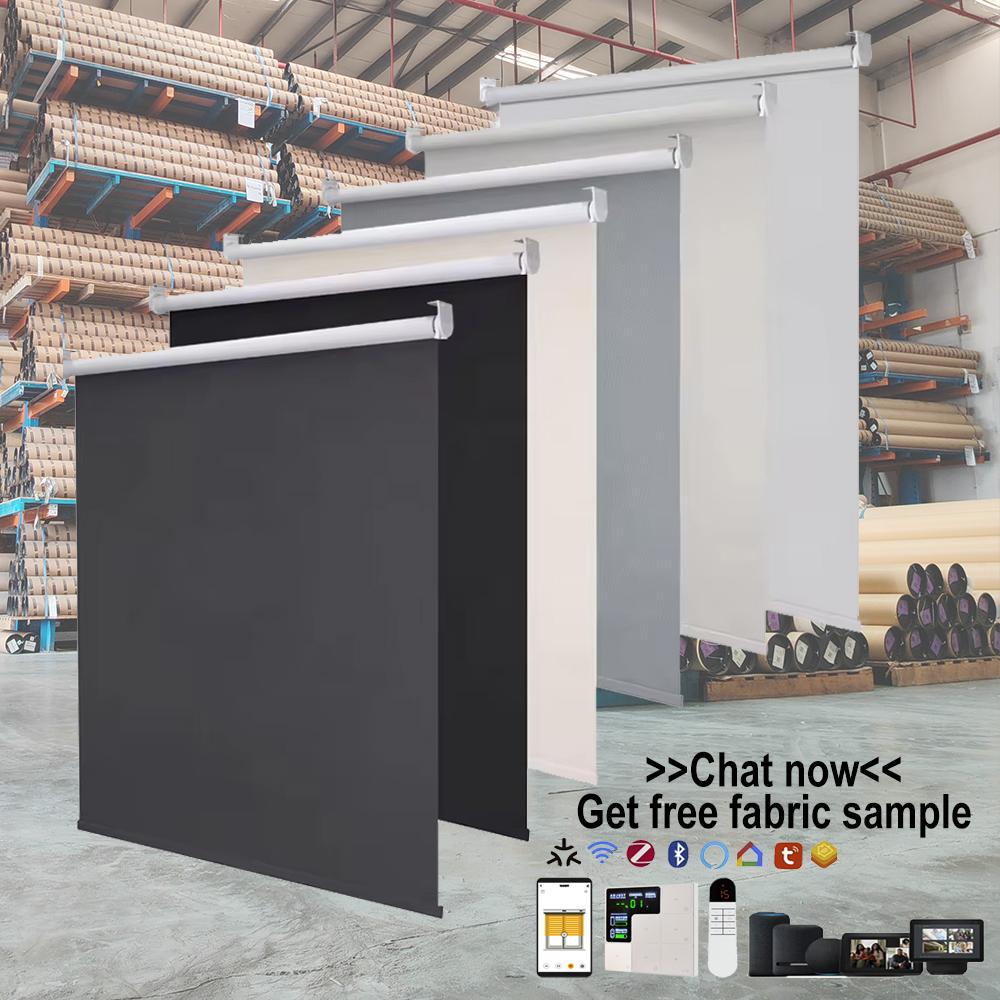
Most people think of window shades as a design choice, something that softens a room or blocks a neighbor’s view. Yet those same fabric panels and slats quietly shape how much your heating and cooling system has to work. On a summer afternoon, untreated windows let in solar heat that pushes indoor temperatures up fast. A properly fitted shade can intercept that heat before it ever reaches your thermostat, cutting the load on your air conditioner without you noticing the difference.
The connection gets more interesting in winter. During the day, the right shade angle or fabric can let low-angle sunlight warm a room for free, then close up tight after sunset to trap that heat against the glass. Small shifts in how you operate shades—opening south-facing ones mid-morning, closing everything at dusk—often trim energy bills more than replacing a window would. It’s not about buying the most expensive option; it’s about matching the shade’s behavior to the season.
What surprises many people is how much of this happens without any smart-home gadgetry. A simple cellular shade, with its honeycomb pockets, creates an insulating air gap that slows heat transfer year-round. In older homes with single-pane windows, that gap can be the difference between a drafty corner and a comfortable reading nook. The energy spend doesn’t just drop—it becomes more predictable, month after month, simply because the shades are doing more than hanging there looking good.
Choosing Fabrics That Do More Than Look Good
A textile’s visual appeal rarely tells the whole story. Before reaching for that eye-catching bolt, consider how the material behaves under real conditions: does it breathe on humid days, resist pilling after repeated washing, or hold its shape when you sit through a long meeting? These properties often matter more than a striking pattern that fades or stretches within months.
Weight and weave deserve close attention. A loosely woven linen might feel airy in summer but offer little structure for tailored pieces, while a dense twill works overtime in outerwear but can feel stifling indoors. Matching the fabric’s drape and recovery to the garment’s intended use prevents the frustration of clothes that look impressive on a hanger yet disappoint after the first wear.
Maintenance quietly shapes long-term satisfaction. Fabrics that demand dry cleaning or special handling may fit occasional statement pieces, but everyday wardrobes benefit from materials that tolerate regular laundering without losing color or texture. Asking how a fabric ages—not just how it looks on day one—turns a purchase into something you reach for season after season.
Motorized vs. Manual: What Modern Offices Actually Need
Walk through any open-plan office and you'll see rows of height-adjustable desks that rarely change position. Manual crank desks look like a sensible budget choice, but the reality is they get adjusted once during onboarding and then stay put. Employees don't want to spend thirty seconds cranking a handle between meetings, and over time the mechanism stiffens or gets blocked by cable trays. The friction is enough to keep people sitting all day, which defeats the entire purpose of buying an adjustable desk.
Motorized desks succeed not because they're high-tech, but because they remove that friction. A one-touch button or a saved height preset makes standing a low-effort option, so people actually use it. That said, not every workstation needs a motor. Hot-desking areas, touchdown spaces, and rarely used guest desks are fine with manual adjustment—anyone using them for a few hours won't be switching postures often. The real mistake is assuming all desks should be the same kind.
What modern offices actually need is a mix based on how the space is used. Fixed workstations where people spend six or more hours a day benefit the most from motorized adjustment, especially if paired with anti-collision sensors and quiet motors. For flexible or low-use zones, manual desks free up budget for better chairs, lighting, or cable management. The goal isn't to eliminate manual options; it's to match the adjustment mechanism to the likelihood of movement during a typical workday.
How to Reduce Eye Strain Without Blocking the View
Eye strain is usually driven by contrast between a bright display and the darker area behind it, not just by the screen's own output. Instead of dimming the panel until fine details disappear or covering part of it with a filter, match the screen's luminance to the wall or desk behind it. Lower brightness only enough that white areas read like paper under the current room light, keep contrast high so text edges stay sharp, and cut reflections by tilting the monitor a few degrees rather than pulling curtains or adding a heavy overlay.
A fixed focal distance tires the small muscles inside the eye long before most people notice it. The 20-20-20 rule works, but you can get more practical relief without losing sight of the display by placing a small object about twenty feet away, slightly above the top edge of the monitor. Every few minutes, shift your gaze to that object and let your eyes relax into the distance. The screen remains fully visible in your peripheral view, so no part of the work is blocked.
Blue-heavy light in the evening also makes sustained focus harder because it signals midday to the brain. Set a scheduled warm shift that lowers blue output after sunset, but keep the change subtle enough that charts and photos don't lose their color meaning. Scale up text or zoom the interface before leaning closer; a modest enlargement keeps the whole view intact and reduces strain on both the eyes and neck. Pair those adjustments with complete, frequent blinks to keep the tear film from drying out.
Retrofit or New Build: Getting the Right Shade Setup
Deciding between retrofitting an existing structure and starting from scratch often hinges on how the shade will integrate with the rest of the space. Retrofits can feel like a puzzle—existing anchor points, rooflines, and drainage paths dictate what is even possible. In many cases, a clever cantilever or a tensioned fabric panel tucked under an eave solves the problem without major demolition. The key is to map sun angles against the current architecture and accept that some compromises may be necessary.
New builds remove those constraints almost entirely. You can engineer the shade as part of the shell, pouring footings exactly where they are needed and aligning structural columns with the overall grid. This often leads to cleaner sightlines and fewer visible brackets or tension cables. But it also demands earlier decision-making—waiting until after the frame is up can push you back into retrofit territory, where every attachment becomes a negotiation with the existing structure.
Whichever path you choose, test the setup under real conditions before committing. A mock-up with temporary posts and cheap fabric can reveal glare, wind flap, or water pooling that no drawing will show. The right shade setup is rarely about the most impressive engineering; it is about matching the daily rhythm of use, whether that means morning coffee on a retrofitted porch or an all-day courtyard canopy on a new build.
FAQ
They cut glare on computer screens, balance temperature swings, and give employees control over their lighting environment. When people aren't squinting or adjusting blinds every hour, they stay focused longer and make fewer errors.
Solar shades are common for reducing glare while keeping outdoor views, dual roller systems let you switch between filtered light and full darkening for presentations, and blackout shades suit conference rooms or media spaces. The right choice depends on window orientation and how each room is used.
Yes. By blocking excess solar heat, shades reduce the load on air conditioning in summer, and in winter they can help retain warmth. That means less HVAC runtime and lower utility bills, especially in buildings with large glass facades.
Motorized shades remove the hassle of manual adjustment. They can be scheduled to respond to sun position or occupancy, which keeps workspaces comfortable without employees having to fiddle with cords. Integration with smart building systems also means they adjust before glare becomes a problem.
Look at openness percentage, color, and visible light transmission. Darker fabrics preserve outside views better, while lighter ones reflect more heat. For high-traffic areas, pick a durable, easy-to-clean fabric so the shades won't look worn after a few years.
Yes. High-transparency solar fabrics can cut glare significantly while still letting you see the skyline or landscaping. Some designs use dual panels so you can lower a sheer layer for view retention and a darker layer only when the sun is directly hitting the window.
A quick vacuum with a soft brush attachment or a wipe with a damp cloth keeps dust from building up. Check cords and motorized components a couple of times a year, and address any misalignment early. Low-maintenance fabrics reduce the need for deep cleaning.
They reduce eye strain and headaches caused by harsh glare, give people a sense of privacy, and allow individuals to adjust their own comfort. When employees feel they have control over their space, stress drops and overall job satisfaction improves.
Conclusion
Unmanaged sunlight often works against productivity in subtle ways: glare washes out monitors, thermal shifts make people fuss with blinds, and the constant adjustment quietly breaks concentration. Yet the fix isn't to block the view entirely. Thoughtful commercial shade systems address glare and heat at the window level, preserving daylight and outdoor connection while keeping work areas visually comfortable. This balance matters more than many realize, because eye strain and thermal discomfort tend to accumulate over an afternoon, eroding focus long before anyone complains aloud.
The right shade strategy also reduces energy costs by cutting solar heat gain before it taxes the HVAC system, which means fabric selection should go beyond aesthetics—openness factors, reflective backings, and color all influence how much heat and light enter. Motorized options add another layer of control: schedules and sensors can adjust shades automatically, so employees aren't tasked with micromanaging the sun. Whether retrofitting an existing space or planning new construction, a well-specified shade setup lowers glare, keeps views intact, and avoids the kind of repetitive manual fiddling that distracts from real work. In the end, it is less about hiding from daylight and more about shaping it for a calmer, sharper workplace.
Contact Us
Contact Person: Vivien Cheng
Email: [email protected]
Tel/WhatsApp: +86 13751758835
Website: https://www.rollergytech.com/