
China RFID Jewelry: The Smart Solution for Supply Chain Visibility
2026-05-16
Lost shipments, counterfeit replacements, and inventory blind spots—these are the hidden costs plaguing the jewelry industry. But what if there was a way to see every piece, at every step, in real time? Enter China’s RFID revolution, with OSRFID at the forefront, delivering smart solutions that transform supply chain visibility from aspiration to reality.
Beyond Traditional Tracking: The RFID Revolution in Jewelry Logistics
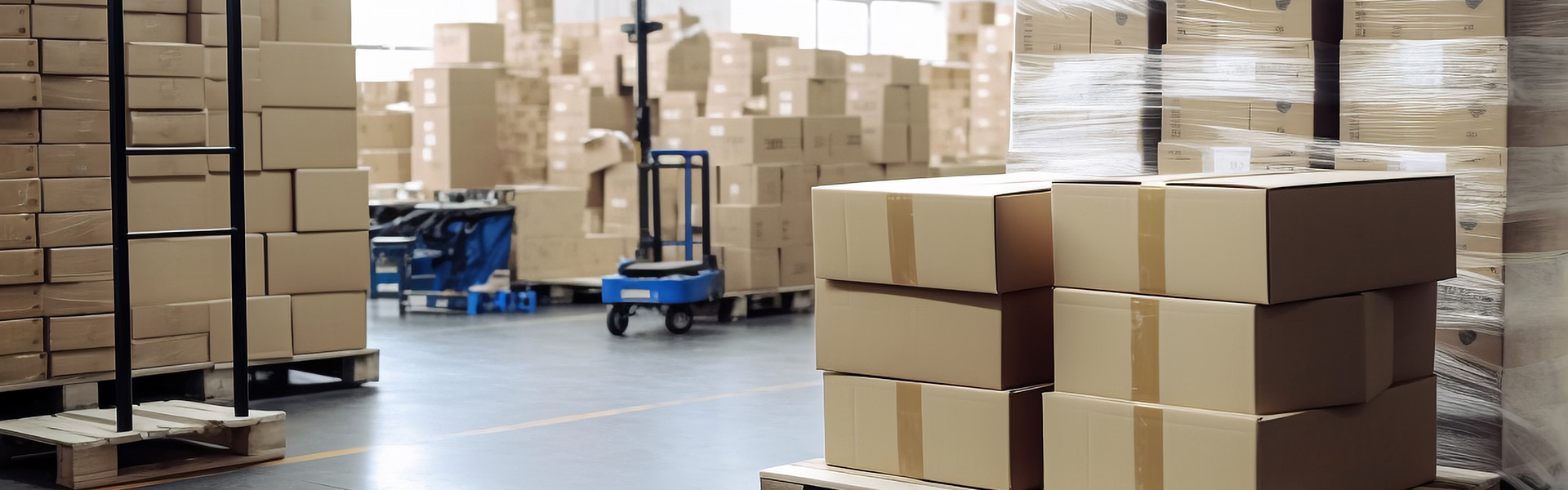
In an industry where a single piece can be worth more than a luxury car, traditional barcodes and manual logs are no longer enough to keep pace with the demands of modern jewelry logistics. The shift toward RFID isn't just an upgrade—it's a fundamental rethinking of how we track and protect high-value items from vault to showcase. Unlike barcodes that require line-of-sight scanning and one-at-a-time handling, RFID tags can be read in bulk, through packaging and even inside closed cases, transforming inventory counts from an all-day ordeal into a matter of minutes.
What truly sets RFID apart in jewelry logistics is its ability to create a seamless, tamper-evident chain of custody. Every movement—from the manufacturer's safe to the armored truck, through customs, into the retailer's stockroom and finally onto the sales floor—is logged automatically. This isn't just about knowing where an item is; it's about having a digital witness at every handoff, drastically reducing the window for loss or substitution. For insurers and brand owners, this continuous, unbroken data trail is becoming as valuable as the jewelry itself, offering proof of provenance and handling that was previously impossible to verify at scale.
Yet the revolution goes deeper than security and speed. RFID is quietly enabling a new level of customer experience that bridges online browsing with in-store service. A client who bookmarks a diamond necklace on the brand's app can walk into any boutique and have that exact piece waiting for them, pulled from inventory within seconds thanks to precise real-time location tracking. This kind of instant, personalized service was once reserved for celebrity clients; now it's scalable. As RFID technology becomes smaller, more robust, and blended with sensor capabilities—monitoring temperature, shock, or even tilt—the logistics backbone of the jewelry world is evolving into an intelligent nervous system, one that doesn't just track, but actively protects and enhances the life of every piece it touches.
How Chinese Manufacturers Weave Digital Threads into Every Gem
A glance at the production floor reveals more than just skilled hands polishing facets. Tiny sensors cling to cutting wheels, tracking vibration and temperature in real time, while cloud-based platforms log every micro-adjustment. This river of data flows from rough stone to finished jewel, letting managers spot inefficiencies before they become costly mistakes, and ensuring that each gem meets a precise digital twin of the ideal cut.
Beyond the workbench, these digital threads tie into inventory and supply chains with quiet elegance. A slab of corundum arriving from Madagascar already carries a QR code holding its origin, clarity grade, and intended destination. As it moves through the workshop, automated updates ripple outward—adjusting restock orders, flagging potential delays, and giving overseas buyers real-time visibility into their bespoke orders without a single phone call.
What truly sets these manufacturers apart is how they translate ancient artistry into analytics. Master cutters now consult tablet screens alongside decades of intuition, blending handcraft with algorithms that suggest the perfect angles for maximum brilliance. The result isn't a sterile, machine-made product, but a hybrid where tradition is amplified by data, allowing small ateliers to compete with global giants by weaving a narrative of precision, provenance, and care into every single gem.
From Mine to Showcase: Unbroken Transparency Without the Hype
Every stone starts deep in the earth, and we believe its origins shouldn't be a secret. We map each gem back to a specific mine, showing you the land, the local community, and the actual extraction process. It's not about a polished marketing story—just the raw, factual start of a gem's life, with all the rough edges still visible.
When a rough crystal moves to cutting and polishing, nothing is hidden behind closed doors. We document the workshop, the artisans, and each deliberate step that brings out the stone's inner light. There are no illusions of mystery here; the craft is laid bare so you see the real skill and time involved, without any extra glamour.
By the time a gem sits under display lights, its entire timeline is part of the experience. We present it plainly, with genuine notes about its journey rather than inflated tales. The stone speaks for itself—no overblown claims, no buzzwords, just the quiet confidence of something real, traceable, and honestly shared.
The Silent Guardian: Why Your Jewelry Needs a Digital Fingerprint
A piece of jewelry carries more than just aesthetic value—it holds memories, identity, and often significant monetary worth. But as theft, loss, and counterfeiting become more sophisticated, the old methods of safeguarding these items are starting to show their limits. A digital fingerprint offers a quiet, constant layer of protection that doesn't alter the look or feel of the piece, but makes it unmistakably traceable back to its owner.
Think of it as giving your jewelry a voice that only speaks when needed. By capturing the unique microscopic patterns on the metal's surface, each item gets its own immutable identifier. This isn't a code etched in or a chip that can be stripped—it's integral to the material itself. When a piece goes missing or is stolen, that fingerprint can be shared with authorities, dealers, or online databases without ever compromising the item's design or your privacy.
In a world where personal belongings circulate faster than ever, being able to silently prove ownership is no longer a luxury—it's becoming essential. Whether it's a family heirloom handed down generations or a ring you just picked up, embedding that invisible mark ensures that wherever it ends up, its story can be traced back to you. It's guardianship without the bulk, elegance without the fuss.
Real-Time Resilience: Cutting Through the Fog of Supply Chain Chaos
In the middle of a supply chain storm, waiting for end-of-day reports is like navigating a hurricane with yesterday's weather map. Real-time visibility flips the script. It's not about data for the sake of data—it's about linking a port delay in Rotterdam to a production line in Ohio in the same breath, giving teams the power to pivot before a ripple turns into a crash.
Most supply chains are still running on guesswork dressed up as planning. What separates the resilient from the fragile is the ability to act on live signals, not historical patterns. When a critical shipment gets stuck at customs or a sudden demand spike hits a distribution hub, the right alert—connected instantly to decision-makers—can mean the difference between a minor hiccup and a full-blown customer crisis.
Building that kind of responsiveness isn't just a tech upgrade; it's a mindset shift. It requires tearing down the walls between logistics, procurement, and sales, so that everyone operates from a single source of truth that's actually alive. Without that, the fog never lifts, and resilience remains just a slide in a strategy deck.
Smart Tags, Smarter Business: Rewiring Trust in a Global Market
Smart tags are not just about tracking inventory anymore; they are becoming the silent architects of trust in global commerce. By embedding a digital identity into every product, brands can offer consumers a transparent journey from source to shelf, making counterfeits almost impossible to slip through the cracks. This shift is less about technology for its own sake and more about giving people a genuine reason to believe in what they buy.
In markets where authenticity is currency, a simple tap of a phone against a tag can reveal a product's entire backstory—where materials were sourced, how workers were treated, even the carbon footprint of its journey. That kind of openness rewires the whole buyer-seller relationship. Suddenly, trust isn't built on glossy advertising but on verifiable, granular data that anyone can access.
For businesses, the real smarter move is realizing that this rewiring doesn't just protect their brand—it creates new ways to connect. A smart tag can be a portal to after-sales services, personalized content, or loyalty rewards that actually feel relevant. When you give customers confidence and a reason to engage further, you're not just sealing a deal; you're laying the groundwork for long-term loyalty across borders and cultures.
FAQ
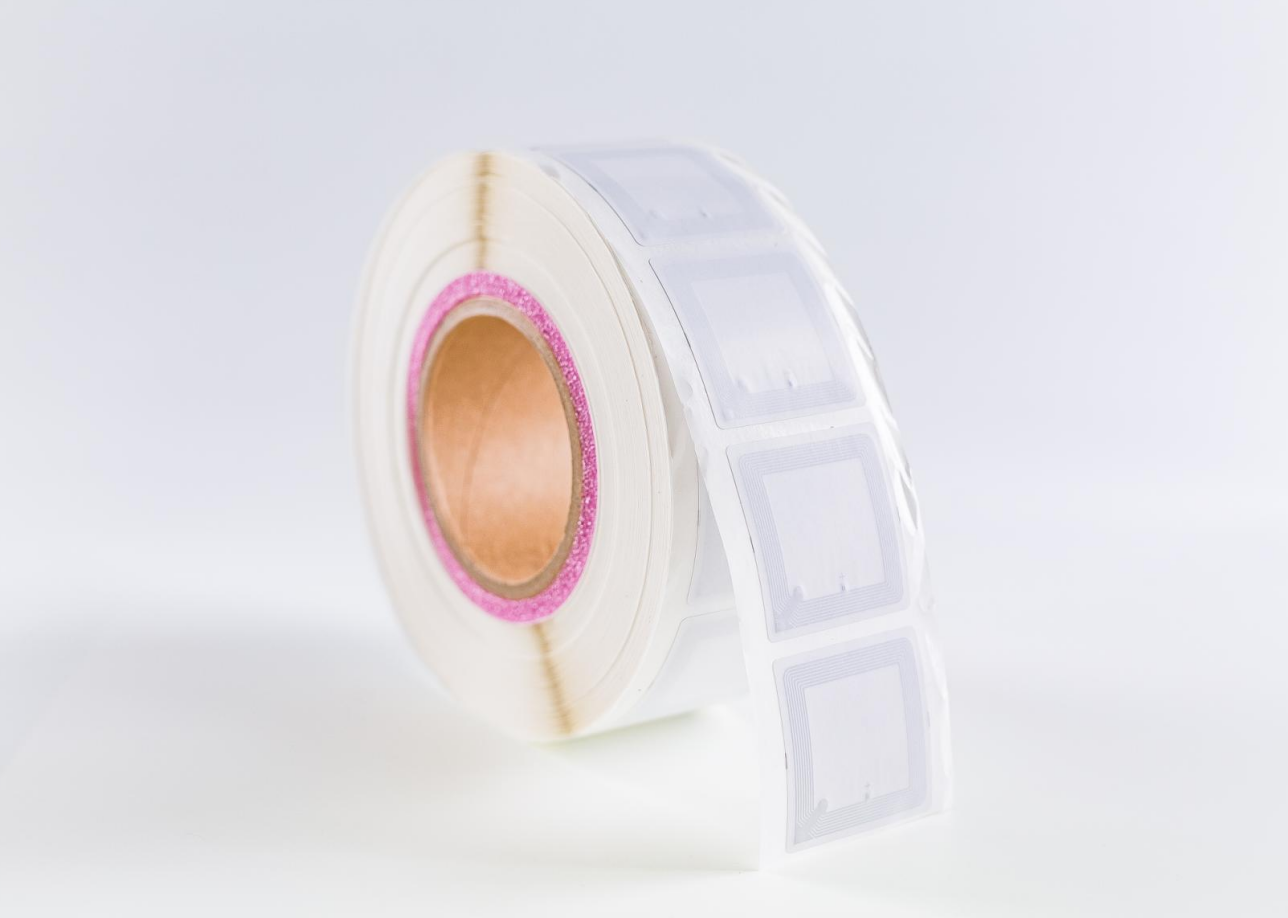
RFID jewelry embeds a tiny radio-frequency identification tag inside a piece of jewelry, allowing it to transmit data wirelessly. A reader can scan these tags to instantly identify, track, or authenticate the item without direct line-of-sight.
It gives brands real-time tracking from factory to store. Each piece can be logged at every checkpoint, reducing manual errors and providing accurate inventory levels, which helps prevent stockouts and overproduction.
China offers a mature ecosystem spanning chip manufacturing, tag encapsulation, and jewelry integration—often at scale and lower cost. Many factories also provide end-to-end customization, from tag design to packaged smart jewelry ready for retail.
Yes, the tags are sealed in durable, miniature housings made of materials like epoxy or ceramic. They are designed to withstand moisture, impact, and metal interference, so they remain functional through regular use and cleaning.
Each RFID tag carries a unique digital identifier that can be linked to a blockchain or secure database. This creates a tamper-proof digital passport, making it much harder for counterfeit products to pass as genuine and enabling instant alerts if a piece leaves a secured zone.
It can be, thanks to flexible solutions like RFID-enabled display trays or discreet adhesive tags that don’t require altering the jewelry. Many Chinese suppliers offer low minimum orders and starter kits, so even smaller retailers can adopt the technology gradually.
Conclusion
Jewelry supply chains have long struggled with fragmented data, theft, and counterfeiting—issues that conventional tracking simply can't solve. RFID technology is changing that, embedding a digital thread into each piece so its journey from raw material to final sale remains fully visible. Chinese manufacturers are at the forefront, integrating miniature, durable tags into intricate designs without disrupting aesthetics. These tags carry unique identifiers, enabling real-time inventory counts, location tracking, and instant authentication at any stage. The result is a seamless, automated flow of information that replaces manual logs and guesswork, cutting through the noise of chaotic distribution networks.
Every jewel equipped with an RFID tag gains a silent digital fingerprint, guarding against loss and forgery while building a tamper-proof record of provenance. This isn't just about security—it unlocks new operational resilience. Stakeholders can monitor stock levels, predict bottlenecks, and respond to disruptions before they escalate. As Chinese RFID solutions mature, they offer global partners a way to rewire trust: proving ethical sourcing, streamlining customs, and delivering the transparency modern consumers expect. In a market where credibility is as precious as the gems themselves, smart tags turn logistic complexity into a quiet competitive advantage.
Contact Us
Contact Person: Esme Mo
Email: [email protected]
Tel/WhatsApp: 0086 191 2931 7837
Website: https://www.osrfidglobal.com/