

China Food Van: Savoring Authentic Street Eats on Wheels
2026-07-30
Imagine the sizzle of a wok, the aroma of fresh scallions, and the vibrant taste of authentic Chinese street food—all served from the back of a sleek, modern food truck. This isn’t just any curb-side bite; it’s a mobile feast brought to you by Oriental Shimao, redefining on-the-go dining with every dish. From bustling night markets to quiet suburban streets, the China food van phenomenon is capturing hearts and appetites worldwide. But what makes these rolling kitchens so irresistible? And why is Oriental Shimao leading the charge? Join us as we explore the secrets behind the wheels and uncover how this brand is serving up tradition with a contemporary twist.
When Woks Meet Wheels: China's Rolling Street Kitchens
The sizzle of a wok and the hum of bicycle wheels might seem an unlikely pair, but across China, this combination powers a beloved culinary tradition. Mobile street kitchens, often cobbled together from repurposed carts and bicycles, bring the heat of the kitchen directly to the curb. These roving chefs navigate narrow hutongs and bustling market streets, their makeshift setups holding everything needed to whip up a quick, fiery meal. From dawn till late at night, the clatter of spatulas against steel rings out, a soundtrack to neighborhoods where convenience and flavor collide in the open air.
Each mobile wok station is a testament to ingenuity, with propane burners, stacked ingredients, and a worn cleaver all within arm’s reach. Vendors develop a rhythm that’s part cooking, part performance, flipping noodles or tossing fried rice with a flick of the wrist while balancing on two wheels. The aromas are impossible to ignore—smoky, garlicky, sometimes tinged with the sweet tang of black bean sauce. For locals, these rolling kitchens aren’t just about a quick bite; they’re a familiar fixture, offering comforting dishes like jianbing or chao mian that taste like home, no matter how far you’ve wandered.
Beyond the food, these moving feasts reflect a deeper street-level economy and culture. They adapt to the pulse of the city, clustering near night markets or outside office buildings during lunch hour, then vanishing as swiftly as they appear. The relationship between vendor and customer is built on trust and speed—a nod, a shouted order, and within minutes, a steaming plate is handed over. In an era of rapid urbanization, these wok-on-wheels setups preserve a scrappy, unfiltered side of Chinese food culture, proving that the best meals don’t always require a fixed address.
Flavor Crossroads: Regional Specialties from Cart to Cart
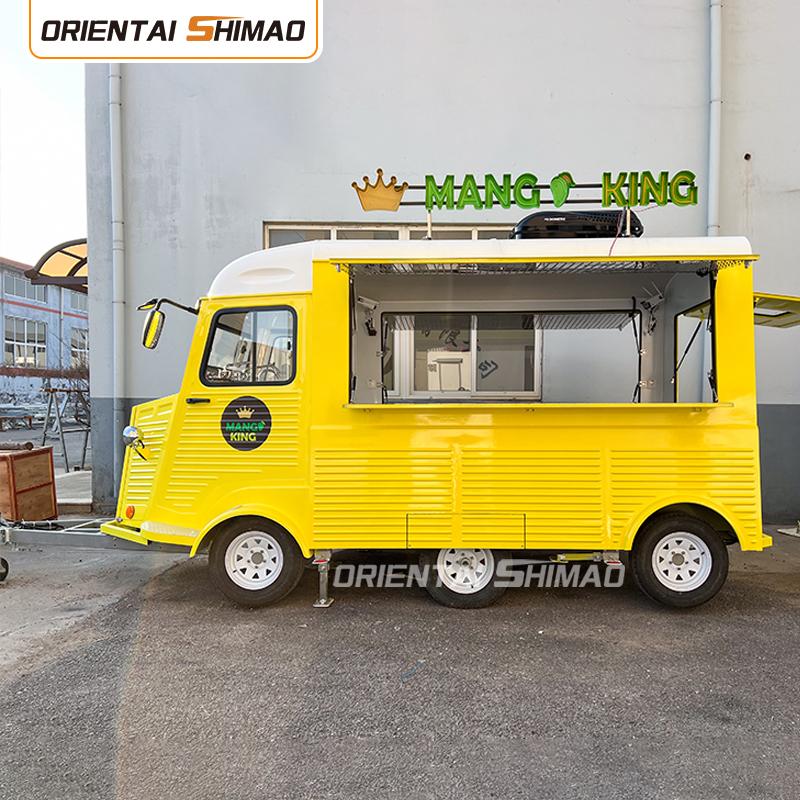
Pushcart bites are never just about convenience—they’re edible maps of the neighborhoods they roam. Wander through any bustling market and you’ll trace migration routes in the steam of dumplings, the sizzle of skewers, and the chill of shaved ice. A single cart might carry three generations of a family recipe, while the one parked two steps away serves something borrowed, tweaked, and made entirely new. It’s culinary overlap in real time, no fusion label necessary.
The real magic happens when you line up your haul from different carts and realize you’ve assembled a meal no restaurant could replicate. A tangy tamale from a cart with Oaxacan roots, a paper cone of crispy chickpea chaat that tastes like Old Delhi, a pork bun that splits its loyalties between Shanghai and São Paulo—all perched on a wobbly plastic stool. This is where borders blur not on a map, but on your tongue, each bite a quiet argument against the idea that authenticity means staying put.
And somehow, the flavors talk to each other without you planning it. The citrus in that ceviche brightens the char on a smoke-kissed arepa; the mint chutney from another cart cuts through the richness of a fried chicken skin snack. It’s a cross-cultural conversation that only works because none of it was forced—just cooks sharing space, borrowing spice blends, and occasionally side-eyeing each other’s lines before realizing they’re all part of the same ever-shifting feast.
The Unspoken Code: How Regulars Order Like Insiders
In every well-loved café or bar, there exists a silent language that separates the regulars from the casual drop-ins. It’s not about secret handshakes or passwords, but a subtle choreography of nods, half-smiles, and abbreviated orders. A regular might simply say, “The usual, please,” and the barista reaches for a specific cup without asking. This unspoken code builds on familiarity—knowing when the lull hits, which seat has the best outlet, or that the kitchen will still fire up that off-menu snack if you ask with a wink. It’s a quiet dance of mutual recognition, a comfort that transforms a transaction into a ritual.
Beyond the shorthand orders, there’s an etiquette of timing and space. Regulars know not to clog the counter during the morning rush, and they’ll step aside for the frazzled newcomer who needs a moment with the menu. They understand that loyalty is shown by remembering the staff’s faces as much as they remember your drink. A simple, “Take your time,” when the espresso machine groans, or a knowing chuckle when the WiFi acts up, cements a bond that no loyalty card can replicate. This insider status isn’t demanded—it’s earned through patience, consistency, and a genuine appreciation for the place and its people.
Part of the charm lies in the unwritten rules that vary from spot to spot. At one diner, regulars might know to flip over the coffee cup to signal a refill is wanted; at another, leaving the napkin on the saucer means “I’ll be right back.” These micro-rituals create a sense of belonging that turns a neighborhood joint into a second home. For the observant newcomer, learning these nuances is the first step from outsider to insider—but tread lightly, because the code is best discovered, not announced. After all, the real secret is that it’s never about the code itself, but the community it quietly sustains.
Searing, Skewering, Steaming: Skills Born on the Pavement
On bustling city sidewalks, the sizzle of skewered meat over open flames and the billow of steam from bamboo baskets aren't just cooking methods—they're a language. Vendors who've spent decades on the same patch of pavement wield tongs and skewers with an intuition that no recipe book can capture. The searing heat chars edges to smoky perfection, while quick hands turn sticks at just the right moment to lock in juices. It's a dance of timing and fire, learned not in kitchens but in the daily rhythm of passersby and changing weather.
Steaming, often overlooked, becomes an art form when practiced on a crowded curb. A dim sum cart, draped in white cloth, reveals layers of bamboo stacked high, each tray a pocket of moist heat transforming rice flour and fillings into translucent delicacies. The skill lies in knowing precisely when to pull a basket—too soon and the dough clings, too late and it turns tacky. This tactile wisdom is born from countless mornings spent watching the first light cut through steam clouds, hands moving before the mind can process.
Skewering is more than assembling ingredients; it's a structural feat. Marinated morsels are threaded in deliberate sequences—fat alternating with lean, vegetables framing protein—to ensure even cooking and a perfect bite each time. The skewer itself becomes a tool of control, flipping over flickering coals that gutter with each gust of wind. These aren't just snacks; they're edible proof that the pavement has its own culinary academy, where the price of admission is patience and every dish tells the story of a street corner.
Nightfall Feasts: Tracking the City's Most Elusive Carts
There's a quiet thrill in chasing down a meal that doesn't want to be found. As dusk settles, certain carts flicker into existence on forgotten corners—no signs, no social media fanfare, just the scent of sizzling garlic and a handful of locals already in line. You learn to read the subtle cues: a sudden huddle near the old laundromat, the glow of a propane burner behind a shuttered bodega, the way the pavement glistens from a fresh spill of chili oil. Tonight's quarry is a birria cart rumored to park beneath the expressway overpass only when the moon is slight, its broth simmered for two days and ladled with almost reverent silence.
Half the hunt is decoding the unwritten calendar. Many carts follow a logic that's closer to alchemy than scheduling—rain might cancel an appearance, but a festival two blocks away could summon three in one evening. The best trackers swap tips in hushed tones at dive bars or note the cardboard signs taped to lampposts with arrows drawn in marker. Last week, a whispered lead sent us through an alley past stacks of crates, emerging onto a concrete lot where a lone woman tended a charcoal grill under a string of bare bulbs. Her lechon was carved to order, the skin crackling into glass-sharp shards, served on banana leaves with vinegar dipping sauce she makes at home. No menu board, no name, just a ritual enacted for those who know where to stand.
These carts operate on trust and timing, vanishing just as reliably as they appear. They leave no footprints except the lingering spice on your fingers and the ache of a brief, perfect meal. Chasing them isn't about checking items off a list—it's about embracing the temporary, the unadvertised, the sense that the city is still full of secrets for those willing to walk the backstreets after dark. Because the most memorable feasts aren't the ones you plan for, but the ones that feel like a gift from the night itself.
Beyond the Cart: How Tradition Is Hitching a New Ride
In an age where convenience often overshadows craftsmanship, a quiet revolution is unfolding at the intersection of heritage and innovation. Traditional artisans, who once relied on bustling markets and word-of-mouth, are now finding their wares perched beside modern goods in a most unexpected place: the digital shopping cart. This isn't just about moving goods online; it's a cultural handshake between time-honored skills and contemporary commerce, where a handwoven basket shares shelf space with smart home devices, and a jar of small-batch preserves earns a review alongside artisanal coffee subscriptions. The cart has become a vessel not just for products, but for stories, histories, and the enduring pulse of human creativity.
What makes this fusion so compelling is its quiet defiance of mass-produced monotony. Each item tells a tale—of the weathered hands that shaped it, the local clay that gave it form, or the family recipe passed down through generations. For consumers, adding such an item to their cart feels less like a transaction and more like an invitation into a narrative that predates the digital age. The allure lies not only in the object's function but in its aura of authenticity, a rarity in a world flooded with identical offerings. As shoppers scroll through endless grids of uniformity, these traditional creations stand out like lanterns in fog, drawing attention through their imperfections and their silent insistence that some things are worth preserving.
Behind the scenes, this movement is reshaping the economics of heritage crafts. By hitching a ride on e-commerce platforms, artisans bypass traditional gatekeepers and geographical limitations, reaching customers who might never wander through a village fair or a niche boutique. A potter in a remote hamlet can now send her kiln-fired bowls across oceans, while a weaver shares loom-woven scarves with urbanites seeking warmth beyond the literal sense. This digital bridge doesn't just boost sales; it revives endangered skills by proving they have a place in modern life. In return, buyers gain more than a possession—they inherit a fragment of culture, a talisman against the homogeneity that creeps into daily existence. Together, they're rewriting the story of commerce, one handmade treasure at a time.
FAQ
It's a mobile kitchen on wheels that brings the sizzle and aroma of real Chinese street food right to you. Think of it as a tiny, traveling night market stall, complete with a wok station, steamer baskets, and a menu that changes with the chef's whims or the season.
Everything from hand-pulled noodles dancing in chili oil to juicy soup dumplings that burst with broth. You might see jianbing, a crispy crepe folded with egg and hoisin, or maybe skewers of cumin-dusted lamb fresh off a tiny grill. It's the greatest hits of Chinese curb-side cooking.
Restaurants often tone down flavors for broader appeal, but a food van doesn't hold back. You get the full punch of Sichuan peppercorns, the deep umami of fermented sauces, and the smoky char that only a well-seasoned wok can give. It's grittier, more immediate, and unapologetically bold.
You'll spot them at farmers' markets, street festivals, and late-night food truck rallies. Some roam neighborhoods, announcing their daily location on social media. Part of the fun is the hunt—following the smell of star anise down an unfamiliar alley.
Absolutely. Because the menu is small and sales are fast, the cook can buy produce that morning and prep on the spot. You'll often see them julienning carrots or folding dumpling skins right before your eyes. There's no freezer aisle in a van like this.
You'll find deep cuts from provinces like Yunnan, Shaanxi, or Xinjiang. One week it might be Lanzhou beef noodles, the next it's Guilin rice noodles with pickled beans. The chef usually has a hometown or a travel story, and they love sharing dishes you won't find on a takeout menu.
It's a masterclass in efficiency. Every inch is engineered: a collapsible prep counter, stacked steamers, a wok burner that hits 200,000 BTUs. The menu is deliberately concise—maybe four or five items perfected over years—so the cook moves like a dancer in a four-foot square.
It's the alchemy of fresh air, sizzling sounds, and a paper plate loaded with something that tastes like it was cooked just for you—because it was. There's a sense of discovery, a brief connection with a stranger who's pouring their culture into each order. It's street food romance, no chopsticks required.
Conclusion
Rolling through China's bustling streets, food vans and carts transform sidewalks into vibrant culinary theaters where sizzling woks and steaming baskets never rest. These mobile kitchens are more than just convenient pit stops—they are living archives of regional flavors, from Sichuan's numbing spice to Guangdong's delicate dim sum, each cart a passport to a different province. Regulars know the unspoken dance: a nod, a hand signal, or a murmured colloquial name for a dish orders like an insider, bypassing menus entirely. It's a world where the cook's muscle memory, honed over years of pavement, guides the flame.
Behind the spectacle lies raw skill: searing skewers over charcoal, folding dumplings with lightning speed, and steaming buns to cloud-like softness—all perfected on the gritty pavement. As dusk falls, the most elusive carts flicker to life in hidden alleys, drawing night owls on urban treasure hunts for a bowl of hand-pulled noodles or a sizzling jianbing. Yet tradition is hitching a new ride; younger vendors blend ancestral recipes with modern twists or even repurpose vans into fusion labs, ensuring that these wheeling kitchens remain a dynamic force in China's ever-evolving food scene.
Contact Us
Contact Person: Jack Wang
Email: [email protected]
Tel/WhatsApp: 8618306483516
Website: https://www.orientalshimaofoodtruck.com