

Chemical Safety & Environmental Protection Expo Key Innovations and Safety Trends
2026-08-29
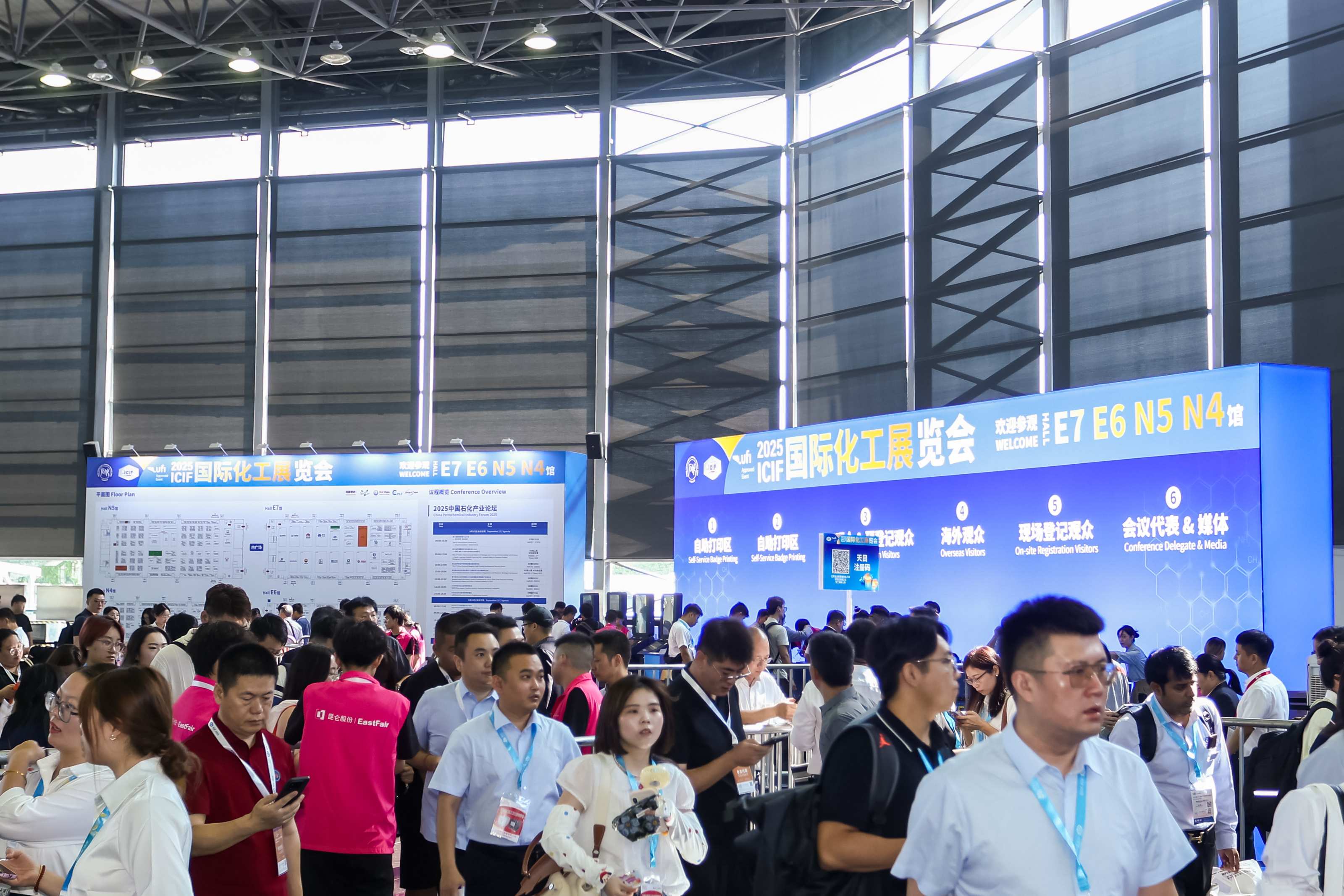
Walking through the Chemical Safety & Environmental Protection Expo, one thing becomes clear: the old playbook of compliance and containment is being rewritten. Instead of just meeting regulations, exhibitors are showcasing tech that prevents incidents before they start—think leak-detecting sensors, self-neutralizing spills, and air monitors that talk to your phone. ICIF has become the proving ground for these ideas, where safety trends shift from theory to field-ready tools. But with so many innovations vying for attention, which ones will actually reshape the industry? This post breaks down the key breakthroughs and the trends you can't afford to ignore.
The End of the Paper Safety Data Sheet
For decades, the paper safety data sheet was the backbone of workplace chemical safety—a physical document that had to be located, consulted, and kept current, often in bulky binders that rarely saw updates. That era is fading fast. Digital safety data sheets are now embedded in online portals, QR codes on containers, and automated compliance systems, making the old paper copies feel like relics of a slower time.
The shift isn’t just about convenience. A digital SDS can be updated instantly, version-controlled, and made available to every worker with a smartphone or tablet, eliminating the risk of someone relying on an outdated hard copy. It also opens the door to real-time hazard alerts, integration with inventory tracking, and faster emergency response—something paper could never offer.
Of course, paper won’t vanish overnight. Some facilities still keep printed backups for power outages or regulatory audits. But the direction is clear: as connectivity improves and mobile devices become standard on the shop floor, the paper safety data sheet is being consigned to history, replaced by smarter, safer, and more responsive digital alternatives.
Wearable Sensors That Actually Prevent Injuries
Most wearables tell you what already happened: steps taken, miles logged, heart rate spikes. The sensors worth paying attention to now are the ones that catch trouble before your body files a formal complaint. Embedded in sleeves, shorts, or thin adhesive patches, they track things like joint angle, ground reaction force, and muscle activation symmetry in real time. That means a runner with a subtle hip drop or a tennis player overloading one shoulder gets a buzz on their phone long before the strain turns into a tear.
What separates useful prevention tools from novelty gadgets is the algorithm behind the sensor. Raw motion data is messy; the real value comes from comparing your baseline movement patterns over weeks, not just flagging a single awkward rep. Some systems now measure ligament load during cutting drills or monitor fatigue-related form breakdown in the final minutes of a match. When the data shows your mechanics drifting toward a known injury threshold, the device suggests rest, a targeted warm-up, or a coaching cue—not another generic recovery tip. That shift from descriptive tracking to actionable, individualized feedback is what keeps athletes on the field instead of in rehab.
Spill Response Meets Real-Time Mapping
When a spill occurs, every second counts. Real-time mapping turns a chaotic response into a coordinated operation by overlaying live sensor data, weather patterns, and asset locations onto a single interactive canvas. Teams no longer rely on static paper charts or fragmented phone calls; instead, they see the exact movement of a plume, the status of containment booms, and the nearest response vessels updating second by second.
This approach also sharpens decision-making under pressure. Dynamic models fed by current speed and direction let responders forecast impact zones hours ahead, while field crews mark verified observations directly on the shared map. The result is less guesswork, fewer redundant deployments, and a clearer chain of evidence for regulatory reporting—all without waiting for a GIS specialist to compile a PDF that is already out of date.
Operationally, the difference shows up in small but critical wins: a drone re-routed mid-flight to confirm a sheen, a vacuum truck dispatched before oil reaches a culvert, an incident command briefing that runs five minutes instead of thirty. Real-time mapping does not replace trained responders; it gives them a common operating picture that keeps pace with the spill itself.
Low-Toxicity Solvents Take Center Stage
The shift toward low-toxicity solvents is reshaping how formulators approach everything from industrial coatings to everyday cleaning products. Instead of relying on familiar but hazardous options like benzene or chlorinated compounds, many labs are turning to bio-based alternatives, supercritical fluids, and carefully engineered solvent blends that reduce both worker exposure and environmental burden. What’s interesting is that performance no longer has to be sacrificed—newer candidates often match or even exceed the solvency power of their toxic predecessors, while bringing lower vapor pressure and better biodegradability to the table.
Regulatory pressure and downstream demand are driving much of this change. Companies aren’t just swapping one solvent for another; they’re rethinking entire processes to minimize solvent use altogether, from precision cleaning systems that recover and reuse fluids to water-based formulations that sidestep organic solvents entirely. That said, the transition isn’t always straightforward. Some low-toxicity options come with trade-offs in drying time, residue, or compatibility with existing equipment, so formulators spend considerable effort fine-tuning mixtures and testing under real-world conditions.
The conversation has also moved beyond simple “green” labels. A solvent’s lifecycle impact—how it’s made, transported, used, and disposed of—now factors into decision-making as much as its immediate hazard profile. This more holistic view is pushing innovation in unexpected directions, such as solvents derived from waste streams or those that function effectively at lower temperatures. As data accumulates and practical experience grows, low-toxicity solvents are no longer a fringe experiment but a central strategy for safer, more sustainable chemistry.
Regulatory Pressure Cooker Sparks Smarter Compliance
The compliance landscape has shifted from periodic check-ins to constant scrutiny. Regulators aren't just asking for more reports; they're expecting firms to anticipate failures before they surface. That pressure has pushed teams to abandon static rulebooks and adopt systems that learn from every audit, fine, and near miss.
Instead of bolting on new controls after each enforcement action, forward-thinking organizations treat regulatory stress as a design constraint. They map obligations to operational data streams, so a change in one jurisdiction automatically triggers a review elsewhere. The goal isn't only passing the next exam—it's building a compliance muscle that gets stronger under load.
This shift doesn't mean replacing judgment with automation. It means giving compliance officers better visibility into what's actually happening, so they can spend less time chasing documents and more time questioning assumptions. In a pressure cooker, the smartest move is often to adjust the recipe, not just turn down the heat.
Fatigue Monitoring Enters the Safety Conversation
Fatigue monitoring has moved from a niche concern in long-haul trucking to a central topic in workplace safety across mining, construction, and manufacturing. The shift isn't happening because regulators suddenly demanded it, but because safety managers finally have tools that capture drowsiness before it turns into an incident. Wearable sensors, dashboard cameras, and even smartwatches now track micro-sleeps, blink rate, and postural changes with enough accuracy to flag someone who shouldn't be near heavy equipment.
What used to be a checkbox conversation about hours-of-service logs is giving way to real-time intervention. A supervisor can get an alert on a tablet, walk over to a worker, and say, "Let's take a fifteen-minute break." That kind of immediate, human response feels different from a disciplinary points system. Teams are starting to treat fatigue data like weather reports—not as a judgment on effort, but as a condition to manage. The best implementations pair the sensor data with simple changes: better lighting, cooler break rooms, or rotating a task that demands constant vigilance.
The real test is whether these systems remain part of a genuine safety conversation rather than turning into surveillance. When workers help choose the thresholds and see their own fatigue scores, trust builds. In some crews, fatigue monitoring has become nearly as routine as checking the battery on a gas detector. It's not about watching people; it's about not letting a preventable mistake steal someone's future.
FAQ
One standout was a glove with embedded micro-sensors that changes color when it detects permeation from common solvents like toluene or MEK, giving workers a visual warning before skin contact occurs.
Several vendors showed modular storage units with active cooling and pressure-relief panels that can isolate a runaway reaction within seconds, preventing a small leak from turning into a facility-wide event.
Yes, a handful of startups presented optical gas imaging cameras small enough to mount on drones, letting plant managers spot fugitive methane or VOC leaks from above without shutting down operations.
One booth featured a self-sealing floor coating that swells on contact with aggressive acids, creating a temporary berm that buys crews about 20 extra minutes to deploy standard absorbents.
Biocatalysis is a big theme—using engineered enzymes to replace heavy-metal catalysts in polymer production, which cuts both hazardous waste and energy input by roughly a third in pilot trials.
There’s a dedicated workshop track where EHS managers from mid-sized plants can sit with former OSHA and EPA inspectors to walk through common citation triggers, from labeling mismatches to inadequate ventilation records.
A company unveiled a full-face respirator with a transparent, anti-fog visor made from recycled polycarbonate, and the filter cartridges are designed to be returned for refurbishment rather than tossed.
One notable demo used a dry powder that forms a glassy crust over burning solvents, cutting off oxygen without producing the toxic runoff that water-based foam often leaves behind.
Conclusion
Walking through this year's Chemical Safety & Environmental Protection Expo, the most striking shift isn't a single device but a collective move away from static, paper-based protocols. Safety data sheets, long the backbone of hazard communication, are finally disappearing into dynamic digital platforms that update in real time and push relevant warnings straight to workers' phones. Meanwhile, wearable sensors have evolved beyond simple alarms: they now track motion, heat stress, and chemical exposure patterns to intervene before an injury happens, not after. On the spill response side, real-time mapping tools overlay live sensor data with facility blueprints, letting teams see exactly where a release is spreading and which drains or storage areas are at risk.
In the chemical aisles, low-toxicity solvents are no longer niche alternatives—they are the main event, driven by both safer handling profiles and tightening regulatory demands. That regulatory pressure cooker has forced compliance teams to adopt smarter, automated reporting systems that flag potential violations weeks before an audit. And fatigue monitoring, once reserved for long-haul trucking, has entered the safety conversation with wearable bands and camera-based systems that alert supervisors when a worker's reaction times or posture signal exhaustion. Together, these innovations point to an industry that is finally treating safety as a continuous, data-rich process rather than a binder full of rules.
Contact Us
Contact Person: Shaozhen Zhou
Email: [email protected]
Tel/WhatsApp: 0086-18612117599
Website: https://en.icif.cn/