Best Water Production Line Factory Qualities That Ensure Consistent Output
2026-11-19
When every bottle counts, a water production line is only as reliable as the factory behind it. The difference between steady output and costly downtime often comes down to a handful of engineering choices—precision filling, durable materials, intelligent controls, and airtight sanitation. Leading manufacturers like INTOP Machinery build these qualities into every module, not as optional upgrades but as baseline standards. In this post, we break down the key factory traits that keep water lines running at full capacity, shift after shift, without compromising product safety or line speed.
Steady Filtration Performance Across Shifts
Operators quickly learn that consistency is the real star of any long production run. This filter doesn't drift after the first few hours or demand constant attention once the line gets moving. Flow rates hold steady even when the feed stream carries its usual mix of fine particulate and occasional load spikes, which means fewer mid-shift adjustments and less guesswork for the crew.
What tends to catch veterans off guard is how little the pressure differential moves from morning to evening. That stability translates into predictable maintenance windows and fewer surprise tear-downs. Instead of hovering over gauges, teams can focus on upstream processes, confident that the filtration stage won't quietly degrade and take product quality down with it.
Across back-to-back shifts, the unit's performance stays remarkably flat, which removes one of the common headaches in continuous operations. Whether the same crew returns for the next rotation or a fresh team takes over, the filter behaves the same way. That kind of repeatability is what makes scheduling, budgeting, and troubleshooting feel less like guesswork and more like routine.
Fill Volume Precision Without Constant Recalibration
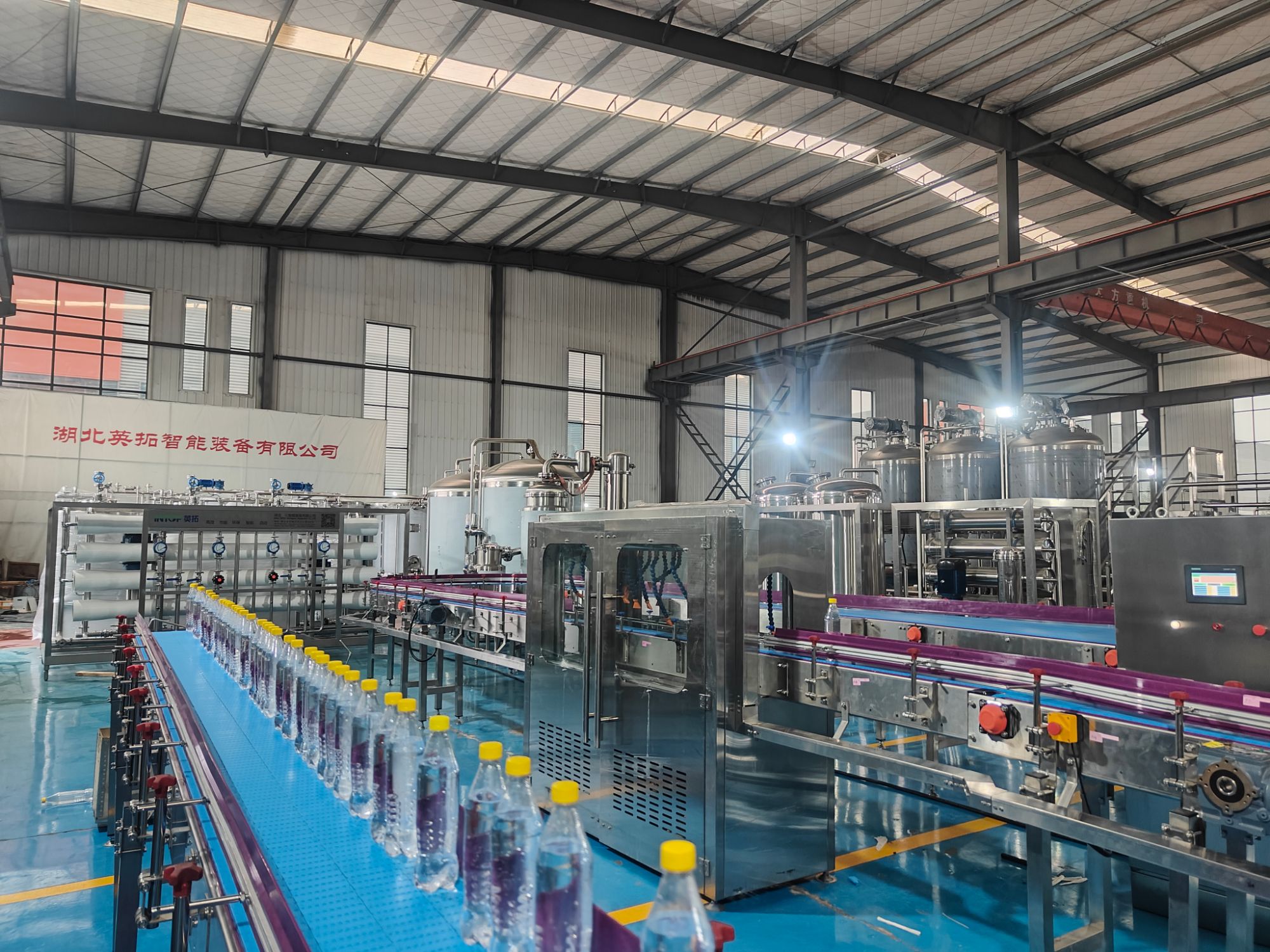
Most filling lines drift because small mechanical changes accumulate quietly—seal wear, temperature shifts, viscosity swings—until the setpoint no longer matches what actually lands in the container. This system addresses that drift at the source rather than treating calibration as a recurring chore. The metering chamber and nozzle geometry are matched to the product's flow behavior, so the fill volume stays predictable even as conditions move around within normal production ranges.
A closed-loop check runs in the background without slowing the cycle. The control unit compares the expected displacement against real feedback from the fill cycle and makes micro-adjustments before the next stroke. Because these corrections happen continuously, operators aren't chasing a moving target or stopping the line for scheduled tweaks. A batch can start cold, run through a shift, and finish with the same fill consistency without anyone touching the settings.
What makes the stability hold up over time is less about software and more about how the wetted parts resist the causes of drift. Hardened valve seats, temperature-stable metering rods, and pulse dampening on the inlet side remove the usual triggers for volume creep. The result is fill accuracy that comes from the hardware and control loop working together, not from frequent manual intervention.
Material Handling That Avoids Mid-Run Jams
Most mid-run jams are not caused by a single bad component; they start as small tracking errors that get amplified at the next roller. Setting the unwind and infeed so the web enters the first turn with a slight, consistent tension removes the slack that lets an edge drift into a flange. Low-inertia idlers and radiused turns help here, but it is more important to have fewer contact points than to make each roller perfect.
On thin films and coated papers, air bars and vacuum rollers are often the difference between a steady run and a crease that folds into a jam. They let the material change direction without dragging across a stationary surface, which is exactly where a splice bump or static charge turns into a dog-ear. Sensing needs to be placed ahead of the next nip, not just at the unwind, so the line can react while there is still room to correct.
Housekeeping should be designed into the path. Quick-release idlers, open frames, and static control at the last roller before each print or die station keep dust and trim from being pulled into the material. When operators can clean without realigning the whole path, routine maintenance actually happens between shifts instead of after a wrap-up.
Sanitary Connections That Cut Cleaning Downtime
Most cleaning downtime doesn’t come from the actual wash cycle—it comes from breaking down joints, wrestling with stuck gaskets, and scrubbing around threads where product gets trapped. A sanitary connection designed for fast teardown changes that math. Tri-clamp style ends with smooth, crevice-free bores let operators pop a line apart in seconds, rinse the contact faces, and get back to production without reaching for a toolkit.
The difference shows up in drainability and seal alignment. When ferrules are machined to hold the gasket in a fixed, flush position, there’s no lip for residue to collect behind, and no guessing whether the ring is seated correctly during reassembly. Sloped or self-draining orientations built into the connection body help rinse water leave on its own, so crews spend less time chasing puddles and more time on the next batch.
For plants running frequent product swaps or allergen cleanouts, that time savings compounds quickly. A connection that strips down without special tools, resists gouging from repeated clamp cycles, and uses materials that stand up to hot caustic washes keeps sanitary lines moving instead of sitting idle under a hose.
Inline Inspection That Rejects Before Packaging
Rejection at the end of the line is expensive. Every finished unit that gets pulled after filling, capping, or cartoning has already consumed materials, labor, and line capacity. Inline inspection shifts that decision point earlier, placing sensors, vision systems, or checkweighers directly in the process flow so defective items are removed before they ever reach packaging. This approach keeps bad product from entering downstream equipment, reduces rework, and prevents the most frustrating outcome: discovering a quality issue only after the case is sealed and stacked on a pallet.
The real advantage is not just catching a dented container or a missing label. It is about preserving the rhythm of the line. When a unit is rejected before packaging, there is no need to stop, open, or reclaim finished goods. Operators see fewer jams caused by malformed components, and packaging machines spend less time handling product that should not have been there in the first place. Over a shift, those small interruptions add up to measurable gains in overall equipment effectiveness.
Good inline inspection also creates a tighter feedback loop. Instead of waiting for a batch report or a customer complaint, the line itself signals when something drifts out of tolerance. That might mean a fill level trending low, a print registration starting to shift, or a seal force weakening over time. By rejecting early and often, the system gives technicians the data they need to correct the process while it is still running, not after a full production order has been compromised.
Maintenance Cycles Built Around Actual Component Wear
Calendar-based maintenance has a habit of ignoring the obvious: two identical machines can wear at completely different rates. A gearbox that runs hot under heavy load, a bearing exposed to dust, or a seal handling abrasive media will all degrade on their own timelines. When service intervals are tied to real wear measurements instead of elapsed days, the machine tells you when it needs attention.
That approach usually hinges on a handful of condition indicators—clearance, vibration, temperature, oil condition, or visible wear patterns. Once normal ranges are known, small shifts become useful warnings. Maintenance gets scheduled when a component approaches a practical wear limit, which means early interventions happen only where they are justified and healthy parts are left alone.
Daily and weekly checks still matter, but major replacements stop following a fixed calendar. Instead of tearing down a gearbox simply because it hit an arbitrary hour count, the overhaul happens when wear data supports it. The result is fewer unnecessary repairs, fewer surprise failures, and a maintenance budget that tracks actual equipment condition rather than guesswork.
FAQ
Look for a factory that builds the line around the actual bottle format and cap style instead of forcing a generic layout. The best ones run a complete dry cycle and a wet cycle before crating, so misaligned conveyors and under-tuned fillers are caught before installation.
It often comes down to the frame and the drives. Factories that use laser-cut stainless beds, precision-machined neck guides, and matched servo motors produce less vibration and fewer micro-stops. Small mechanical differences multiply over millions of cycles.
Material choice matters more than it looks. For anything touching product water, 304 or 316 stainless with sanitary welds and polished contact surfaces prevents biofilm and corrosion. For framework, a quality factory will still avoid thin folded steel that flexes under high-speed filling.
Ask whether the factory runs the line with water and sample bottles at the specified speed, not just a short jog test. A useful factory measures fill accuracy, cap torque, and reject rates during that run and shares the raw data. That catches problems that static inspection cannot.
Consistent output depends on how clearly the line stops and restarts. A good factory uses a central PLC with simple fault messages, keeps sensor wiring in labeled trunking, and builds in controlled stop zones so a jam at the capper does not knock the filler out of sync.
Yes. Factories that provide a detailed wear parts list with recommended replacement intervals and keep common items on the shelf are planning for long-term uptime. If they cannot tell you which seals, belts, and filters wear first, their after-sales support will likely be slow.
Because trapped rinse water and rough welds create places for bacteria to grow. A reliable factory slopes surfaces for drainage, uses quick-release guarding, and avoids hollow profiles in washdown areas. These details reduce cleaning time and lower contamination risk between shifts.
Ask about bottle diameter and height range, whether filling valves can be added or changed, and whether the conveyor layout allows an extra rinser or packer later. A factory that designs clear upgrade paths helps you expand output without replacing the entire line.
Conclusion
A reliable water production line rarely draws attention to itself, and that is usually the mark of a well-designed system. The real difference shows in how filtration holds steady from the morning shift into the graveyard shift without pressure swings or sudden turbidity spikes. Filling heads keep hitting the same gram or milliliter target even after thousands of cycles, and operators stop treating recalibration as a daily ritual. Material handling is designed so bottles and caps move without repeated jam clearing, which keeps line speed predictable instead of constantly recovering from micro-stops. These small consistencies accumulate into a line that does not need constant intervention.
Downtime gets attacked from two directions at once. Sanitary connections are laid out for fast teardown and reassembly, so cleaning cycles shrink from hours to minutes and production resumes sooner rather than later. Inline inspection catches misaligned caps, low fills, and label faults before packaging, preventing defective finished cases from stacking up or reaching a customer. Maintenance is tied to actual wear data from seals, rollers, and guides rather than generic calendar intervals, so parts are replaced when they actually need it and not before the line has earned its keep. None of this requires heroic effort from the crew, and that is what keeps output consistent across a full production week.
Contact Us
Contact Person: Laura
Email: [email protected]
Tel/WhatsApp: +86 13957758832
Website: https://www.intopmachinery.com