
Best Sand Mining Company Practices That Deliver Consistent Quality for Construction Teams
2026-11-18
Construction teams rarely get a second chance when aggregate quality slips. The difference between a smooth pour and a costly delay often comes down to how sand is sourced, washed, and graded before it ever reaches the site. That's why the best sand mining companies lean on disciplined extraction and processing routines rather than luck. And when dredging equipment has to perform under those conditions, teams like YaKai Dredger become part of the consistency equation. Here's a look at the practices that actually deliver repeatable quality.
Where Sand Quality Gets Decided Long Before It Reaches Your Site
Most people only see sand when it arrives in a pile, but the characteristics that matter were locked in thousands or millions of years ago. Whether it is river sand, pit sand, or crushed rock fines, the deposit's mineral makeup, grain shape, and size spread are set by geology and weathering long before any loader touches it.
Processing can clean, screen, and blend material, yet it cannot fundamentally change angularity, surface texture, or the presence of reactive minerals. A poorly graded deposit will still produce variable batches no matter how carefully it is handled at the plant. The real control point is therefore the pit or quarry face, where small changes in stratification can shift silt content and gradation from one hour to the next.
Transport and stockpiling introduce segregation and contamination, but those are secondary risks. Once the raw feed is chosen, the window for meaningful correction narrows quickly. That is why suppliers who consistently deliver predictable sand do most of their work at the source, testing deposit changes before excavation rather than trying to fix inconsistent material downstream.
Washing, Screening, and Testing That Happen on Every Single Batch
Every batch moves through a wet wash cycle that pulls away loose fines, dust, and surface residue before anything else happens. The wash time and water temperature are adjusted to the material rather than left on a fixed timer, so a denser run gets longer agitation while a lighter run is not overworked. After the water runs clear, the batch is drained and moved to screening.
Screening sorts by size and shape using stacked mesh decks that are checked for wear at the start of each shift. Operators pull samples from the top, middle, and bottom of the batch instead of relying on a single grab. Those samples are then compared against a reference set under the same lighting, which catches drift in particle distribution before it reaches packaging.
Testing does not stop at a visual check. A small portion from every batch is set aside for moisture, hardness, and contamination tests, and the results are logged with the batch number. If a reading falls outside the narrow band, the entire batch is held and reworked rather than blended away. That is the reason a batch number can be traced back to the exact wash and screen settings used that day.
Reading Sand for Concrete, Mortar, and Fill Without Guesswork
When a batch of concrete turns out brittle or a mortar bed refuses to hold its shape, the fault rarely lies with the cement. More often it traces back to sand that was never really understood. Different sources produce wildly different grain shapes, surface textures, and size distributions. A sand that looks fine in the pile can carry too many flat or elongated particles, which leave voids that weaken the final mix. The practical approach starts with a simple sieve stack and a close look at what stays behind each screen. That alone eliminates most of the guessing.
Beyond particle size, the amount of silt and clay clinging to the grains changes everything. A quick field test—shaking a sample of sand in a jar of water and letting it settle—reveals a cloudy layer that should never be ignored. If the sand feels smooth rather than gritty when rubbed between wet palms, it is carrying too much fine material for reliable concrete. For mortar, some plasticity is welcome, but for structural fill the same fines can trap water and cause uneven settlement. Knowing which end use matters lets you adjust rather than simply accept whatever the quarry delivers.
The last piece of the puzzle is moisture. Sand piled outdoors after rain holds free water that alters the water-to-cement ratio before you even begin batching. Weighing a sample, drying it thoroughly, and weighing again gives a simple correction factor. Builders who skip this step are effectively adding unknown amounts of water with every shovel. Once the fines, gradation, and surface moisture are measured with cheap tools and a little patience, the mix stops being a gamble and becomes a repeatable recipe.
What Delivery Day Looks Like When a Supplier Runs a Tight Schedule
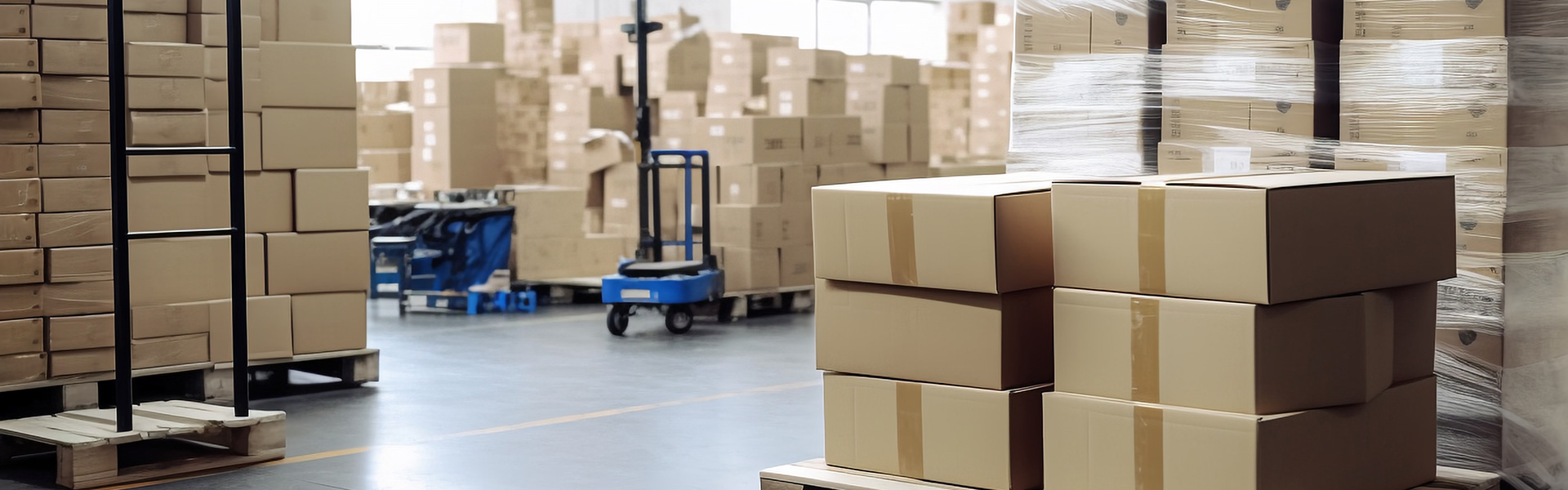
The truck backs into the dock at 6:40 a.m., twenty minutes before the scheduled window opens. Pallets are already staged by lane, shrink-wrapped with labels facing outward. The supplier's warehouse lead walks the driver through the bill of lading while a forklift begins loading the first skids. Nobody is rushing, but there is no idle chat either. Every movement follows a sequence that was confirmed the previous afternoon.
If a carton count comes up short or a trailer seal number does not match, the issue is raised before the doors close. The supplier does not wait for the receiver to discover it days later. Adjustments happen on the spot, with photos and updated paperwork sent to the right contact. By 8:15 a.m. the truck is sealed, checked out, and pulling away while the dock team resets for the next arrival.
That kind of handoff rarely makes headlines. It just means fewer follow-up calls, fewer rejected loads, and a receiving team that can plan the rest of its morning around the schedule instead of around surprises.
Small Contamination Signs That Can Ruin a Pour and How They're Caught
A pour can look perfectly fine while still carrying enough contamination to fail later. The signs are rarely dramatic: a faint swirl of lighter color near the edge, a few tiny bubbles that cling to the side instead of rising, or a slight dull patch where the surface should be glossy. These details are easy to dismiss when the material is moving, but they often point to moisture, old residue, or incompatible dust that got in before or during the mix.
Most of these issues get caught before the pour goes too far by watching how the material behaves rather than just how it looks. A small sample pulled aside might show grit on the spreader, or the flow may hesitate and leave a thin, streaky trail for a second. Some shops also drag a clean spatula through the top and check for faint separation, while others run the batch through a mesh cone if the viscosity seems even slightly off from the previous pour.
In practice, catching the problem comes down to slowing down enough to read the edges and surface. A piece of dried skin from a container lid, a bit of oil from a mixer bearing, or a few grains of coarse filler can hide in plain sight and create a weak bond or a cloudy finish. Once you know what those small signals look like, a questionable pour gets stopped early instead of being found after it has hardened.
Why the Best Pits Adjust Their Process When Your Mix Changes
A mix change rarely shows up as a single clean number. It appears in the way material moves off the belt, the moisture hanging around the fines, or a slight shift in gradation after a loader changes faces. The best pits catch these signals early. Instead of waiting for a failed lab result or a call from the paving crew, they make small moves while the plant is still running: a feed gate opened a little wider, a screen setting bumped, a bin pull shifted before the first truck crosses the scale.
That habit only works because the process is treated as a starting point, not a fixed recipe. When the coarse stock changes shape or the fines begin holding extra water, the same settings can send a completely different mix down the line. Experienced operators know which variables matter for the conditions in front of them. They may shorten the mix time, redirect the loader to another part of the pile, or adjust the cold feed before the problem reaches the drum. The result is quieter running, less waste, and fewer alarms.
Adjusting early also keeps quality control from becoming a guessing game. By the time samples are taken, the blend has already been corrected, so the numbers come back close to what the crew expected to ship. Over time, that builds a different kind of consistency: the mix arrives within target even when the stockpile changes overnight, and the customer stops bracing for surprises.
FAQ
Don't just eyeball the pile. Check the batch ticket against the approved gradation range, squeeze a handful to judge moisture, and if the sand feels sticky or leaves a residue on your hands, reject it before it reaches the hopper.
Natural deposits vary within a pit, so a responsible operation blends material from several extraction points and tests each lot. That keeps passing gradation stable instead of forcing the concrete crew to chase mix adjustments every week.
Effective washing and classification strip out clay and silt. Better operations use hydrocyclones or screw washers and run wash tests regularly, because even a small increase in minus 200 material can wreck slump and finishability.
Inconsistent sand raises water demand, makes slump unpredictable, and leads to cracking, dusting, or rejected cylinders. Those hidden costs usually outweigh any savings from buying cheap fill sand.
Yes. Sand can look bright and still carry too many micro-fines. Ask for a wash loss or gradation report rather than trusting a pile that simply appears clean from a distance.
Ask how they blend, how often they test, what their typical gradation range is, and whether seasonal moisture or pit changes affect output. A supplier that cannot answer clearly will likely cause field problems later.
Poor stockpile management causes segregation, so coarse and fine particles separate. Better sites build piles in layers, load from a belt, and sample at the point of shipment rather than somewhere that flatters the result.
Months of tight gradation do not happen by luck. It takes daily lab checks, disciplined blending, and washing adjustments. A good mine can keep variation narrow enough that site tweaks stay small.
Conclusion
The most dependable sand mining operations treat consistency as a production discipline rather than a lucky byproduct. Long before a loader reaches a construction site, the pit team has already mapped deposit variability, stripped overburden in controlled lifts, and routed raw material to stockpiles based on grain shape, silt content, and gradation. That early separation matters because sand that looks uniform in a pile often behaves differently once it hits a mixer. On every batch, washing plants remove fines, screens sort particle bands, and lab checks confirm moisture, organic content, and clay lumps before trucks are released. This continuous loop catches drift in the deposit before it turns into a field problem, keeping concrete, mortar, and fill within the tolerances a mix design actually needs.
Delivery day reveals whether that control extends beyond the pit. Tight scheduling means trucks arrive in sequence with moisture already accounted for, reducing batching surprises and wasted time on site. Experienced suppliers also know that small contamination signs—roots, shale, coal, or a faint organic stain—can weaken a pour, so they inspect transfer points and loader buckets instead of waiting for a lab failure. When a contractor changes slump, aggregate size, or cement content, the best pits adjust washing intensity, blending ratios, or screen settings immediately rather than shipping the same generic sand. That kind of responsiveness is what separates a supplier from a partner, and it shows up in every cubic yard that reaches the forms.
Contact Us
Contact Person: Nancy
Email: [email protected]
Tel/WhatsApp: (+86) 13869631558
Website: https://www.yakaidredger.com/