
Best First Aid Box Supplier: Essential Tips for Choosing Quality Safety Products
2026-07-09
Finding a reliable first aid box supplier is more than just ticking a safety checklist—it’s about ensuring every kit is ready when seconds count. Whether you're outfitting a bustling office or a quiet school, the quality of your safety products can make all the difference. With Kebon, you’re not just buying supplies; you’re investing in trusted protection that meets real-world demands. But what separates a mediocre kit from one you can depend on? Let’s explore the essentials that turn ordinary first aid into genuine peace of mind.
Understanding What Makes a First Aid Kit Truly Reliable
A reliable first aid kit isn't just a box of bandages—it's built from materials that can withstand the unexpected. Flimsy plastic cases crack under pressure, and fabrics that tear easily turn a minor emergency into a fumbling mess. Look for water-resistant, rip-stop nylon or durable, impact-resistant polymers that keep supplies safe whether you're storing them in a humid garage or tossing them into the back of a pickup. The zippers, latches, and seams need to hold up after repeated use, too. If the container fails the moment you need it most, everything inside becomes irrelevant.
What's inside matters just as much, but simply having a checklist of items doesn't cut it. A truly dependable kit accounts for the specific risks you actually face—whether that's treating deep cuts on a construction site or managing allergic reactions at a family picnic. It includes not just the standard adhesive strips and antiseptic wipes, but also tools like a tourniquet, hemostatic gauze, or an emergency thermal blanket where they make sense. Equally important is that those supplies haven't been sitting untouched for years. Quality kits come with a straightforward way to track expiration dates, so you're not discovering dried-out ointment or dead batteries at the worst possible moment.
Finally, reliability hinges on how quickly and easily you can get to what you need. A well-organized interior with clear, labeled compartments means you won't waste precious seconds rummaging. The best designs use intuitive layouts—trauma supplies at the top, smaller items in clear pouches—so even someone with minimal training can find things. The kit should also be portable enough to grab in a hurry, and if it's meant for a vehicle or outdoor use, it should include mounting options or reflective elements. When you strip away the marketing, real reliability is about trust: the kit does its job without fanfare, because it was designed for the real world, not just the shelf.
How to Spot a Trustworthy Supplier in a Crowded Market
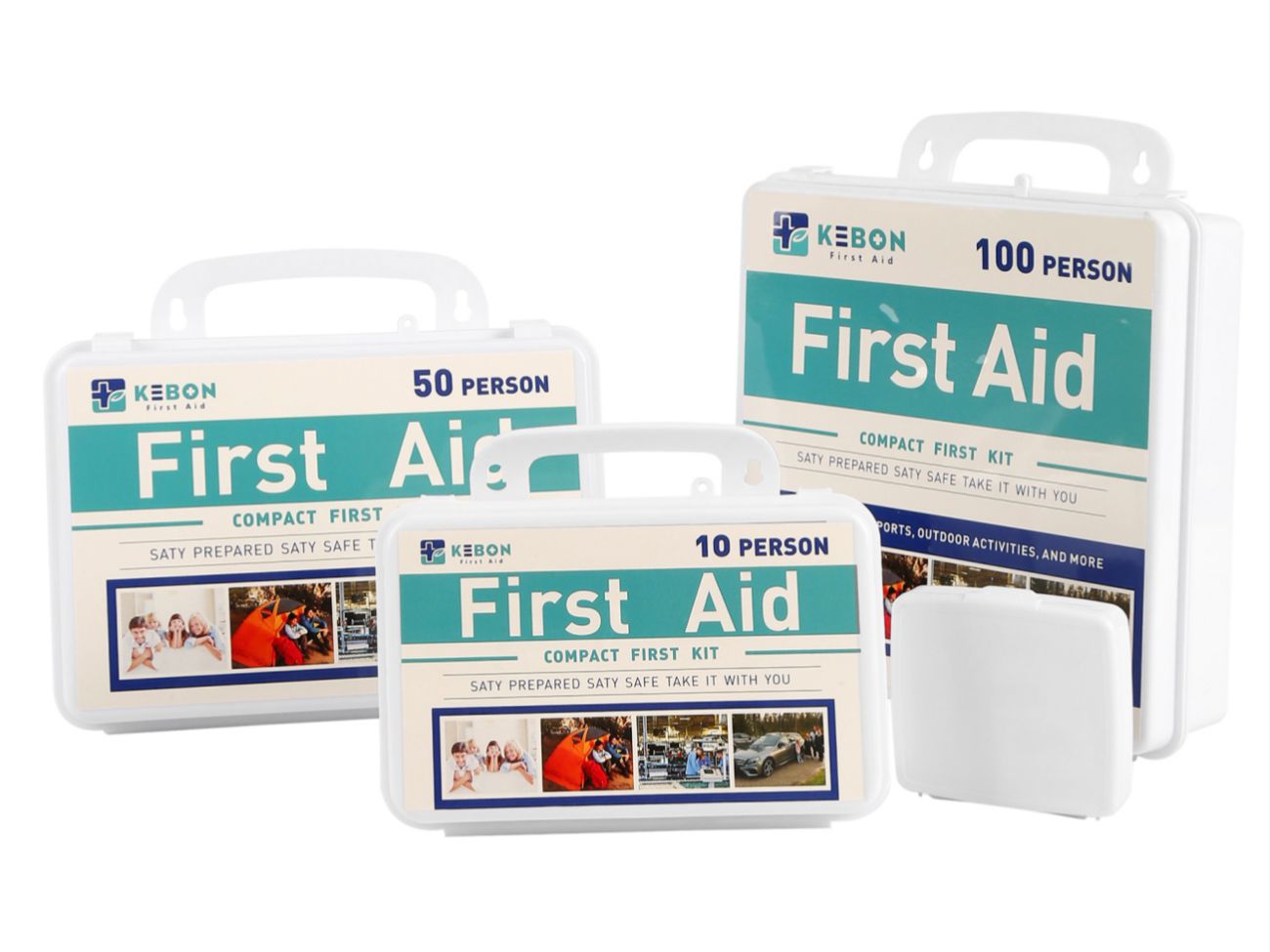
A supplier’s reputation often hides in plain sight—look beyond the polished website and dive into what previous buyers are actually saying. Forums, industry-specific review platforms, and even social media comment sections can reveal consistent patterns of behavior that a company’s sales team won’t advertise. Pay attention to how they handle complaints; a supplier that openly addresses issues and offers solutions is worth far more than one with a perfect but curated rating.
Dig into their logistical backbone before you even think about placing an order. A trustworthy partner should be transparent about lead times, shipping partners, and how they handle delays. Ask for concrete examples of how they’ve managed past supply chain disruptions—real stories, not generic promises. If they’re evasive or can’t provide details, that’s often a sign their operation isn’t as stable as it seems.
The Role of Product Quality in Workplace Safety
When we talk about keeping workers safe, we often focus on training, protocols, and protective gear—but the quality of the products and equipment they use is just as crucial. A poorly made ladder that collapses under normal weight, or a batch of substandard electrical cables that fray after weeks of use, can transform a routine task into a life-threatening incident. Low-quality goods fail unpredictably, and those failures don't just cause production delays; they lead to injuries, chronic health issues, and sometimes fatalities. Companies that prioritize high-quality materials and rigorous manufacturing standards create a silent safety net, preventing accidents before a worker ever has to react.
Consider the hidden risks that emerge when corners are cut. Inferior chemicals in cleaning products can emit toxic fumes in poorly ventilated spaces; cheaply cast machine parts may develop micro-fractures that eventually give way under stress. Even office equipment like chairs and keyboards, when built without ergonomic consideration, contribute to repetitive strain injuries that cost businesses millions in lost hours and workers’ comp claims. The relationship between quality and safety isn't always immediate—it accumulates over time, turning minor flaws into major hazards. That’s why proactive organizations now view procurement not just as a cost center, but as a vital part of their safety strategy.
Building a safer workplace through quality isn’t about buying the most expensive option; it’s about understanding specifications, testing, and long-term performance. It means engaging with suppliers who can demonstrate consistent quality control, and creating feedback loops where employees can report defects without fear of blame. When workers know their tools are reliable, they can focus on doing their jobs well instead of worrying about when something might break. In the end, investing in product quality is less about checking boxes on a safety audit and more about respecting the people who show up every day to get the work done.
Customization: When One Size Doesn't Fit All
In a world overflowing with mass-produced solutions, the quiet truth is that most of us don’t fit the mold. Whether it’s a piece of software that forces rigid workflows, a piece of furniture that doesn’t match the room’s dimensions, or a service package loaded with features you’ll never use, the mismatch can be both frustrating and wasteful. Customization steps in as the thoughtful alternative—an acknowledgment that our needs, preferences, and constraints are uniquely our own. It transforms a generic offering into something that feels personal, almost intuitive, cutting through the noise of “standard” to deliver exactly what’s needed, nothing more, nothing less.
Real customization isn’t simply about checking boxes on an order form; it’s about designing flexibility into the core of a product or service. This means listening carefully to the subtle cues that users give—their workarounds, their complaints, their wish lists—and using those insights to build adaptable systems. When done well, the result doesn’t shout “custom-made” but instead feels effortlessly right, as if it was always supposed to be that way. It respects the user’s intelligence, giving them agency without overwhelming them with complexity, and in doing so, fosters a quiet loyalty that no amount of generic marketing can replicate.
The beauty of abandoning the one-size-fits-all mindset lies in its ripple effects. For businesses, it means fewer returns, higher satisfaction, and a deeper connection with clients. For individuals, it means less time spent battling mismatched tools and more time doing what actually matters. Customization, at its best, isn’t a luxury—it’s a practical recognition that diversity is the norm, not the exception. And when we embrace that, the things we create and use stop being mere commodities and start becoming trusted partners in our daily lives.
Smart Spending: Balancing Cost and Value
Chasing the lowest price tag often leads to false savings. A cheap pair of shoes that falls apart in three months costs more over time than a well-made alternative at twice the price. Smart spending means evaluating the full lifespan of a purchase—factoring in durability, maintenance, and even the joy it brings. Value isn’t just about function; it’s about how long something stays relevant and satisfying in your life.
Another overlooked dimension is the hidden cost of time and energy. Spending hours hunting for a marginal discount or constantly replacing subpar items erodes your most finite resource. Allocating a bit more toward quality can free up mental space and reduce decision fatigue. When you shift from a scarcity mindset to one of careful abundance, your spending begins to reflect what you truly value rather than a fear of overpaying.
True balance emerges when you deliberately choose where to splurge and where to scale back. Not every category deserves a premium. Identify the handful of areas—maybe your daily coffee ritual, a reliable laptop, or the shoes you wear every day—where spending more yields disproportionate satisfaction. In other places, a generic option works just fine. The skill lies in recognizing that value is personal, not universal, and curating your spending to match your unique priorities.
Real Stories: What Other Buyers Want You to Know
When I first started shopping, I figured online reviews were mostly exaggerated. But now that I'm on the other side, I get it. One buyer told me she was genuinely shocked by how clever the storage design was—she'd been using the wrong kind of product for years and never realized how much easier this one made her mornings. Another mentioned they almost bought a cheaper version elsewhere, but the material quality here was immediately noticeable, and they wished someone had just told them upfront that the extra cost really does pay off in daily use.
The stories that stuck with me were from people who took a while to commit. One guy held off for months, doubting if it would really hold up to his messy routines. He finally caved after borrowing a friend's for a weekend—and now he says it's the one thing he'd recommend without hesitation to anyone who asks, even if they don't end up buying it. Those are the kinds of endorsements that don't feel fake, because they come from a place of surprise and relief.
I think the thing most buyers want you to know is that the little details matter way more than you'd expect. It's the packaging that gives you that new-phone-day feeling, the unboxing that actually makes you smile, and a design thoughtful enough you don't have to wrestle with it every time. One lady said she'd bought three as gifts, and every single person sent her a follow-up message weeks later just to say the product had quietly become part of their everyday life—no hype, just function. That's what you're really buying into.
FAQ
Focus on suppliers that clearly list product certifications and use durable materials. Check if the contents meet ANSI or OSHA standards, and read customer reviews to gauge reliability over time.
Assess your specific risks—office environments might need basic supplies, while construction sites require trauma gear. A good supplier will offer kits tailored to different settings, not just one-size-fits-all.
Reputable suppliers often have consistent stock levels and transparent sourcing. You don’t want to discover missing items during an emergency. Look for those with a track record of fast shipping and responsive customer service.
Vague product descriptions, missing expiration dates, and no clear return policy are warning signs. Also, if they avoid answering questions about compliance or components, look elsewhere.
A sturdy, dustproof, and water-resistant case is a must. It should have organized compartments so items are easy to find. Portability features like handles or wall mounts are a bonus.
Quality suppliers will remind you about expiration dates and offer replacement services. Ideally, you should check your kit quarterly, but a supplier that provides expiration tracking tools is more valuable.
Pre-assembled kits save time and ensure compliance if from a trusted supplier. However, a flexible supplier will let you customize kits to match your unique hazards without pushing unnecessary items.
Look for FDA approval for medical contents, ISO certifications for manufacturing quality, and OSHA compliance for workplace kits. A supplier confident in their products will show these readily.
Conclusion
Selecting the right first aid box supplier demands more than just browsing a catalog; it requires a keen understanding of what makes a kit truly dependable in critical moments. A trustworthy kit isn’t just a collection of items—it’s a meticulously designed system where every bandage, antiseptic, and tool meets rigorous quality standards and is suited for the specific risks of your environment. When evaluating suppliers, look past flashy marketing and examine their track record, certifications, and commitment to product integrity. The best suppliers don’t just sell boxes; they partner with you to ensure your workplace is prepared for anything.
Quality and customization go hand in hand, as a one-size-fits-all approach rarely suffices. A reliable supplier will help you tailor kits to your industry’s unique hazards, whether it’s a construction site, office, or restaurant. They balance cost-effectiveness with unwavering quality, avoiding cheap components that could fail when needed most. Real feedback from other buyers can reveal crucial insights—like how well a supplier handles restocking, expiration tracking, or emergency responsiveness. Ultimately, choosing a first aid box supplier is an investment in safety culture, and the right decision comes from seeing the whole picture: product excellence, adaptability, and genuine care for your well-being.
Contact Us
Contact Person: Andy Yu
Email: [email protected]
Tel/WhatsApp: +86 19858933676
Website: https://www.kebonfirstaid.com